


The Importance of a Good Transition
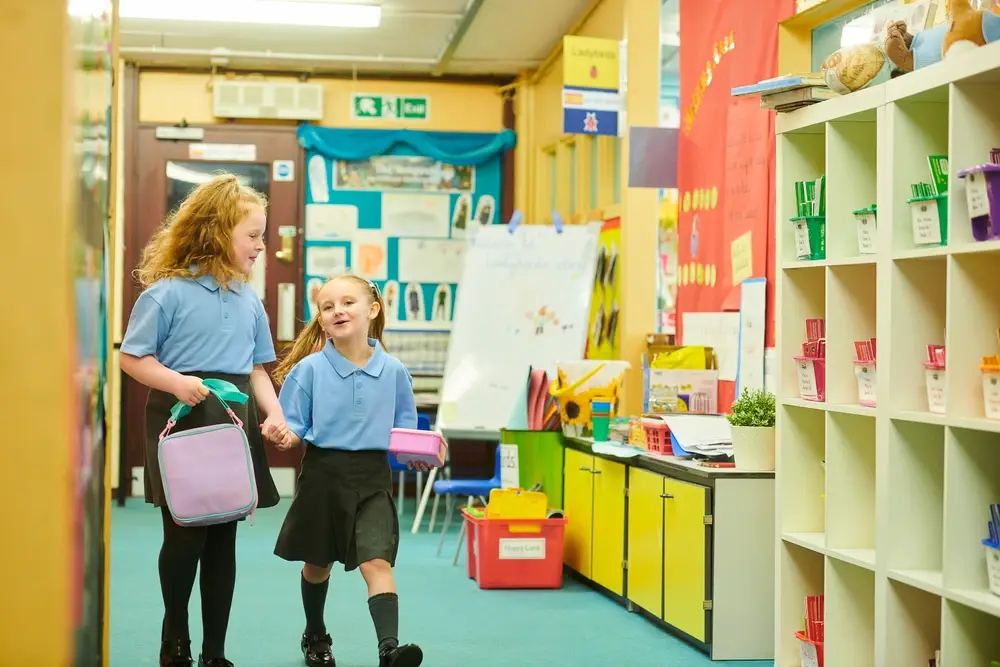
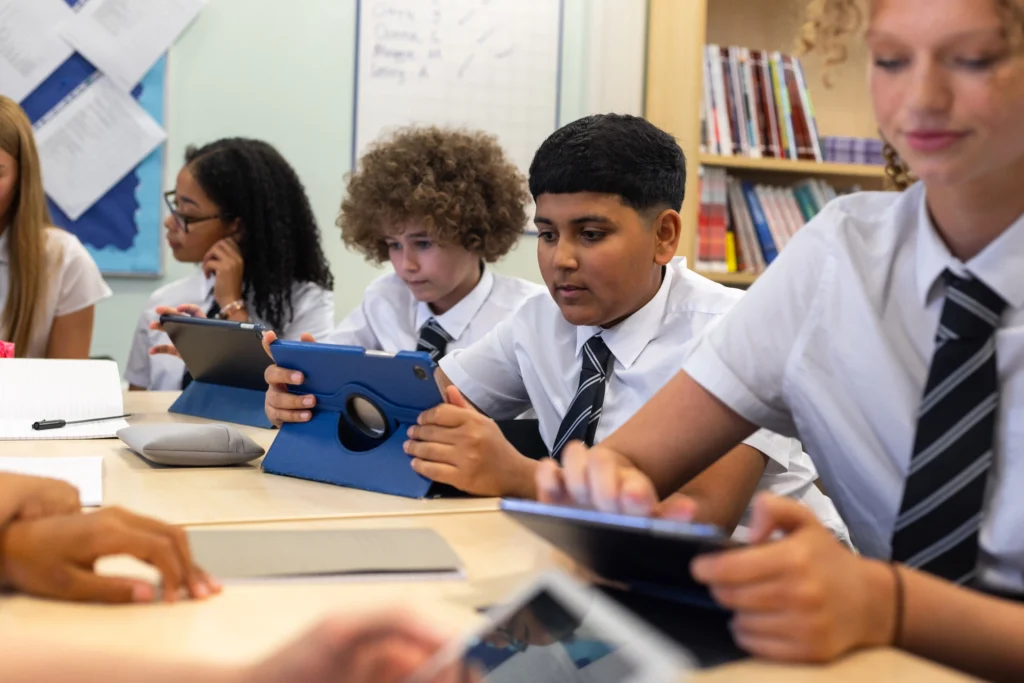
Transition can be a tricky time for children. In 2023, the Donaldson Review into wellbeing at primary to secondary transition found that transitions are more successful when they:
- Begin before pupils move schools.
- Continue into Year 7.
- Involve families.
- Address emotional resilience as well as the practical aspects of transition.
A good transition can mean the difference between floundering and flourishing. As such it is crucial to get it right.
Most research into transition focuses on the move from primary to secondary settings, however thinking about transition is key in all year groups. Transition puts enormous demands on to children – socially, linguistically, emotionally, academically and practically. Some children will inevitably find transition more difficult than others, however this can be mitigated. Whether children are moving between year groups at the same school, or moving to another setting entirely, transition needs to be a top priority. So, what can we do to make transition work?
1) Build up a dialogue between colleagues
In my view, the biggest factor in whether a transition process will be successful is communication between colleagues. Unfortunately, sometimes the dialogue is brief or non-existent. A good transition process requires time and commitment from both sides. Done well, a transition can strengthen and support learning and wellbeing, whereas a rushed, surface-level transition can end up focusing just on the headline news, without considering what can be put in place to support children fully. Taking the time and making the effort to develop a dialogue with colleagues can make all the difference when securing transition.
2) Promote relationship-building
Just as colleagues need to build up dialogue and relationships, so too do children with both their peers and adults alike. Building a relationship with their new teacher(s) is crucial, not only practically but also in terms of building rapport and encouraging them to feel secure about the next stage in their education. However, children often cite worries about friendship as overriding other worries during transition, so it is also important to support friendship-making when children are moving schools or settings. Parents can also be forgotten when it comes to transition and building relationships with them is also key.
However you choose to support relationship-building, what is important is that children feel anchored when they move to their new setting, whether that is through knowing a member of staff or having a friendship group in place.
3) Focus on children feeling safe and secure
Transition means change and whilst becoming resilient and being able to cope with change is a key life skill, we need to be mindful about children’s wellbeing. Children starting school may experience separation anxiety from their parent or carer. For some, a new school may simply bring too much change at once. For a child moving to secondary, the number of people and the size of the school site may be overwhelming. Children need to know that they are going to be safe and secure in their new class or setting, even if they do have worries or anxieties when they first start.
Evidently, the first step to children feeling safe and secure is building those relationships as discussed previously. Children need to have a safe space and know that they have someone who is looking out for them, whether that is a member or staff or a friend.
Routines and ways of learning are also a key component of security. For the EYFS to Year 1 transition, the importance of play cannot be underestimated. Whereas EYFS is focused on provision and learning through play, learning can become more formal in KS1. The difference between play-led learning and teacher-led learning can be stark and children need time to transition between the two. We need to think carefully about how to incorporate play and provision into Year 1 practice and beyond. This could be by continuing continuous provision throughout the key stage, or by gradually reducing the time spent in provision across time. For more ideas on how to support the transition between EYFS and KS1 please watch the recording of our free webinar. Whichever way you choose to do it, the important thing is that children still have access to play, both in Year 1 and higher up the school. By prioritising play and making links between ways of learning, we can ensure that all children have a successful transition onwards.
There are of course also practical considerations to feeling safe. Do children know how to find the office? Do they know their way to school? Do they know what to do if there’s a problem? Do they know where they can go if they do not feel safe? A virtual tour or film is still a wonderful way of supporting transition, especially for children who are changing schools as well as year groups.
Above all though, talking about transition with children is key. Children need to know that sharing their worries, fears or excitement is valued. One way to encourage an open discussion about transition, whichever year group, is to use texts that feature transition as a major or minor theme. Some of our favourite texts that focus on transition include:
| Starting School by Janet and Allan Ahlberg (for starting school) | 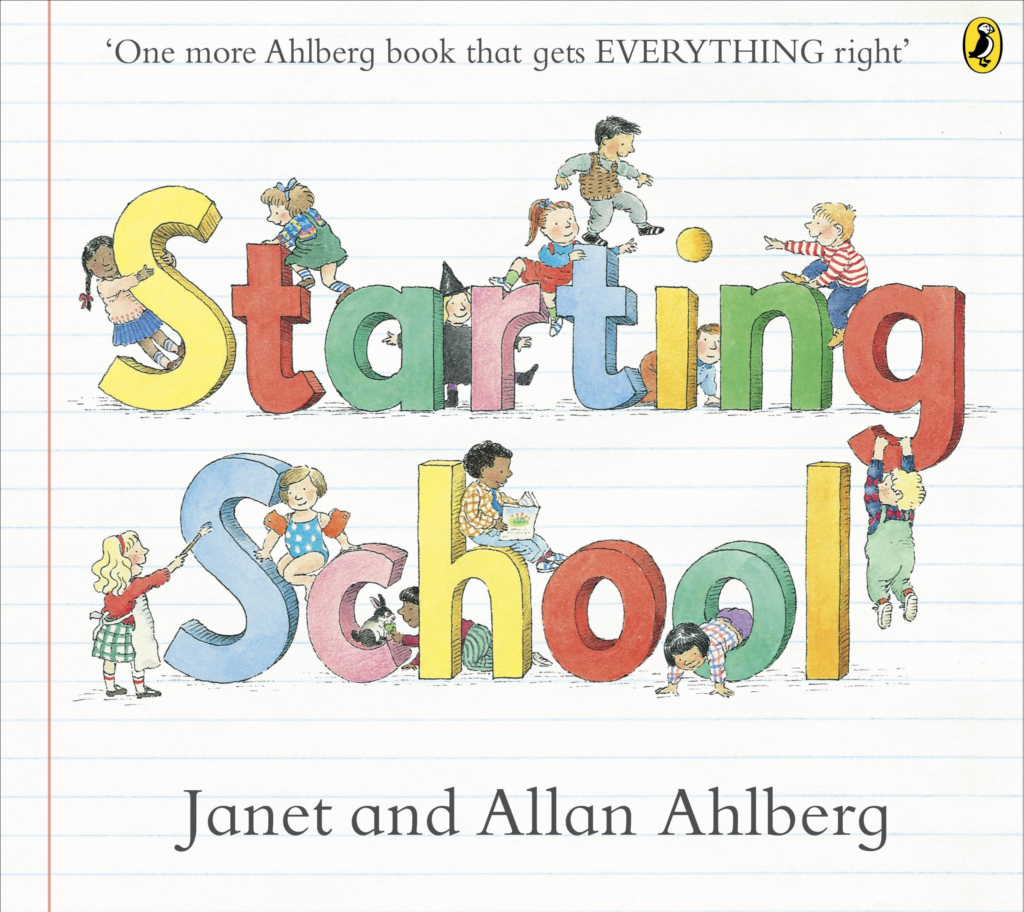 |
| The Friendship Bench by Wendy Meddor and Daniel Egnéus (for starting school) | 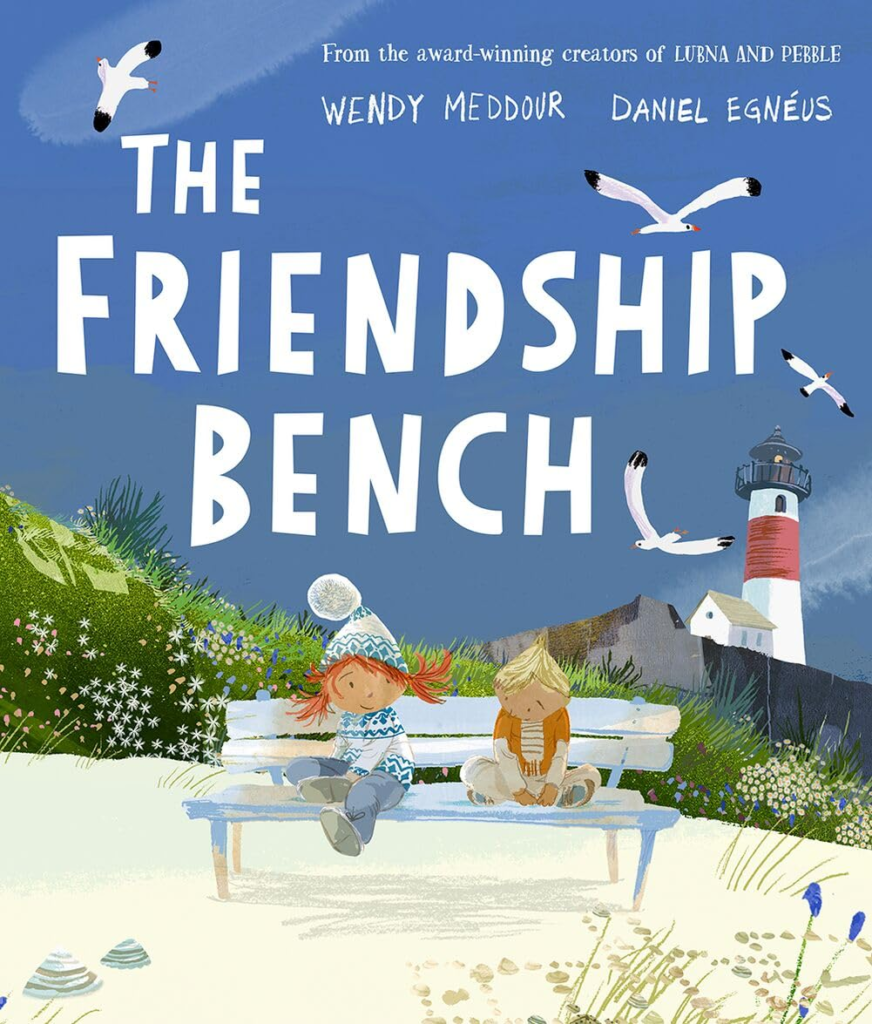 |
| When a Dragon Goes to School by Caryl Hart and Rosalind Beardshaw (for starting school) | 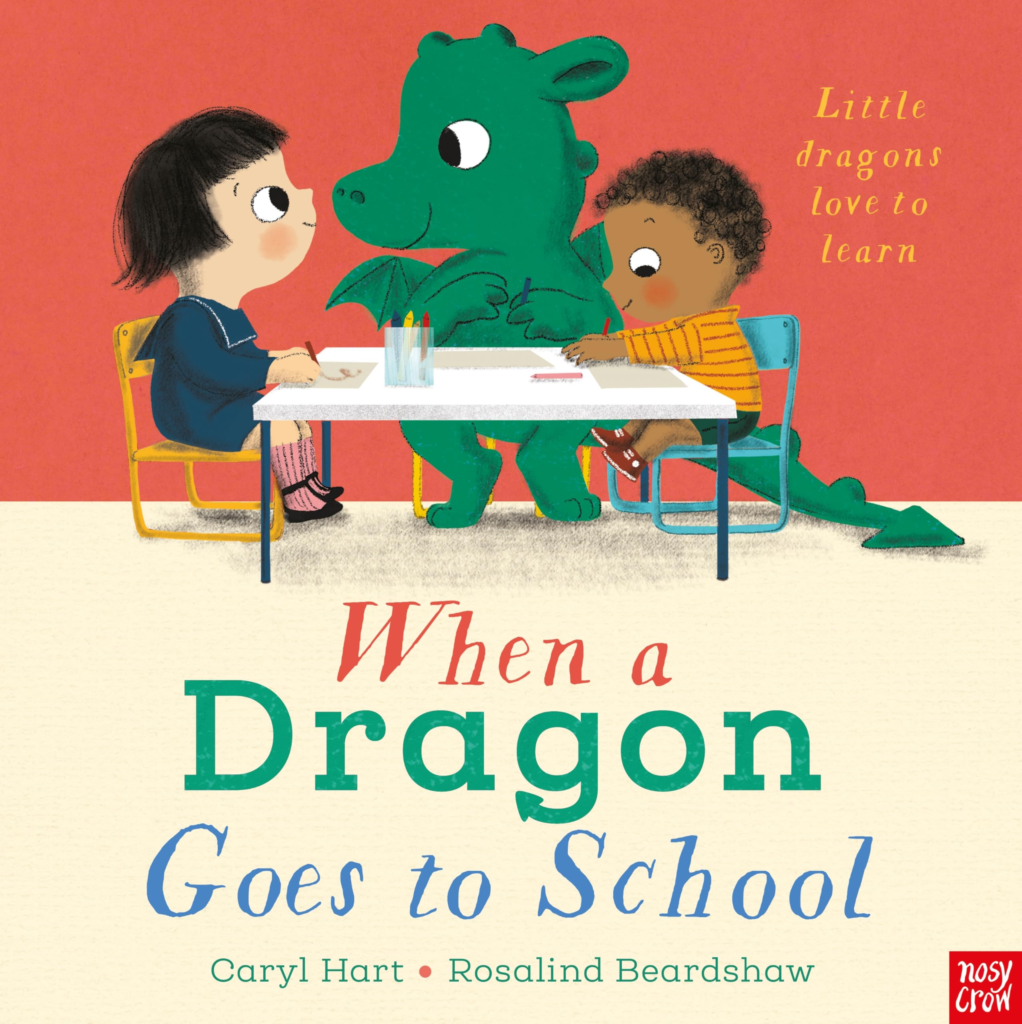 |
| Twig by Aura Parker (for transition between EYFS and Year 1) | 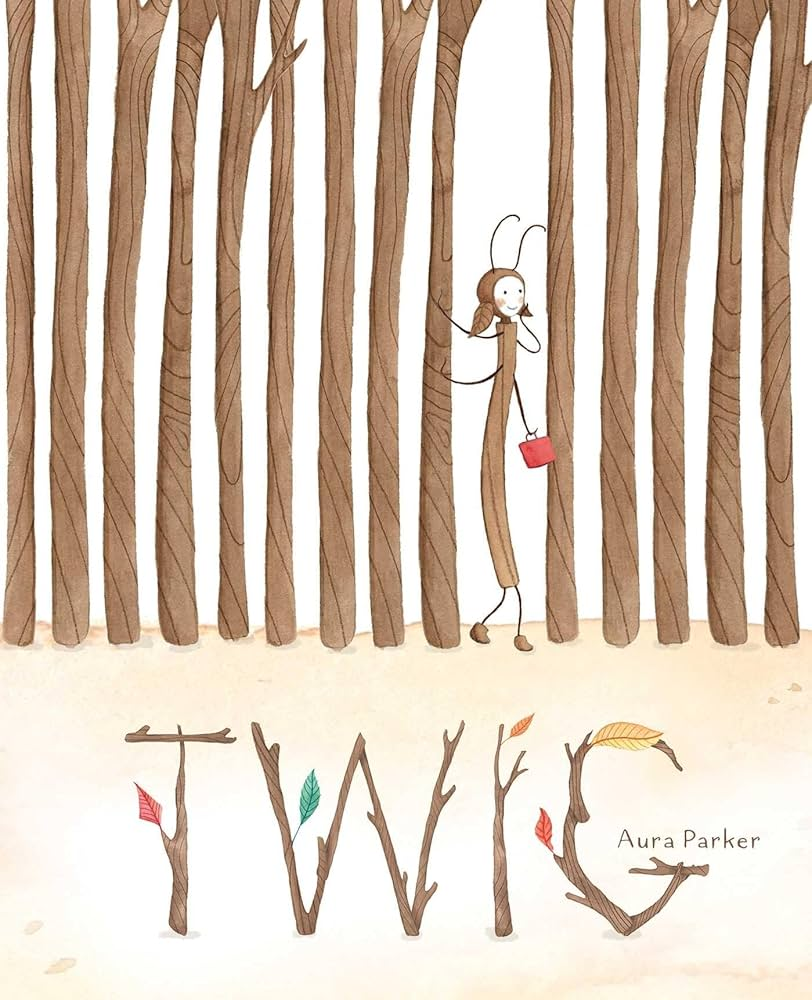 |
| Mooncat and Me by Lydia Corry (for transition In KS1) | 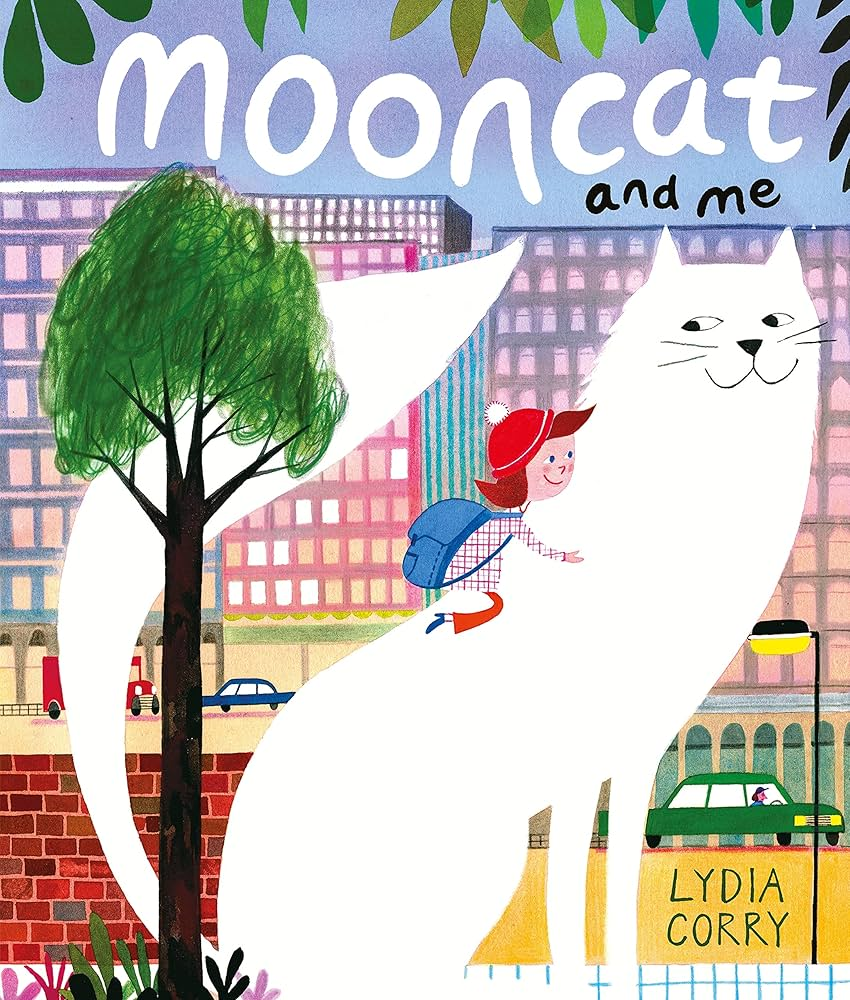 |
| Dear Teacher by Amy Husband (for transition between Year 2 and Year 3) | 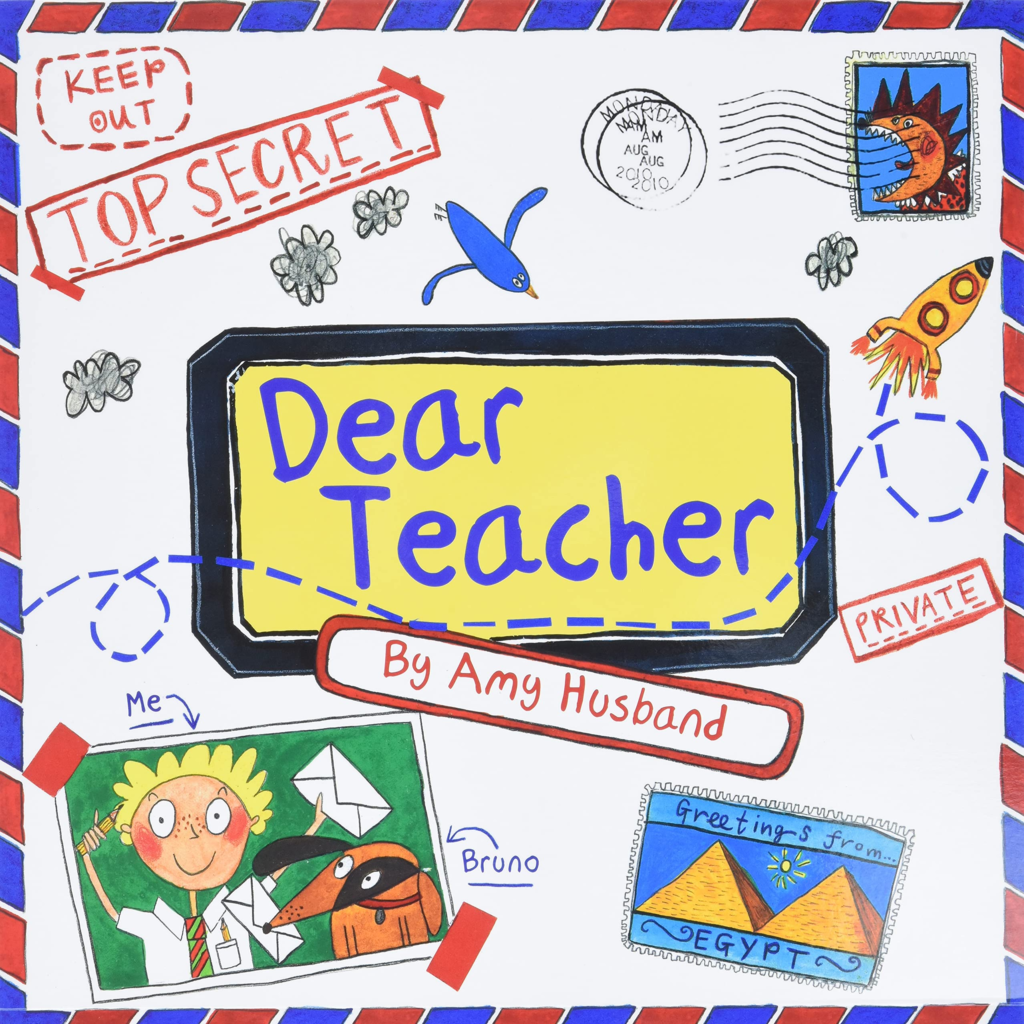 |
| Can You See Me? by Libby Scott and Rebecca Westcott (for transition between Year 6 and Year 7) | 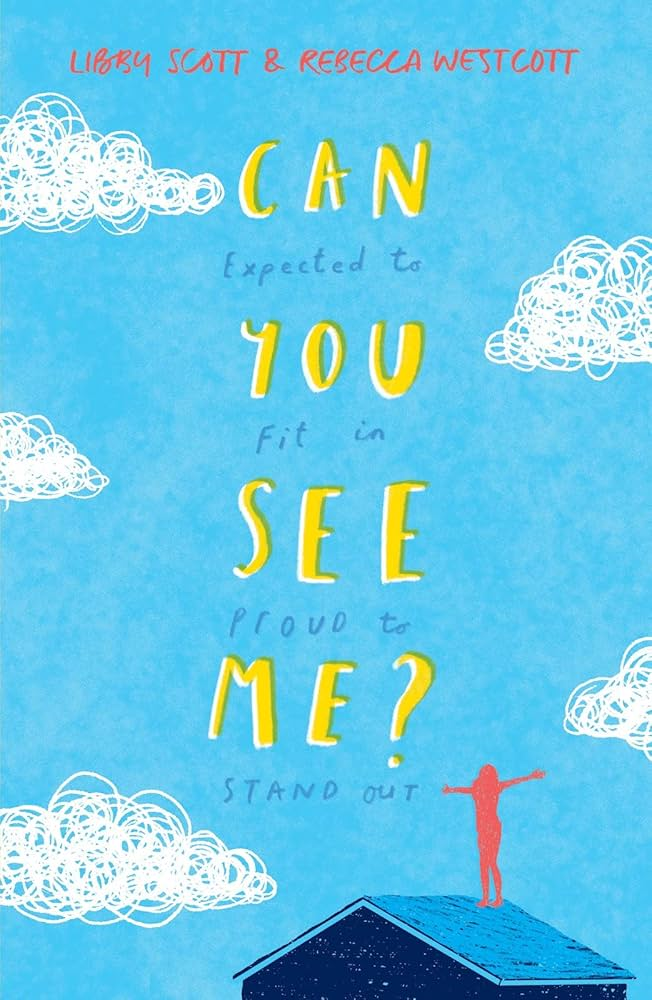 |
| On the Wall by Anne Fine (for transition between Year 6 and Year 7) | 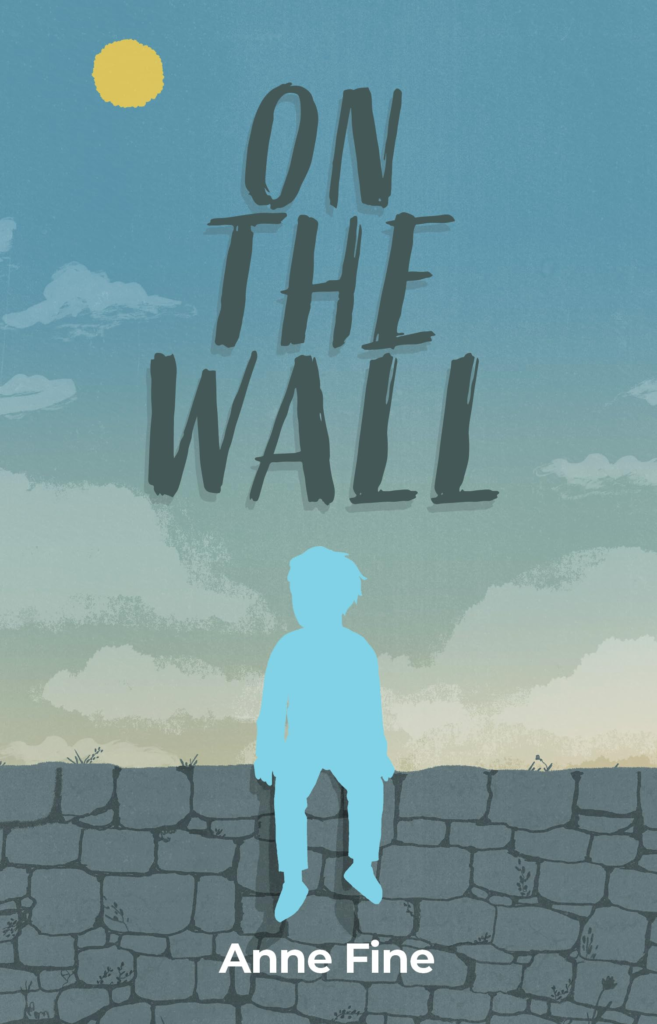 |
Sharing a good text such as these can encourage children to share their thoughts and feelings, whilst also showing them a way through transition and an understanding that everything will be alright, even if it is harder for a little while.
4) Make connections
One of the simplest ways to encourage a good transition is through making connections between classes and settings. This can simply be through building relationships as we discussed previously, or through a specific transition project. Having a transition project can support children to feel safe and secure, providing a link between the certainty of their existing class and the brave new world of their new one. Whilst transition projects can come in all shapes and sizes and be focused on a myriad of subjects and topics, books and reading are always a good place to begin.
Reading for pleasure is crucial and can be an excellent focus for transition. Engaging in projects which showcase what children enjoy, or do not enjoy, to read, not only helps build connections and relationships, but also provides valuable contextual information to a child’s next setting. There are a wealth of possible reading for pleasure focused projects to work on with your pupils:
- Children could engage in a ‘Book in a Box’ project, where they showcase their favourite book by building a book diorama.
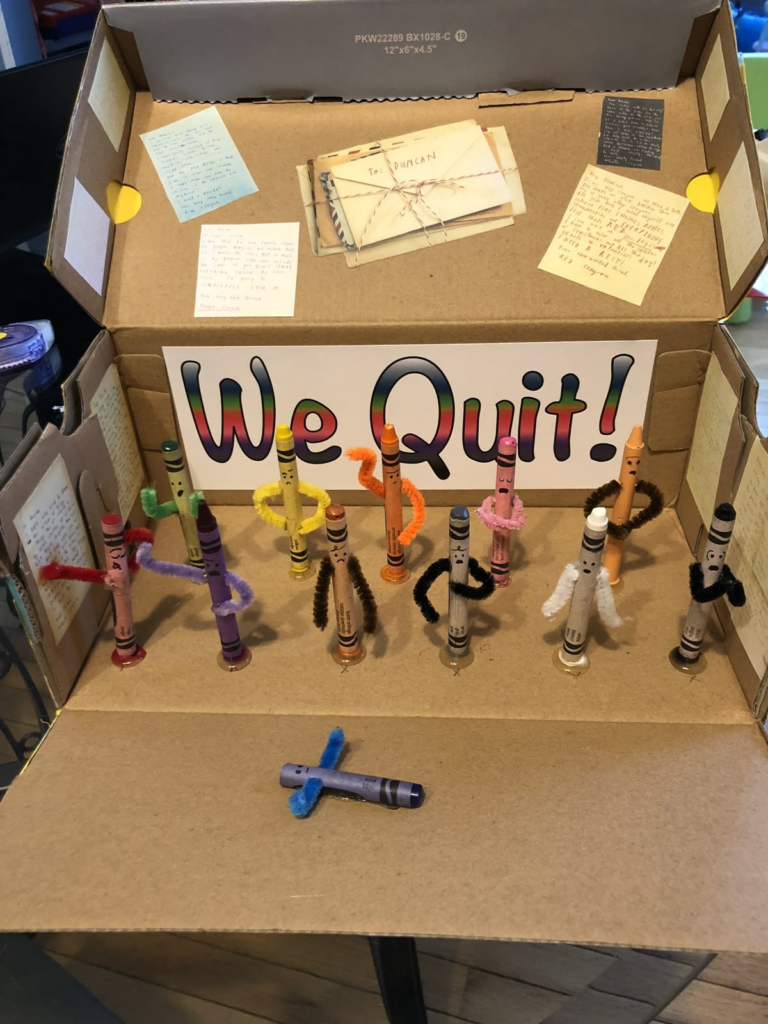
- They could create a ‘Me as a Reader’ or ‘My Reading Identity’ poster, explaining what they enjoy and not about books or perhaps ‘My History of Books’ where they explore the different books that have made them a reader.
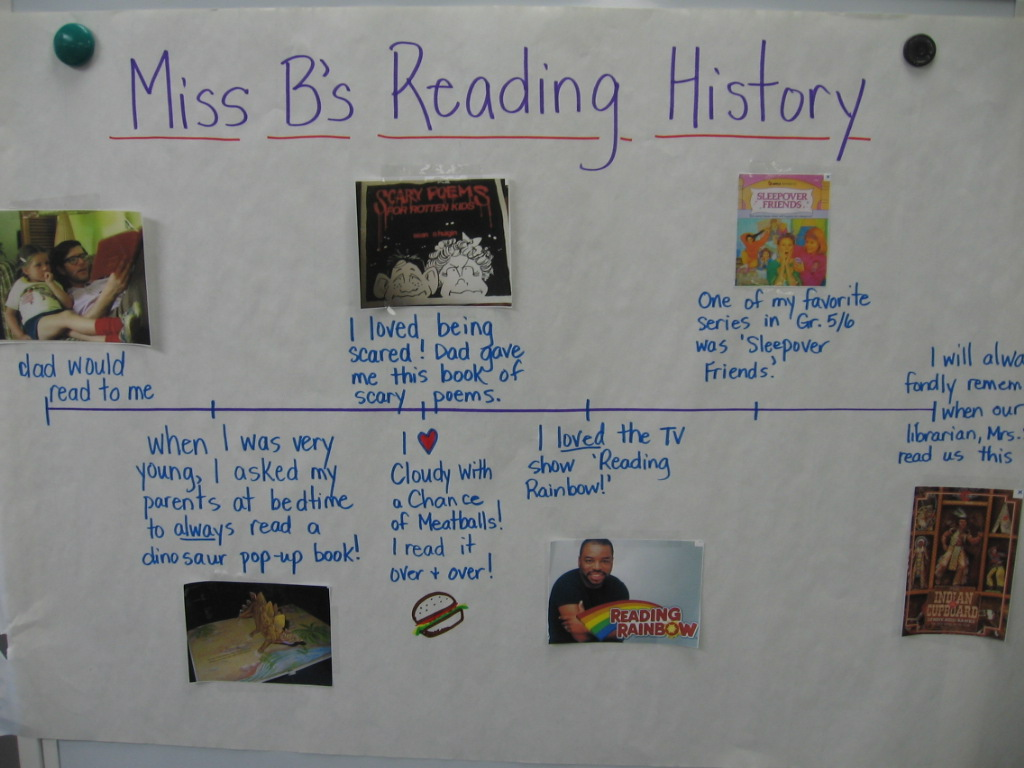
- ‘Reading Rivers’ are another great way for children to communicate their reading choices, either individually or as a whole class.
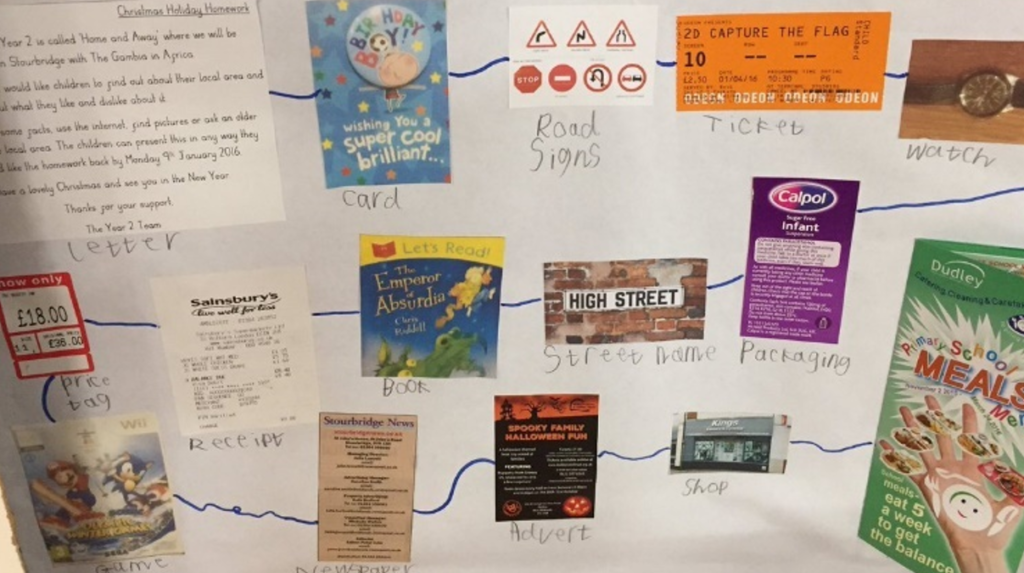
Through the dialogue you build with colleagues, you could also find out about which books or topics are going to be used in a child’s new class or setting during Autumn term. You can then use this knowledge to bridge the gap, perhaps using texts on a similar theme; by the same author or to support building cultural capital. Exploring linked texts also has the added benefit of exposing children to some of the new academic and subject-specific language they will encounter going forward. You could use the texts as an opportunity to create work which children take with them when they transition to their new setting, or simply just read them for pleasure, on the way exposing children to the new ideas and concepts they will encounter ahead.
For example, for Year 6-7 transition, if the children’s secondary setting were going to be focusing on Al Capone Does My Shirts by Gennifer Choldenko, whilst still in Year 6 they could use linked theme texts to build background knowledge about Al Capone, the 1920s and Alcatraz.
| Year 6 Transition Texts to Explore | Year 7 Planned Text for English |
 |  |
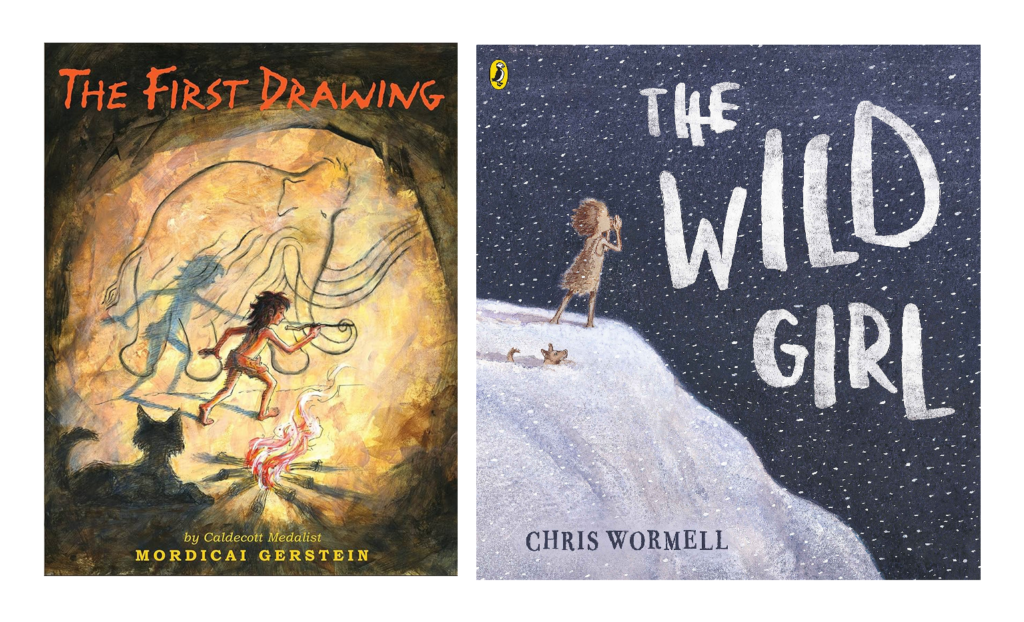
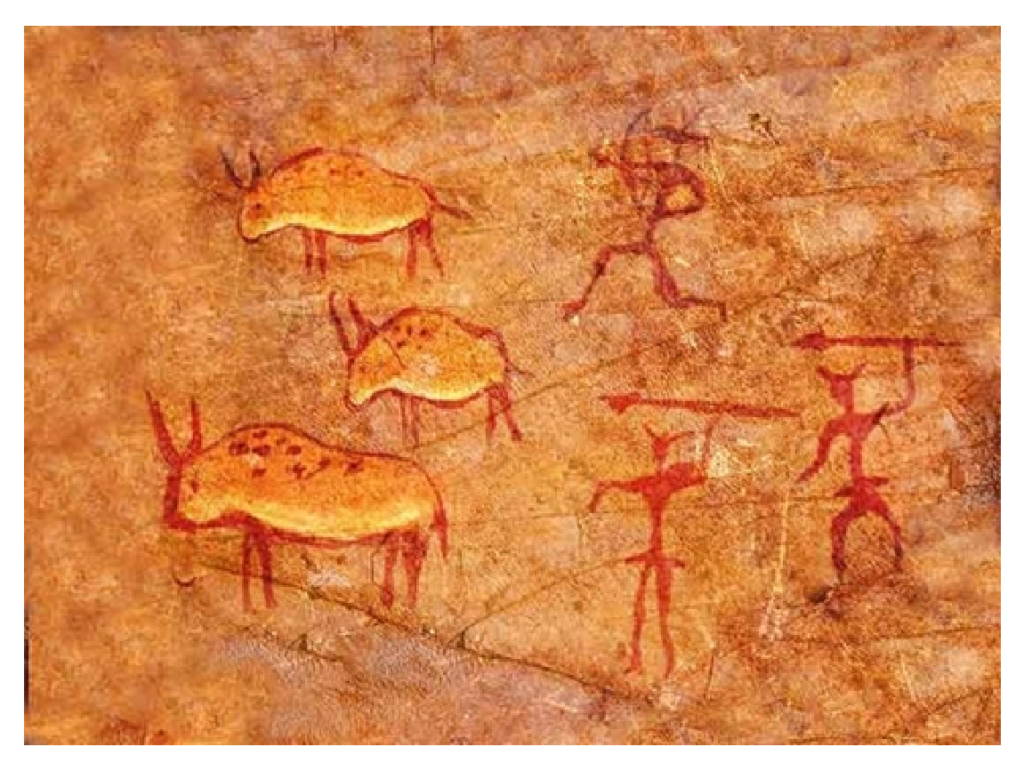
Likewise, if you know children in Year 3 are going to be focusing on the Stone Age in History during the Autumn, you could read The First Drawing by Mordicai Gerstein or The Wild Girl by Chris Wormell with Year 2 to support background knowledge and thinking. Knowing something about what they will be learning will support children’s confidence and security once they move to their new class or setting.
| Year 2 Transition Texts to Explore | Year 3 Planned Focus for History |
 |  |
You could even choose to read the same text between classes or settings, with one half being read in a child’s current setting and the other half in their next setting. The transition focused texts linked above could be used to facilitate this.
Whichever way you make connections, keeping the dialogue going between colleagues is crucial. The project will only bear fruit if both sides are involved, even if that is just making the effort to talk with children about the project or ask them whether they can make any links between their new setting and work, and that of their previous one.
5) Involve families
Transition can also be a worrying time for parents and carers. Indeed, often it is the adults who worry more about transition than the children. Unsurprisingly, Blatchford et al (2008, Effective Pre-school, Primary and Secondary Education 3-14 Project (EPPSE 3-14) What Makes a Successful Transition from Primary to Secondary School? IOE) found that “The extent and quality of communication amongst … schools and families has shown to impact considerably in successful transition.”
Blatchford et al (2008, p.34) also asked parents what primary schools could do better with regards to transition. Although this study was focused on primary to secondary transition, its findings are applicable across school.
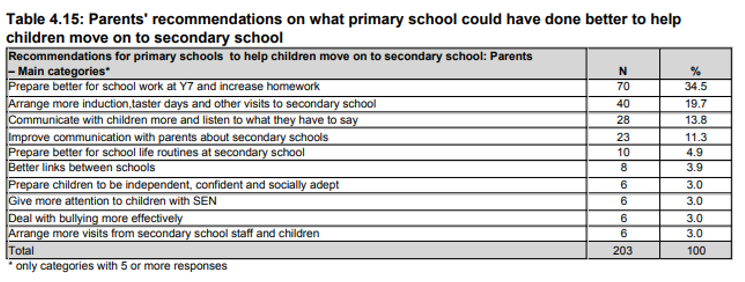
Building on this, an NFER research study (Sharp et al, 2006, Making a Successful Transition to Year 1, NFER Practical Research for Rducation, 35, pp. 20–27) found similar evidence, this time with parents of children joining Year 1 from Reception:
“Most parents said they would have liked to have received more information about the transition, because it would have helped them to prepare their child for the move to year 1. One mother said: I think maybe [the school could have sent] a note out to parents saying, ‘This is what we are planning to do this year, and this is how it will affect your child, this is what our expectations will be.’ The information that parents said they would have found most useful included:
• the type and level of work that their child would be doing
• the learning expectations of year 1 teachers
• any changes in their child’s daily routine.”
It is important to involve families in all transition processes, regardless of the year group, so that everyone feels valued. Schools often run transition meetings for parents at the end of key stages, however it is just as valuable for parents whose children are moving between year groups in the same school. Having a sense of continuity is key. Do families know who to speak with if something is troubling them? Have they been introduced to new routines and expectations as well as the children? Do they know about what is planned? Rather than just sharing what children are learning about at the beginning of the year, why not share this ahead of time? Just as making connections is important for children, we must also remember they are important for families too.
6) Keep in contact
It would be a mistake to think that transition is completed once children have gone to their new year group, class or setting. For instance, in many schools, the first few weeks of September see many Year 7 pupils return to their primary setting to say hello to the staff, however this inevitably tails off. Good transition continues past this point and depends on ongoing contact. By taking the time to keep those lines of communication open between colleagues, relationships and connections are strengthened. By finding out how your past pupils are coping in their new setting or class, you can use this to continually review and further strengthen your transition approaches for the years ahead.
Our Literacy Team can support you with developing your own approaches to a good transition, including setting up bespoke projects for literacy focused transition. Please email laura.buczko@oneeducation.co.uk for more information.