











Precision Teaching
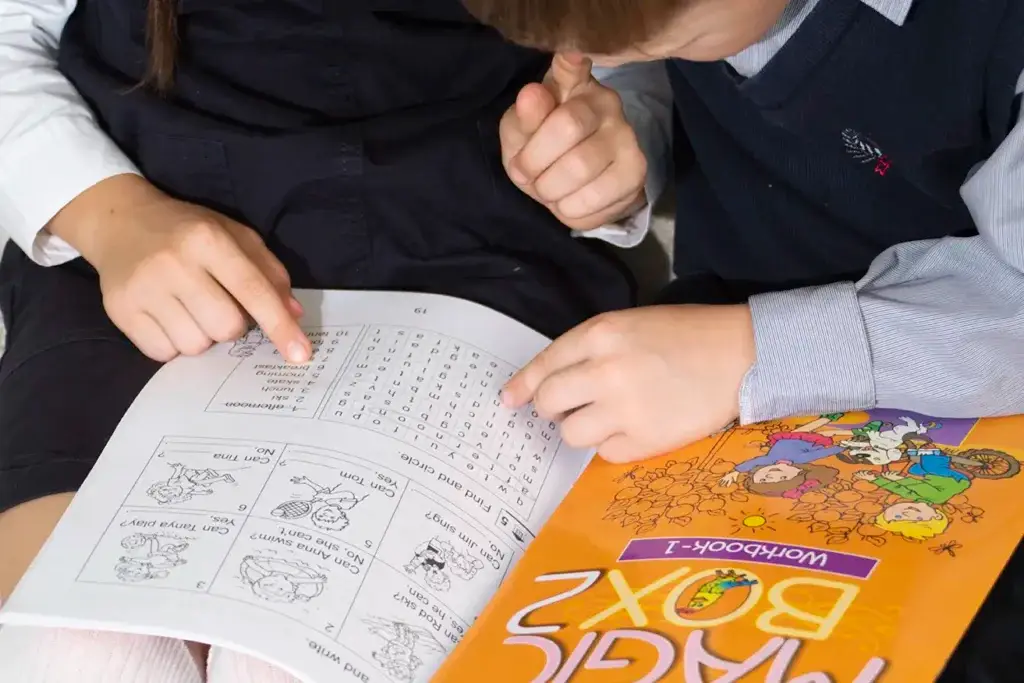
Precision teaching is a structured teaching method that’s designed to improve the accuracy and fluency of reading, spelling and maths (however can be used in other subject areas).
PERMA
The PERMA model was originally developed by Martin Seligman in 2011; a 5-strand model for happiness and well-being which can be applied to help us thrive and flourish. It allows adults
working with young people to support wellbeing by focussing on strengths rather than difficulties.
Paired Reading
Paired reading is an effective, evidence-based method of helping children progress in their reading. This intervention can be used with a child of any age to improve their reading fluency and comprehension skills. It involves a combination of reading together and the child reading independently.
PACE approach
PACE is an open and engaged approach for children who have experienced trauma, designed to promote safety, develop trust and enhance understanding and regulation of emotions.
Metacognitive strategies
Metacognition approaches to teaching aim to support pupils to think about their own learning and the learning process; teaching them strategies for planning, monitoring and evaluating their learning. Many have described this as “thinking about thinking” or “learning to learn”.
Key adult
Key relationships can and do make a difference! A key adult can support children with attachment difficulties to develop trusting relationships and act as a safe base or an ‘Additional Attachment Figure’ in school. These adults can provide for opportunities for adaptation and recovery for children in the context of consistent, ‘good enough’ relationships.
Intensive Interaction
Intensive Interaction was originally developed by Melanie Nind along with Dave Hewett. It helps children and adults who are at the early stages of communication of developing social and
communication skills.
Growth mindset
A growth mindset is a term developed by Carol Dweck in her studies of human motivation. A growth mindset is defined as believing that your abilities and talents can be developed through dedication and hard work and that struggles help us to become better learners.
Executive Functioning
What is Executive Functioning? The term executive functioning describes a set of cognitive skills which help humans to regulate their behaviour, moderate their interactions with others, learn and generally ‘function’ during daily tasks.
Emotion Coaching
Emotion Coaching is an approach which enables children to manage their behaviour by supporting them to understand their different emotions. It is based on the principle that nurturing
and emotionally supportive relationships promote children’s outcomes and resilience.