


Art therapy can be a valuable resource for children from a wide range of backgrounds. As an art therapist, I feel privileged to work alongside young people and families living within Special Guardianship arrangements (SGO). Every family has its own story, but many have experienced loss, change and complexity within relationships.
Special Guardianship placements are often created from within a child’s existing network — with grandparents, relatives or close family friends stepping into parenting roles they may never have expected. I have been continually struck by the commitment and love carers bring, often alongside their own feelings of grief, uncertainty and adjustment. These families are navigating complex relationships, histories and emotions, whilst trying to create a sense of stability and belonging for a young person.
Alongside these challenges, young people are still children and young people who want to play, create, imagine, laugh and explore. Art therapy allows for this creative freedom, whilst the relationship and the creative process grow alongside one another. The art isn’t something that comes after the relationship; it is part of how the relationship develops.
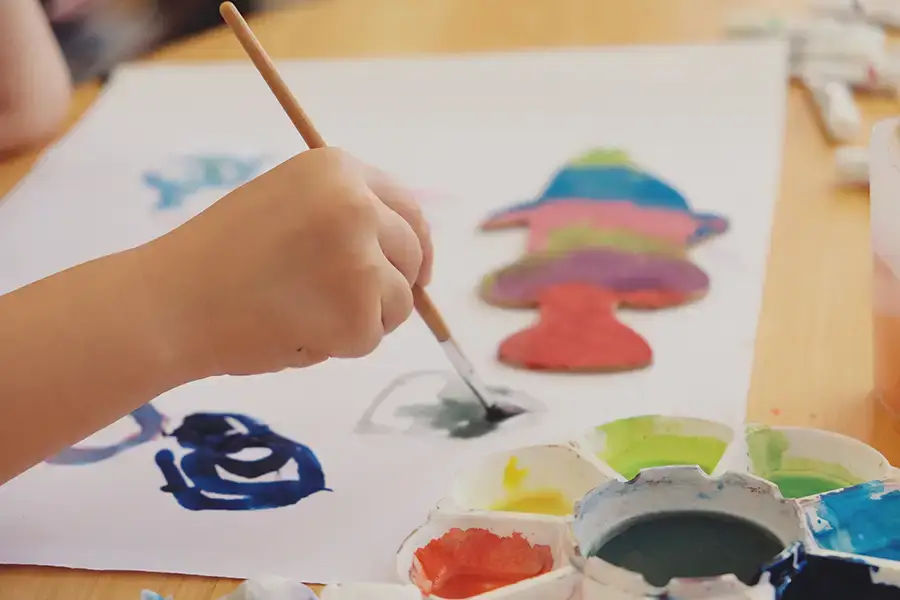
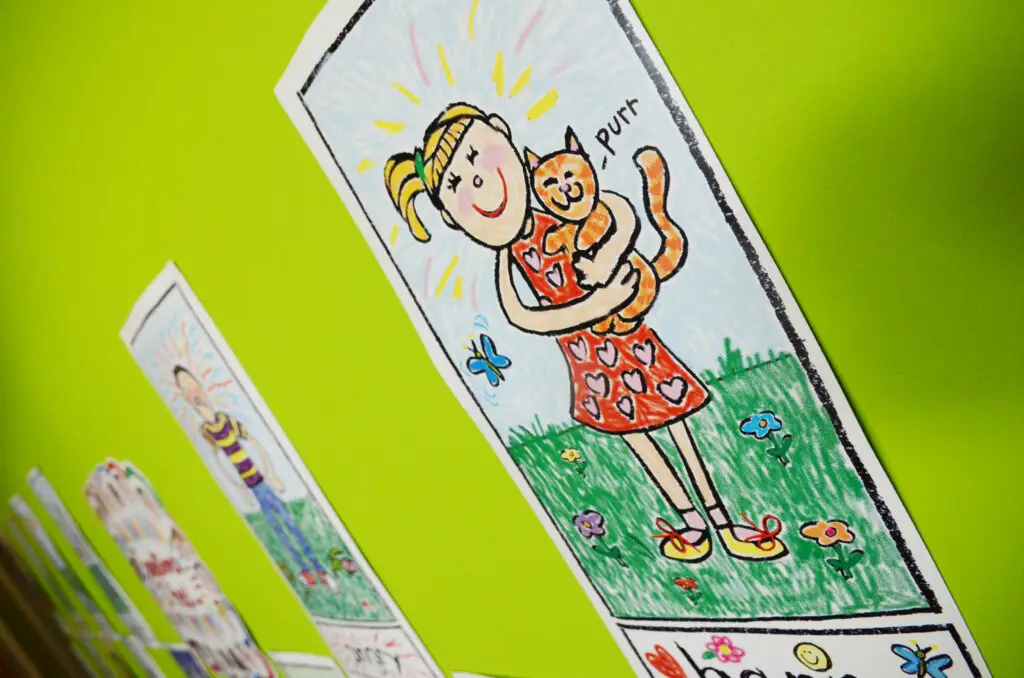
From the very first session, we usually create. We might paint, draw, experiment with clay, make collages or explore different materials. The art gives us something to share before there is any expectation to explain, analyse or make sense of experiences. It offers another way of communicating and allows us to get to know one another through creating together.
Sometimes there is more creating, sometimes more talking, and quite often it is a mixture of both. I let the young person lead. The art might be the focus of the session, or it might sit alongside a conversation about school, friendships, family or whatever feels important to them that day. There isn’t a formula for what a session should look like.
There is something about sitting alongside a young person while they create that changes the experience. The focus is not on finding the right words or having a particular conversation. Sometimes we talk, sometimes we work quietly, sometimes we laugh, and sometimes a young person simply enjoys the freedom to explore and be curious.
I have made slime with young people who couldn’t wait to get messy. I have set up drawing boards in bedrooms, sat on the floor gluing and sticking collages, and created potions and imaginary worlds together. There have been moments of fun and silliness, alongside moments of sadness, reflection and uncertainty.
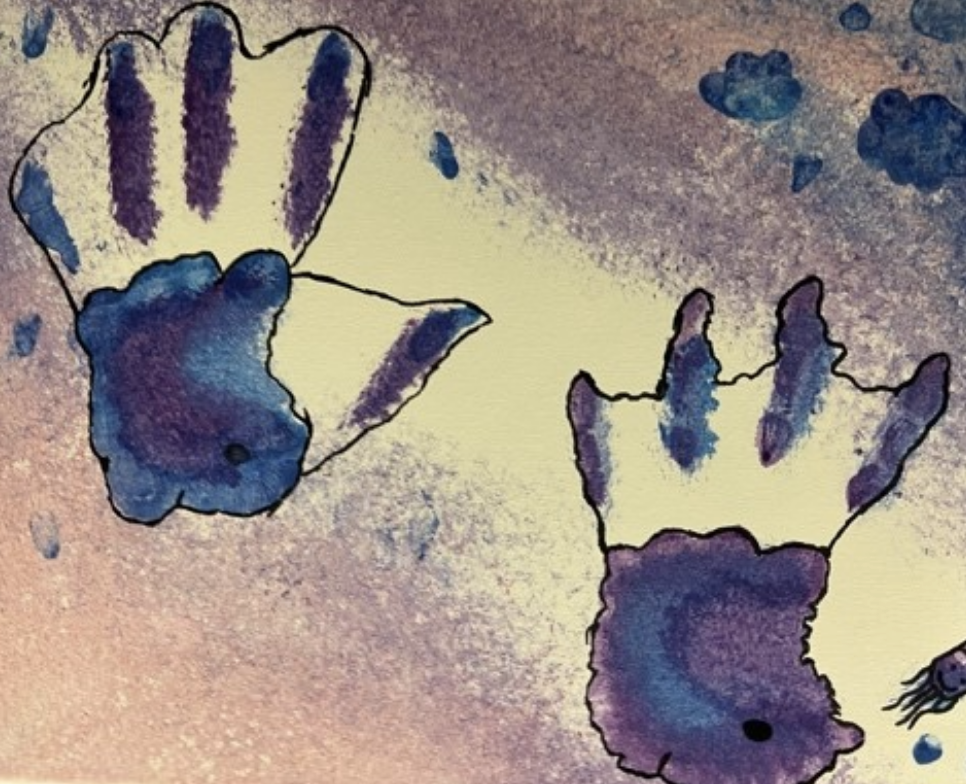
Creativity can offer many things. Sometimes it provides a sense of escape — a chance to step into another world, imagine possibilities or experience a sense of freedom and control. Sometimes it allows young people to explore feelings, relationships, identity or experiences that are difficult to express directly. We do not always need to know exactly what something represents. Sometimes the value is simply in the creating, and in sharing that experience with another person.
Working alongside SGO families has reminded me that trust is rarely built through one significant moment. More often, it develops through consistency. Remembering something that mattered the week before. Showing up. Keeping boundaries. Being reliable. Giving a young person the time and space to decide how they want to use each session.
It brings to mind the work of Patricia Crittenden around attachment, which has influenced the way I think about relationships and behaviour. Her ideas remind me to stay curious about what may sit beneath a young person’s responses and how their experiences may have shaped the ways they relate to others. This perspective feels particularly important when working alongside SGO families, where relationships can hold both love and commitment alongside loss, uncertainty and complex histories.
Irvin Yalom wrote about the therapeutic relationship as the vehicle for change. This is something I recognise deeply in my own practice. The relationship does not take away what has happened, nor does it erase the complexities that many SGO families continue to live with. What it can offer is the experience of a consistent, accepting and emotionally safe relationship with a new adult in their world.
As trust develops, the artwork can change too. A young person may become more willing to experiment, take creative risks as they build confidence, or explore materials in different ways. At other times, the changes are much less visible. Both are meaningful. The value is not in what is produced, but in having the opportunity to explore, create and express without pressure or expectation.
Art therapy is not about fixing the past or removing the complexities that many SGO families continue to navigate. Those experiences remain part of a young person’s story. The SGO families I work alongside have accessed therapeutic support through the Adoption and Special Guardianship Support Fund (ASGSF). I feel strongly that this is essential support for families who are navigating complex experiences and relationships.
What art therapy can offer is a consistent relationship and a creative space where young people can explore, experiment and express themselves in ways that feel right for them. It can support the development of trust, confidence and self-understanding. It can offer another language for experiences that may be difficult to communicate, whilst also providing space for joy, imagination and play.
For me, this is the heart of art therapy. The relationship and the creative process grow alongside one another. Through making, playing, exploring and creating together, we can begin to understand more about a young person’s world — not by needing to have all the answers, but by being alongside them with curiosity, acceptance and care.
If you would like to know more about Art Therapy for your pupils, please get in touch.
References
Crittenden, P. M. (2008). Raising Parents: Attachment, Parenting and Child Safety. Willan Publishing.
Yalom, I. D., & Leszcz, M. (2005). The Theory and Practice of Group Psychotherapy (5th ed.). Basic Books.