










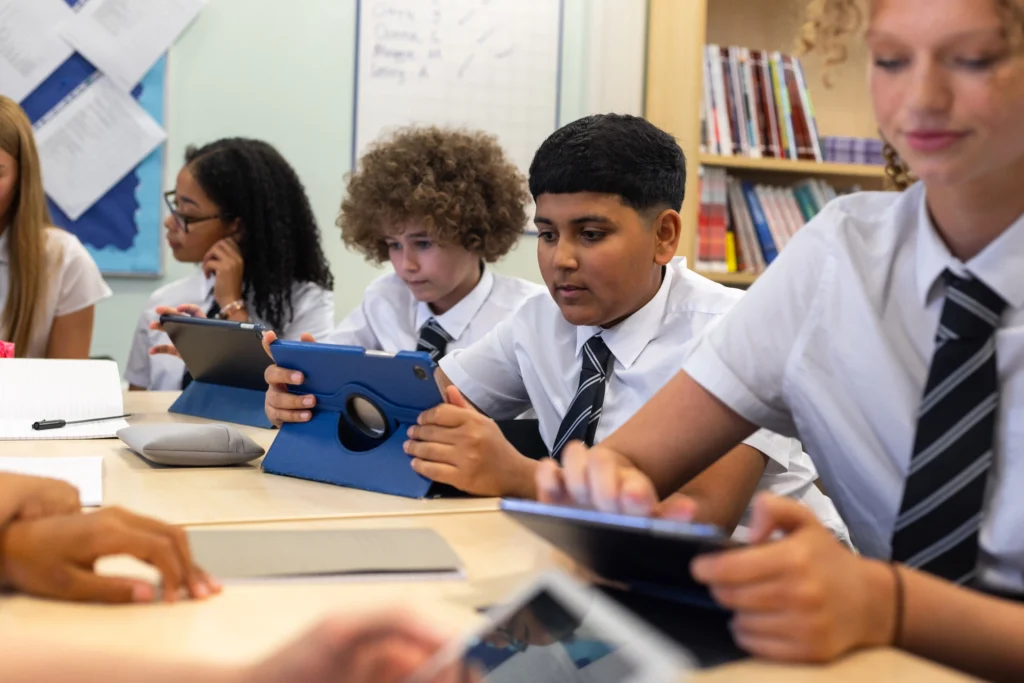

This year marks four years since the Department for Education published the digital and technology standards for schools and colleges. Since March 2022, the guidance has given schools a clearer framework for building reliable infrastructure, stronger digital leadership, safer online systems and more accessible digital provision, whilst the government’s long-term ambition is for all schools and colleges to meet six core standards by 2030. With that milestone drawing closer, now is a good time to reflect on progress and focus on the next steps that will make the greatest difference.
For us, this is more than a policy milestone. It is an opportunity to look at the practical ways we have supported schools over the past four years through Arbor consultancy and assessment support, responsive IT support, digital-divide work, audits, policy development and targeted training. Across each of these areas, the aim has been the same: to help schools make technology more reliable, more secure, more inclusive and more useful in everyday school life.
Why Standards Still Matter
These standards still matter because digital technology now touches almost every part of school life. It shapes teaching, assessment and communication, but it also underpins safeguarding, administration, strategic planning and business continuity. When schools have the right foundations in place, they are better able to reduce avoidable pressure on staff, improve the accuracy of information, support effective use of technology and create stronger conditions for teaching and learning. Just as importantly, it helps schools prepare pupils for the digital skills they will need in modern life and future careers.
They also matter because inclusion cannot be separated from infrastructure. DfE guidance on digital accessibility says schools should make digital products, content and services accessible and usable for all, whilst the government’s wider work on narrowing the digital divide links reliable, safe technology to fairer access and better opportunities for pupils. In practice, this means thinking about devices, connectivity, accessibility features, staff confidence and curriculum readiness together, rather than treating them as separate issues.
How One Education has supported schools
For many schools, progress starts with the systems leaders rely on every day. Through Arbor consultancy and assessment support, we have helped schools and trusts across Greater Manchester streamline assessment frameworks, strengthen data tracking and set up summative and formative assessment processes in Arbor MIS. In one trust, this work reduced manual data entry by 30%, improving data accuracy whilst giving staff more time back to focus on teaching, learning and school improvement.
Responsive technical support has been just as important. Day-to-day issues, network upgrades and device integration can disrupt learning quickly when support is stretched. Our flexible IT support reflects the DfE’s emphasis on reliable, responsive IT provision by helping schools keep systems secure, up to date and working when they are needed most. In one primary school, same-day support for new devices and cloud-based learning platforms helped teaching and learning continue smoothly during an unexpected staff absence.
The work of closing the digital divide has also remained central. We have supported schools with devices, internet access and digital skills for disadvantaged pupils, and following our Digital Divide campaign one school was able to deliver remote learning for all pupils so that no child was left behind. This work matters because access is about more than hardware alone; it is about making sure pupils can take part fully, safely and consistently in school life.
Strategic leadership and governance are another essential part of the picture. DfE guidance places clear roles, up-to-date information and a purposeful digital strategy at the heart of good decision-making. In practice, we have supported schools with digital audits and policy development aligned to the standards, including one secondary school that overhauled its safeguarding procedures and strengthened staff digital skills training, increasing confidence and compliance across the setting.
Alongside direct support in schools, we have continued to build awareness through our digital divide blog, e-campaigns promoting Flexible Support and Arbor consultancy, and targeted training for IT staff. That broader work is important because progress towards 2030 will depend on shared understanding across leadership, administration and technical teams, not simply on the purchase of new technology.
Looking ahead to the next phase
As the sector moves further towards 2030, progress will depend on sustained planning rather than one-off upgrades. The DfE’s consultation response highlighted the same themes repeatedly: financial pressure, legacy systems, the need for technical expertise and the importance of leadership capacity and long-term planning. Schools will therefore need regular review points, sensible prioritisation and support that is both strategic and practical.
That is why we will continue to provide ongoing IT support, consultancy and training, alongside innovative digital solutions and tailored advice for the specific challenges each setting faces. Schools can also draw on the DfE’s free Plan technology for your school service to review their position against the standards and identify practical next steps. Together, these approaches can help create provision that is future-ready, inclusive and resilient.
How One Education can help your setting
If your school would like guidance on achieving or exceeding the digital and technology standards, we can help. From ICT audits and strategic planning to hands-on support, Arbor consultancy and staff training, we work alongside school leaders and IT teams to make digital improvement simpler, clearer and more sustainable.
Read more about meeting digital and technology standards in schools and colleges, or get in touch with our IT Team to discuss the right support for your setting.