










We are pleased to share the significant impact of Ella Buchanan, a member of our Educational Psychology Team, whose doctoral research was completed during her training at the University of Manchester. This work is already contributing to national discussions about how best to support children affected by parental imprisonment – a group who are too often overlooked within our school communities.
The research focuses on children affected by parental imprisonment (CAPI). This group has been historically under-recognised within education. Indeed, many of these children describe feeling “invisible”, alongside experiences of shame or perceived judgement from teachers, social workers, and other professionals who should be sources of support. Despite the considerable emotional, social and practical challenges they face, there are currently limited mechanisms to ensure these children are consistently identified or supported in schools.
The study is largely informed by a systematic literature review examining the relationship between the United Nations Convention on the Rights of the Child (UNCRC) and the experiences of children with a parent in prison. The research examines how effectively existing systems uphold children’s rights for their needs to be recognised and met, ultimately revealing a clear gap between principle and practice. To find out more information, you can read the research here.
Since publication in March, the research has begun to influence thinking at both local and national levels. A team within the Department for Education (DfE) reached out to explore the findings in greater depth, as this aligned with their manifesto commitment to improve outcomes for vulnerable children, and discussions have focused on how the evidence can inform future policy development.
The research has also been shared with the Ministry of Justice (MoJ), contributing to ongoing work to strengthen strategies for identifying and supporting children affected by parental imprisonment. In July, the research was presented at the International School Psychology Conference, underlining the global significance of this issue.
Whilst the research has gained traction at a much broader strategic level, its primary focus ultimately remains the same: ensuring schools are equipped to meet children’s needs. With this in mind, the empirical part of the research adopted an action research approach to support an Educational Psychology Service (EPS) to develop their offer for CAPI. Within that EPS, a Best Practice Guide and associated training has been developed as a direct outcome of the research, outlining the importance of identifying CAPI and offering support through a graduated approach, involving systemic changes and individualised support where necessary.
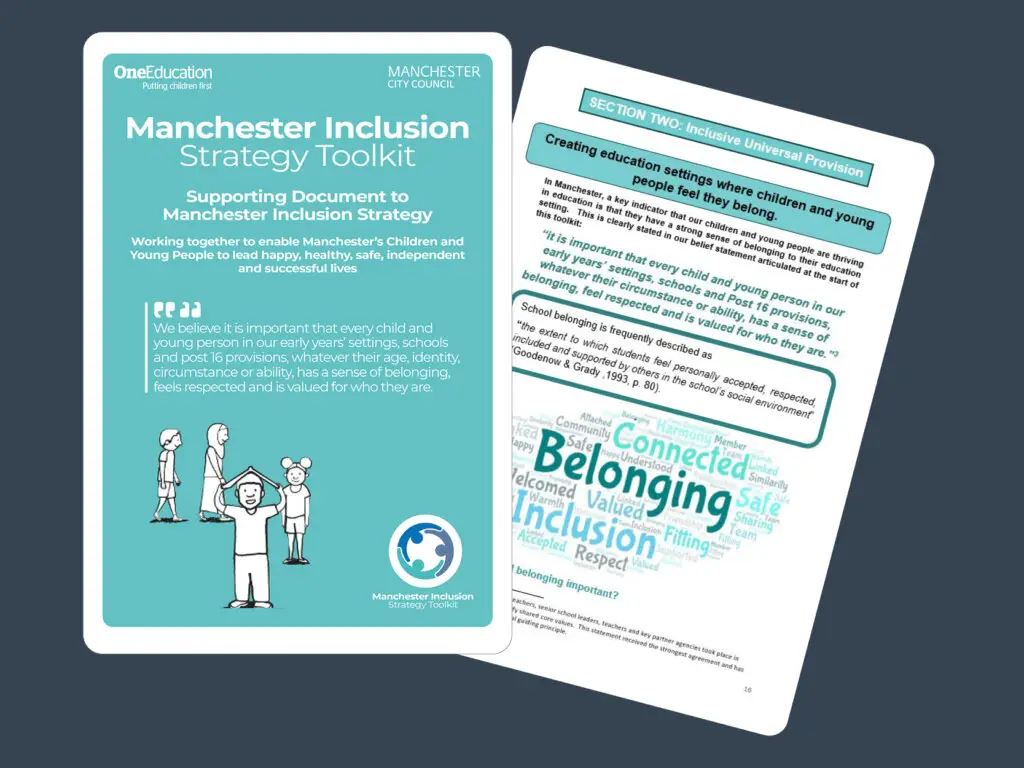
This research and associated guidance has informed an updated chapter in the Inclusion Toolkit.
This guidance reinforces schools’ role in upholding children’s rights. It offers practical strategies to create an inclusive, understanding, and welcoming ethos, alongside signposting to specialist services and resources for both schools and families. EPs are also working directly with schools to build staff confidence and understanding, helping them to recognise the potential impact of parental imprisonment and respond with empathy and professionalism.
We are incredibly proud of Ella and her achievement, a testament to her dedication and a deep commitment to improving outcomes for children. This work reflects not only her expertise, but also the strength of our Educational Psychology Team who have helped to turn research into meaningful support for the schools and the children they serve.
Congratulations!