















Young Carers Action Day encourages organisations, communities and individuals to raise awareness for young carers. Across the UK, thousands of children and young people take on caring responsibilities, making significant contributions to their families and local communities. However, these responsibilities can have a significant impact on a young person’s learning, development, and long-term opportunities.
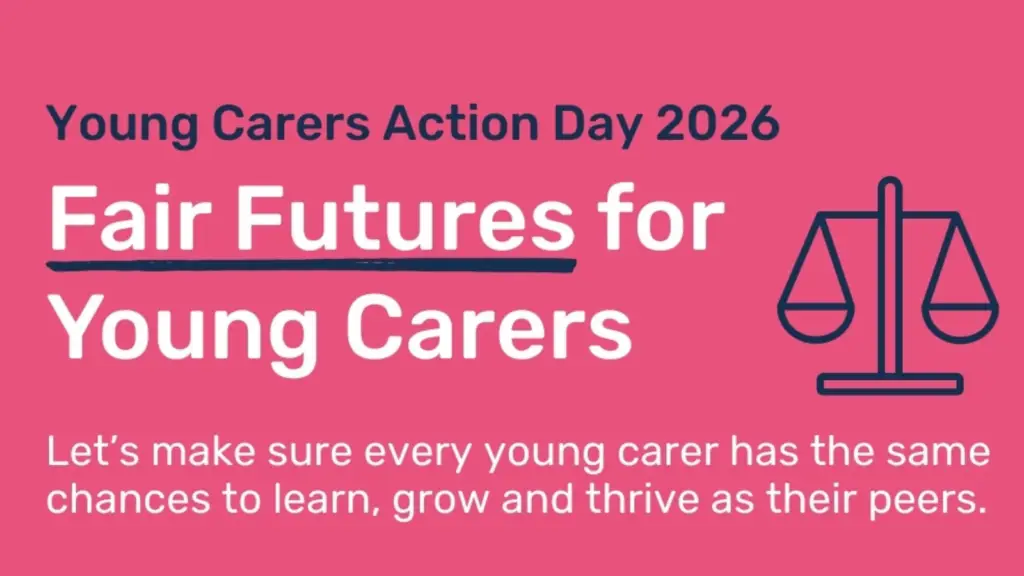
This year, the theme for Young Carers Action Day is “Fair Futures for Young Carers,” a call to ensure every young carer has the same chances to learn, grow and thrive as their peers. In this blog, we will explore the role that schools can play to ensure that young carers have the support they need to reach their full potential.
What is a young carer?
A young carer is someone under the age of 18 who helps to look after a family member or friend who has an illness, disability, mental health condition, or struggles with substance misuse. Their responsibilities can include a variety of tasks, such as cooking, cleaning, helping someone move around the house, managing medication, or providing emotional support.
For some children, caring becomes a part of everyday life from an early age. Others may find themselves becoming carers overnight due to a sudden illness or injury. Some young carers provide support to more than one person, often alongside managing their own physical or mental health needs.
According to the Office for National Statistics (ONS), around 120,000 young carers aged 5-18 were identified in England in the 2021 census. However, organisations such as Carers Trust suggest that the true number may be closer to one million. Some young people do not realise that they qualify as young carers, which means they miss out on the support and services available to them.
What are the challenges that young carers face at school?
Balancing caring responsibilities with school work can be incredibly challenging. Indeed, 27% of young carers aged 11-15 report missing school or struggling with their education due to their caring role. This is reflected in attendance data, which reveals that young carers are absent from school for 23 days of the school year, missing more than a month of their education on average. Overall, persistent absence is almost twice as high for young carers (38%) compared to 20% for their classmates.
Unsurprisingly, this is reflected in educational outcomes. Fewer than half of young carers leave primary school with the expected standard of reading, writing and Maths. Similarly, only 45% leave secondary school with 5 GCSE passes including English and Maths. This disparity highlights the profound impact that caring responsibilities can have on a child’s learning and future life chances.
Beyond academic performance, young carers frequently experience social and emotional challenges. Many report having less time to spend with friends or participate in extracurricular activities, which can contribute to feelings of isolation. Some young carers also report experiencing bullying linked to their responsibilities at home. Together, these factors can significantly affect a child’s self-esteem, resilience, and engagement with education.
How can schools support young carers?
Given the significant amount of time that children and young people spend in school, teachers and support staff are uniquely placed to identify vulnerable learners who are in need of extra support. Yet 39% of young carers say that nobody in their school is aware of their caring responsibilities, highlighting the importance of stronger identification and intervention frameworks in schools.
Schools can play a key role in creating environments where young carers feel safe to disclose their caring responsibilities without fear of judgement or stigma. Through early identification, staff can put practical measures in place to close the disadvantage gap and promote their overall wellbeing:
- Pastoral and mental health support
- Access to phone during break times (discreetly, in line with your setting’s policy on mobile phones)
- Flexible approaches to homework and other deadlines
- Ensure young carers can participate in trips, clubs and enrichment
- Signpost families to external services for young carers
When planning support strategies, schools should ensure that young carers are involved in discussions and decisions that affect them. By taking a proactive approach and addressing common challenges, schools can effectively reduce the pressures faced by young carers and ultimately raise their standard of achievement.
Working towards fair futures
Young carers play an incredible role within their families, but they shouldn’t have to face these challenges alone. Young Carers Action Day underlines the importance of increased awareness, early identification, and stronger collaboration between education, health and community services. By working together to ensure young carers receive the support they need, we can help to ensure that their responsibilities at home do not limit their opportunities for the future.
Explore our Safeguarding and Attendance services to learn more about how we can support your setting.