






This week marks Anti-Bullying Week 2025, an annual campaign that takes place across the UK to raise awareness of bullying in schools and elsewhere, showcasing all the ways we can effectively prevent bullying and take action when it occurs.
The theme for this year’s event is “Power for Good.” This calls on children and young people to handle disagreements and differences of opinion without resorting to bullying behaviour. Instead, young people are encouraged to champion kindness, because being kind is not a sign of weakness but a mark of strength.
How common is bullying?
In 2023-24, the Anti-Bullying Alliance collected questionnaires from 45,000 pupils in schools across England to learn more about their experiences of bullying. Findings show that almost 1 in 4 children report being bullied. Around 7% of pupils reported that they frequently bullied others.
Both pupils who bully and those that have been bullied report having negative experiences of school. They are both significantly more likely to say:
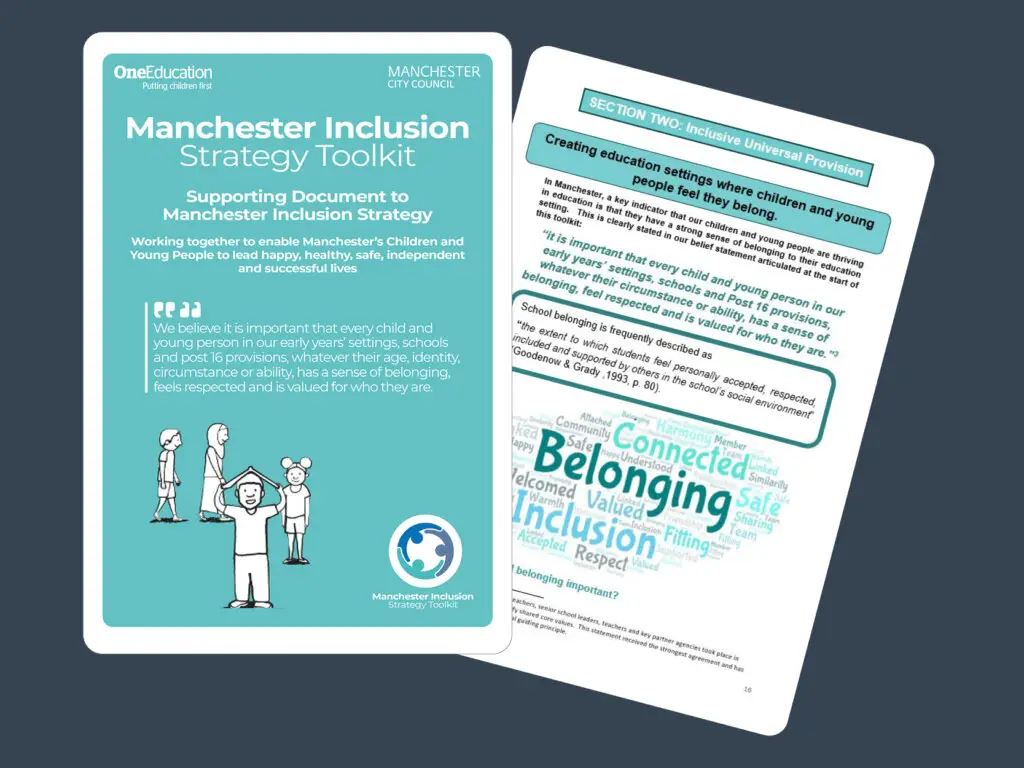
- They feel like they don’t belong at school
- They don’t get on with their teachers
- They don’t feel safe at school
- They don’t like going to school.
How can we prevent bullying?
Preventing bullying isn’t just about responding to negative behaviour – it’s about proactively creating a school culture where every pupil feels safe, seen, and supported. To achieve this, we need to understand the underlying social and emotional needs that often drive bullying behaviour.
Research indicates that individuals who feel isolated, rejected, or struggle with low self-esteem may turn to bullying as a misguided attempt to gain status, attention, and acceptance within their peer group. Additionally, emotional dysregulation can contribute to bullying, as children may lash out in an attempt to cope with feelings of anger and insecurity.
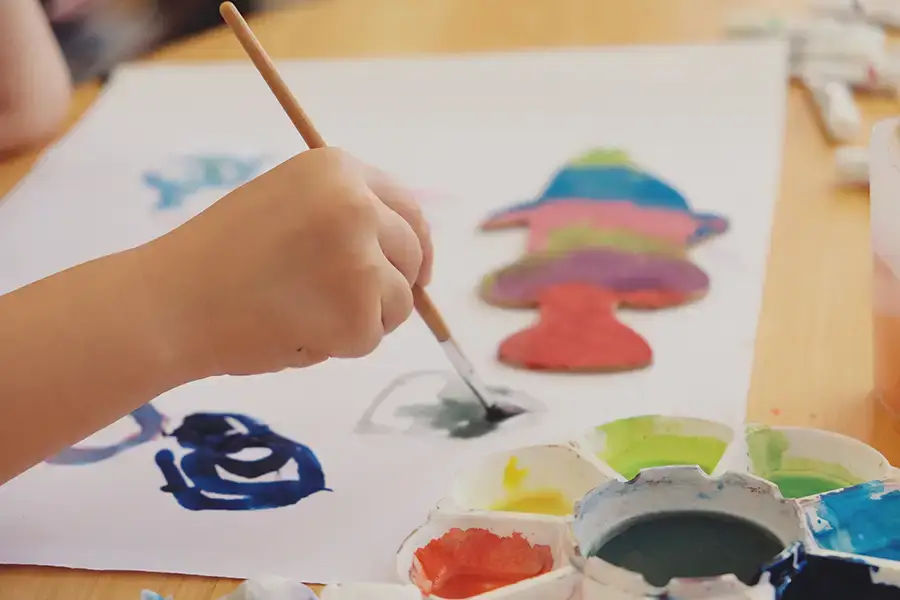
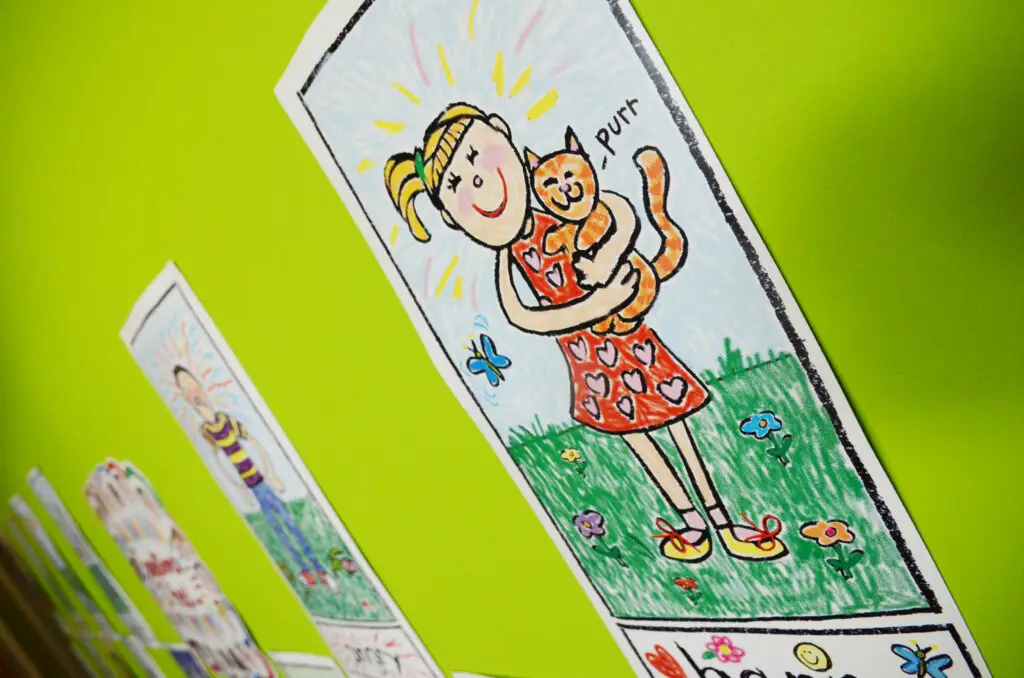
Creative arts therapy can play a crucial role in preventing bullying by giving children the opportunity to explore complex emotions and experiences in a safe, non-judgemental environment. Through activities such as art, drama, music, movement and play therapy, children can reflect on the impact of their actions and practice more positive ways of interacting with others. Group therapy sessions also give children the chance to build cooperative relationships with others, fostering empathy and understanding. By helping children develop emotional awareness and healthy coping strategies, we can strengthen their self-worth and resilience, ultimately reducing the likelihood of them engaging in bullying behaviours.
- Our Creative Arts Therapists offer a wide range of therapeutic interventions for children and young people, helping to prevent bullying behaviour from taking place by ensuring their emotional and social needs are met.
We can also deliver Creative Arts Therapy-based training, which gives staff the practical skills and emotional foundation to address bullying compassionately and effectively.
How can we tackle cyberbullying?
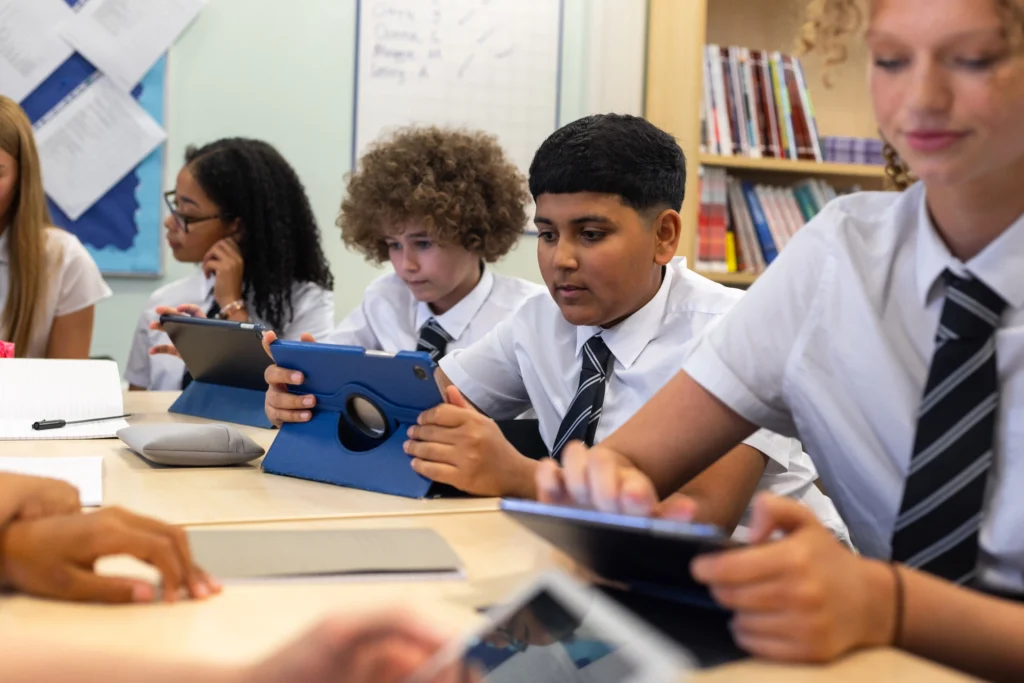
Notably, 6% of children say they are frequently bullied online. With this in mind, it is essential that schools use effective filtering and monitoring systems to help protect pupils as a part of their overall safeguarding strategy. These systems can identify potential concerns by flagging inappropriate content, risky websites, concerning search terms, or harmful communication shared across school platforms.
These monitoring tools are particularly valuable for identifying subtle indicators of harmful behaviour, which may be hidden within internet slang, coded language, or shared images. They can also detect signs of emotional distress, such as low mood, anxiety, or depression, enabling staff to intervene before issues escalate.
Online safety lessons are also vital to teach pupils how to recognise harmful online behaviour, understand the impact of their digital activity, and develop strategies for responding safely to instances of cyberbullying. Together with filtering and monitoring systems, schools can empower pupils to make safer choices online and ensure any concerns are quickly identified and addressed.
- One Education IT can provide robust filtering and monitoring systems to help protect your school from potentially harmful behaviours and inappropriate online content, including cyberbullying.
We also offer cybersecurity and awareness training, empowering students and staff with the knowledge, skills and strategies to stay safe online.
How can we create an anti-bullying culture in school?
Building a strong safeguarding culture is fundamental to preventing and addressing bullying in schools. While safeguarding begins with policies, procedures, record-keeping and regular staff training, it must go beyond these foundations to become part of the school’s everyday ethos. A true safeguarding culture promotes kindness, respect, and positive behaviour through all aspects of school life.
Senior leaders play a vital role in shaping this culture by modelling the values of respect, empathy, and accountability. However, preventing bullying is not only the responsibility of leadership; it requires collective commitment from the entire school community. All staff must remain vigilant, professionally curious, and confident in recognising and responding to signs of bullying.
Just as importantly, pupils should be empowered to take an active role in maintaining a safe environment where they feel able to raise concerns, support their peers, and create an anti-bullying culture through everyday acts of kindness.
- How can you ensure you have a strong safeguarding culture?
Our Safeguarding Assessment will help to evaluate the effectiveness of your child protection policies and procedures. Our experts will take a detailed look at every aspect of your safeguarding arrangements, including staff training, multi-agency working, governance and accountability, the curriculum and more.
Want to learn more about our Creative Therapy, IT, or Safeguarding services? Please explore our website and get in touch. A member of our team will be happy to help.