

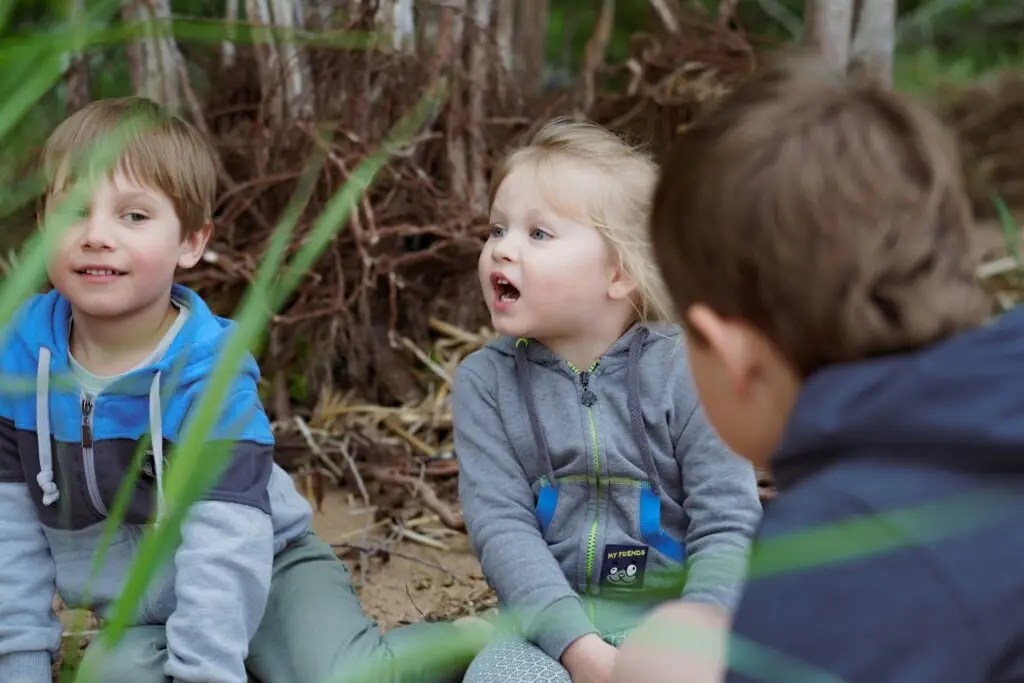

Walk past an Early Years outdoor area and you will often see children immersed in rich, purposeful learning. Some are building, some are digging, some are creating imaginative worlds, and others are investigating the smallest details of nature. The outdoor environment is not considered an “extra” or a “luxury,” but a carefully thought-out extension of the classroom, supporting children’s development across all areas of learning.
Yet something curious often happens as children move through school. The opportunities for outdoor play and learning begin to shrink. Time outdoors becomes increasingly limited to one breaktime a day. Some schools have reduced lunchtime down to 40 minutes. Learning moves indoors. Desks replace mud kitchens. Worksheets replace exploration. The outdoor environment, once central to learning, becomes something children visit rather than inhabit.
The question, then, is why?
Children’s curiosity, creativity and connection with the world around them does not disappear at the end of Reception, and nor does their need for movement. These needs remain just as important to children’s development as they continue to grow and the world around them becomes more complex.
As explored in my previous blogs on Play-Based Learning Beyond EYFS Part 1 and Part 2, development does not suddenly shift when children leave Reception. Yet provision often does.
Read more on play beyond EYFS
Outdoor Learning Doesn’t Need a Big Budget
One of the most common barriers schools identify is cost. Budget constraints often mean that practitioners cannot invest in specialist equipment or in developing a purpose-built outdoor classroom. Yet, some of the most powerful outdoor learning environments are created through imagination rather than investment.
Logs, tyres, crates, pallets, tarpaulins, ropes, sticks, chalk, buckets and loose parts can provide endless opportunities for learning and play. Many of these resources can be sourced for little or no cost through recycling centres, local businesses, building merchants, garden centres, scrap stores and community donations. You can even reach out to parents and explain the more power outdoor play can have.
A set of drainage pipes becomes a water investigation system.
Wooden pallets become stages, dens or obstacle courses.
Tyres become stepping stones, seats, or anything children decide they need them to be.
Loose parts remain one of the most powerful and cost-effective ways to develop outdoor learning because they place creativity in the hands of children rather than in expensive, fixed equipment. Ultimately, outdoor learning is not about creating an instagram-perfect environment. It is about creating possibility, empowerment, growth, magic and more!
Creating Meaningful Outdoor Zones
One of the simplest ways to extend outdoor provision beyond EYFS is to think in terms of purposeful zones, a principle influenced by Greg Bottrill, an experienced Early Years practitioner and consultant I had the pleasure of working alongside a few years ago. His “kingdoms” approach has shown how carefully designed imaginative spaces can ignite curiosity, language, and play across early education.
These zones do not require permanent structures or significant budgets. Often, clarity of intention, explanation to the children (and adults), and a few carefully chosen resources are enough. A few examples are below.
Imagination Land
A space for storytelling, role play, performance and creativity.
Fabrics, crates, small-world resources, natural materials, costumes and loose parts all invite children to construct their own narratives. A stick becomes a wand; a crate becomes a pirate ship; a tarpaulin becomes a castle.
Investigation Station
A space for curiosity, questioning and scientific thinking.
Magnifiers, bug pots, clipboards, measuring tools, maps and natural collections encourage children to observe closely, notice patterns and ask meaningful questions.
Construction Site
A space for designing, building and problem-solving.
Crates, pallets, planks, tyres, cable reels, pipes and loose parts create opportunities for engineering, collaboration and resilience when things do not go to plan.
Sports Zone
A space for movement, challenge and physical development.
Skipping ropes, balls, hoops, targets and obstacle courses support coordination and teamwork, but also leave room for children to invent and adapt their own games.
Adventure Island
A space for exploration, managed risk and challenge.
Balancing logs, stepping stones, climbing opportunities, den-building materials and uneven terrain help children develop judgement, resilience and confidence.
The Adult Matters Too
Creating powerful outdoor learning is not simply about space or resources. It is about adults.
The role of the adult outdoors is different from the role many of us adopt indoors. Children do not need adults who control every outcome, lead every activity, or solve every problem.
They need adults who know when to step in and when to step back. This means observing carefully, noticing interests emerging, and asking thoughtful, open questions to support children on their journeys towards discovery.
However, staff confidence and expertise isn’t something that can be left to chance. Training and CPD is essential. If schools are serious about developing outdoor learning beyond EYFS, then investment must go beyond resources. Teaching assistants, midday supervisors, sports coaches and senior leaders all need shared professional development around play, risk, child development and high-quality adult interaction.
Too often, schools invest in equipment before investing in people. Yet it is the adult, not the resource, that determines the quality of children’s experiences. The role of the adult is paramount!
Nature as a Teacher
Many children now spend less time outdoors than previous generations and the consequences extend far beyond the benefits of physical activity and physical development.
Life is fast paced and changes are happening at speeds never seen before. We all know that spending time in nature has been linked to improved wellbeing, attention, emotional regulation and engagement. It provides children with opportunities to slow down, notice, question and connect with the world around them.
A puddle becomes a science investigation.
A fallen branch becomes an engineering challenge.
A patch of wildflowers becomes a lesson in biodiversity.
Whilst we all like to be well-prepared, some of the most powerful learning moments are unplanned (I mean, how dare Mother Nature allow ice to form in Spring 1 when it was on the progression map for the following week?!) but this can only if children are given the space and time to find them.
Reclaiming Outdoor Learning
Creating meaningful outdoor learning opportunities beyond EYFS does not require vast budgets or acres of land. I resourced my first outdoor play area with £60 for 6 plastic boxes, a repurposed shed and donations from parents, the community and businesses!
What it does need, however, is a clear vision and a shift in mindset.
It means viewing the outdoor environment as a classroom, not a reward.
It means recognising that movement, exploration and play are not optional extras.
It means trusting that learning can be fun, look different whilst still being rigorous.
Most importantly, it means acknowledging that children’s developmental needs do not stop when they leave Reception.
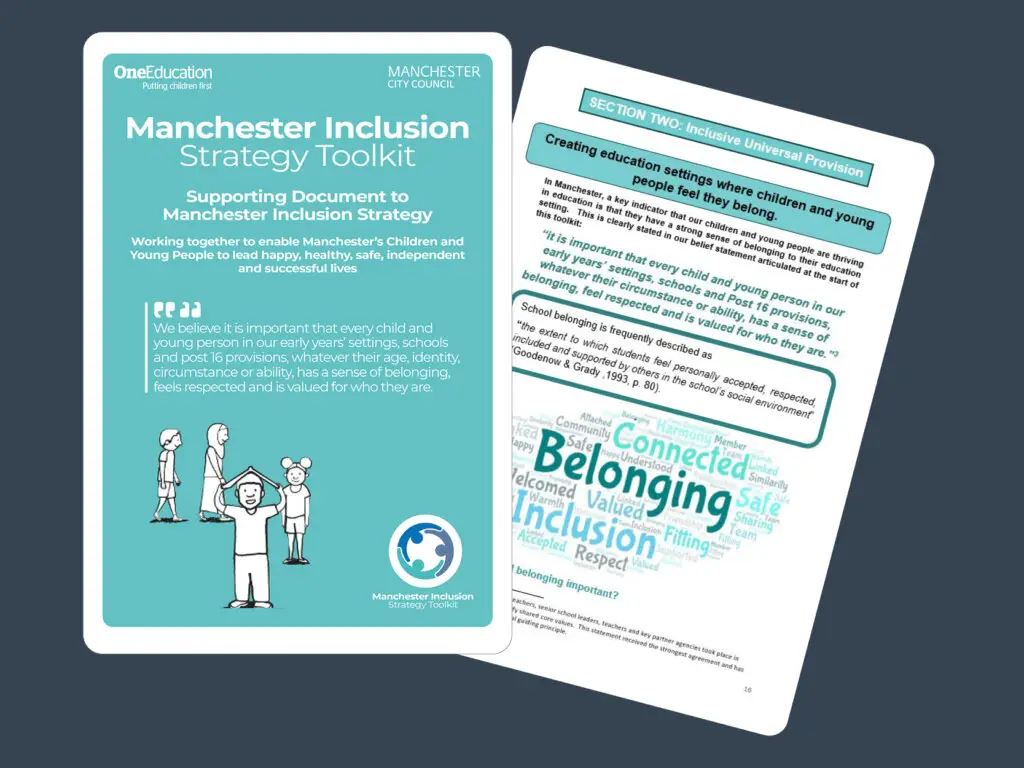
This thinking underpins much of my work with schools, including the Play-Based Learning Beyond EYFS series. Similarly, the open letter to educators reiterates the same message: children’s entitlement to rich, meaningful experiences does not diminish with age.
A Space to Grow
As educators, we often talk about preparing children for the future.
Yet many of the qualities we value most as society such as resilience, creativity, collaboration, curiosity and problem-solving (World Economic Forum 2025) are developed most powerfully through experiences that cannot be contained within four walls.
Outdoor learning and play offer children something increasingly rare. The space to think, move, wonder, take risks, and grow.
Perhaps the question is not whether outdoor learning belongs beyond EYFS, but why we ever thought it should stop.
Join the Playful Schools Project
Following the success of the Playful Schools Project, I am pleased to share that it will be running again next year.
The project supports schools in developing playful, creative and child-centred approaches to learning, with a focus on playful pedagogical approaches to deliver our curriculum, sustaining play, and outdoor learning beyond the Early Years.
If your school is interested in being part of the next cohort or would like to explore how to develop outdoor learning and play further, I would love to hear from you.