
With an extensive portfolio of services, tailor-made solutions and leadership support, we can help you to optimise your operations and achieve your school business goals.
What's New

As spare school places rise to their highest level since records began, we explore the trends behind falling pupil numbers, and what this means for schools.

Read our expert advice on how to manage parental complaints and ensure matters are effectively resolved.
Bringing out the best in school leaders, teachers and their pupils through high-quality consultancy and professional development.
What's New

We discuss what we’ve learned about developing reading through the One Education Reading Award, helping schools turn research-informed practice into meaningful and sustainable change.
Find out more

Explore our recommended reads for autumn 2026, ensuring your classroom shelves are filled with books for every child to enjoy.
Find out more
Using theory, research and evidence-based practice to promote inclusion, embrace diversity and transform the life chances of children and young people.
What's New

Learn all about recent research on children affected by parental imprisonment and how these findings can help practitioners to support a group of children who are too often overlooked within our school communities.
Find out more
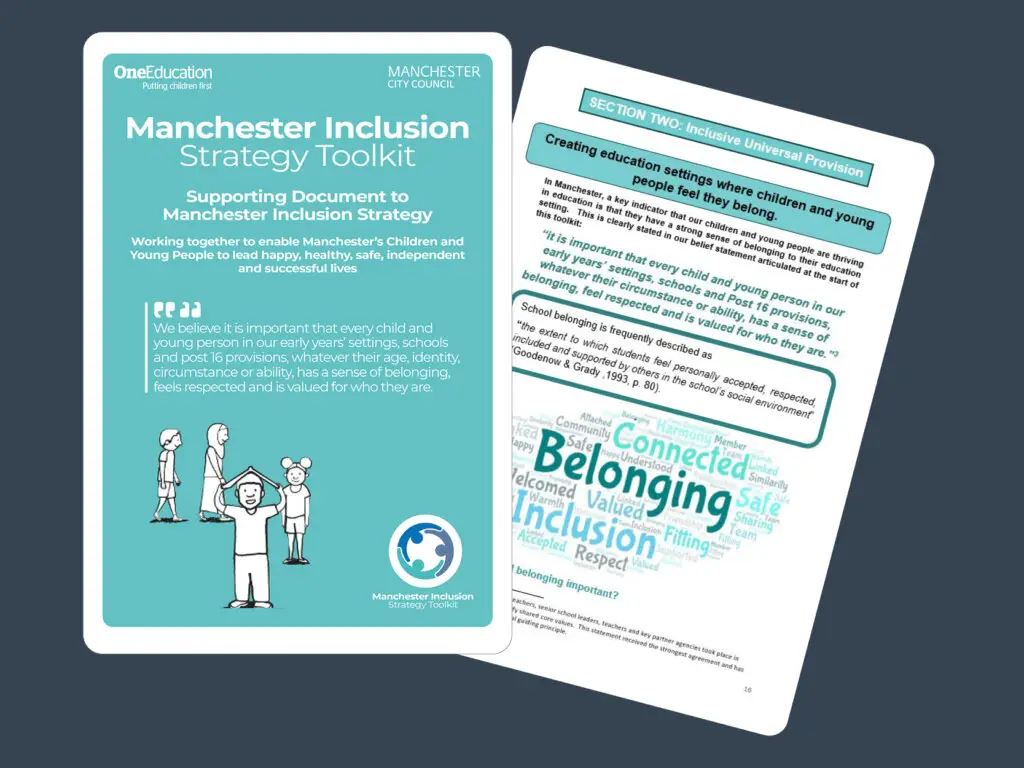
Find out what’s in our inclusion strategy toolkit
View our toolkit
With a team of highly skilled and experienced professionals, we can help you promote the welfare of pupils and keep them protected from harm.
What's New

In this blog on art therapy, we share reflections on working alongside young people and families in Special Guardianship arrangements.
Find out more
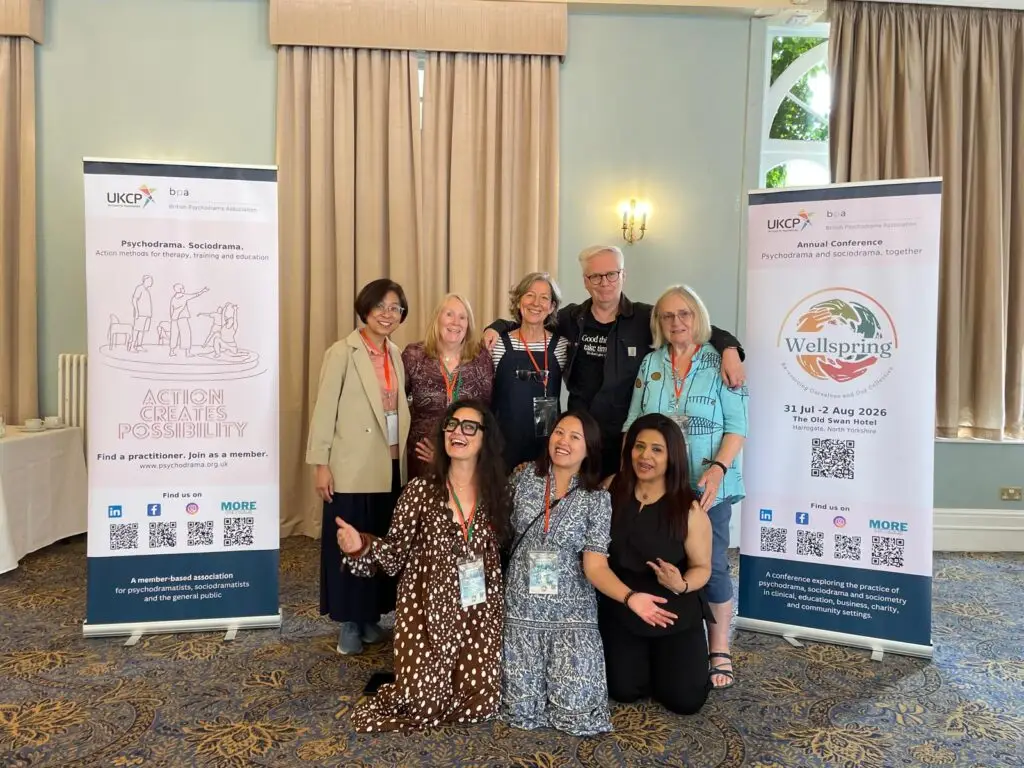
Our Head of Creative Psychotherapy, Jeni Goodfellow-Pemsel, shares reflections on leadership, following her attendance at the British Psychodrama Association Conference.
Find out more
What's New
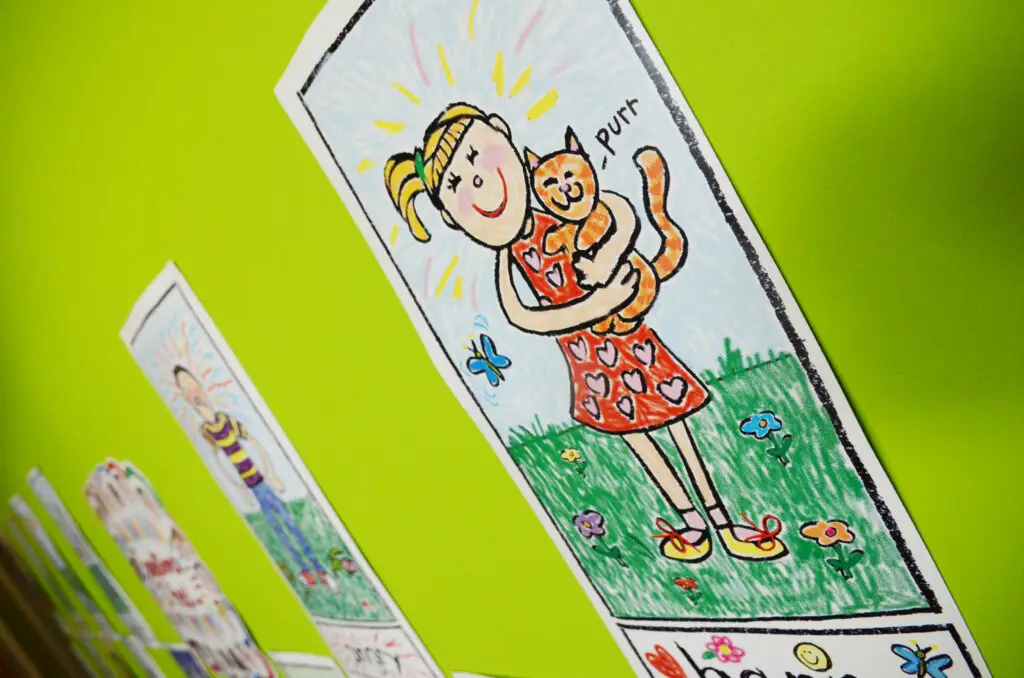
In this case study, we explore the profound impact of Art Therapy for pupils with emotional barriers to school attendance (EBSA).
Find out more

This blog explores Emotional Barriers to School Attendance (EBSA) and its impact on children’s speech, language and communication needs.
Find out more
A wide range of additional resources to support you in your role. Please select an area of interest to browse the documents.
What's New
Contact us to discuss how to purchase exclusive access to our resource area.
Find out more

Find out what’s in our inclusion strategy toolkit.
View our toolkit

Expert guidance and quality resources to support mental health across your setting.
View Manchester WSCA
What's New
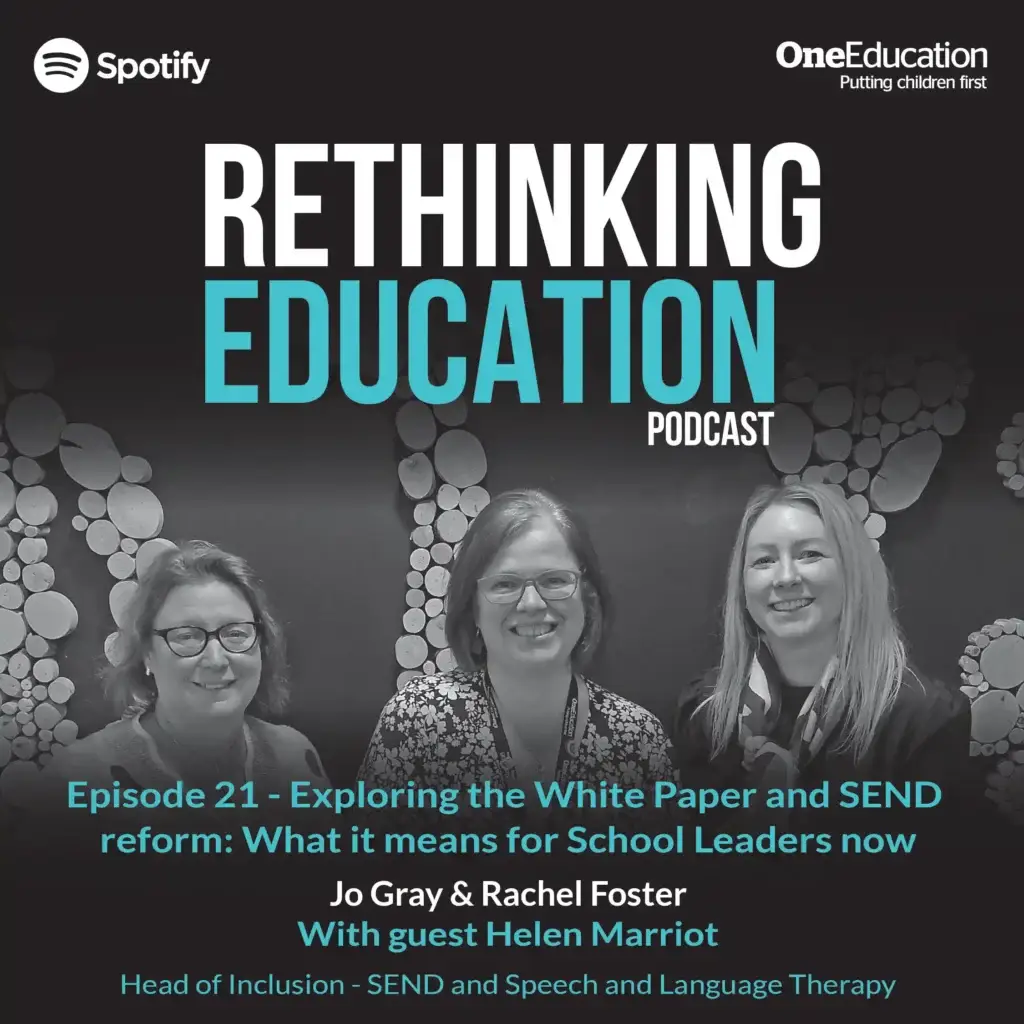
Take a listen to our latest podcast episode, Rethinking Education episode 21 with special guest Helen Marriott. All episodes now available.
Click here to listen
Find out what’s in our inclusion strategy toolkit.
View our toolkit
Working across a breadth of leadership, business support and pupil facing services, we are proud to be the partner of choice for schools and trusts across the country.
What's New

Discover what our Attendance Support looks like in action in this case study, focusing on how we worked together with Elton Primary School to improve attendance outcomes.
Find out more

Now that we are four years on from the publication of the digital and technology standards for schools and colleges, we discuss why standards still matter and the support available for school leaders.
Find out more