





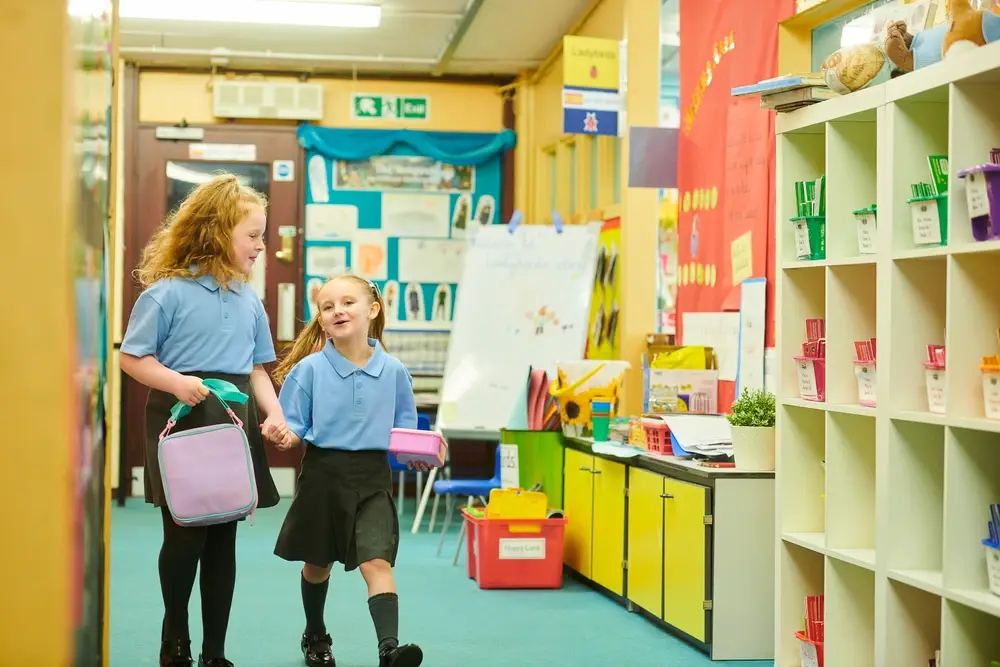

When we think of attachment in childhood, our minds often turn to the parent or caregiver relationship, the cornerstone of traditional attachment theory. However, for children who have experienced trauma and Adverse Childhood Experiences (ACEs), the primary attachment figure may not be a parent at all. Instead, it is often a sibling who plays the role of emotional anchor, protector, and co-survivor.
Sibling Attachment: A Lifeline in the Storm
For children growing up in households marked by instability, neglect, or abuse, siblings can serve as a vital source of security and connection. Research shows that siblings often develop intense, complex bonds when navigating trauma together, providing each other with emotional regulation, comfort, and even practical caregiving (Bank & Kahn, 1982; Wojciak, McWey, & Helfrich, 2013). In such situations, the sibling relationship may supersede traditional caregiving bonds, forming the foundation for the child’s understanding of love, loyalty, and safety.
These sibling bonds are not just significant; they are formative. Patterns of attachment, co-regulation, and coping strategies are shaped within these relationships. A younger child may cling to an older sibling as a source of reassurance, while the older may adopt a pseudo-parental role, often suppressing their own needs in the process. This dynamic can shape lifelong relational patterns.
The Impact of Separation and Transition
Sibling attachments are particularly vulnerable during key transitional moments. These can include:
- Puberty – as children move through developmental changes, their emotional needs shift. If a sibling bond has been central to their identity, this shift can feel like a loss.
- Loss or illness – when a sibling becomes ill, dies, or develops significant additional needs, the relationship dynamics may be disrupted or distorted.
- Placement changes – when siblings are separated in foster care, adoption, or kinship arrangements, children may experience deep grief and identity confusion.
- New family members – the arrival or departure of siblings due to blending families or placement moves can destabilise the child’s sense of security and continuity.
These disruptions are often overlooked because the focus tends to remain on the adult-child caregiver relationship. Yet the psychological distress caused by sibling separation can mirror that of parental loss, particularly when the sibling has functioned as the child’s main attachment figure.
When Stability Masks Loss
One of the most challenging aspects of sibling attachment disruption is that it can be invisible to professionals. A child may appear to be in a “stable” home with supportive carers, yet present with behaviour that feels confusing or disproportionate, withdrawal, aggression, over-compliance, or dissociation.
Without curiosity and a trauma-informed lens, these behaviours may be pathologised or dismissed. However, they often reflect an unmet need or unresolved grief linked to sibling attachment.
Children may struggle with internal questions such as:
- Why wasn’t my sibling kept with me?
- Am I allowed to miss them if everyone else is fine?
- Who am I without them?
- Did I cause this?
Their sense of self, rooted in relational identity, may be deeply shaken. In some cases, they may avoid forming new attachments, fearing future loss. In others, they may develop hypervigilance or take on excessive responsibility within peer or family systems.
Staying Curious and Compassionate
Professionals working with children and families must stay alert to the hidden weight of sibling loss and attachment. Here’s how we can embed that awareness in our practice:
- Ask about sibling relationships routinely
Include questions about siblings in assessments, supervision, and therapeutic conversations. What role did the sibling play? What do they mean to the child?
- Acknowledge ambiguous loss
Children separated from siblings may not be able to visit, contact, or even mention them freely. Support them in naming and processing these losses, even if the separation was deemed necessary.
- Train staff in sibling dynamics
Educators, social workers, and carers often focus on adult attachments. Offering training on sibling attachment can increase empathy and reduce misinterpretation of behaviours.
- Promote contact where safe
Even brief, supervised interactions or shared life story work can support a sense of continuity and reduce trauma around separation.
- Support identity formation
Help children explore who they are outside of caregiving roles or trauma identities linked to siblings. Use arts-based approaches, story work, or drama therapy to support this exploration in a creative, safe space.
Sibling relationships can be a powerful, yet overlooked, source of both healing and heartache for children who have experienced trauma. By bringing these bonds into the centre of our work, with curiosity, compassion, and clinical insight, we can move closer to understanding the whole child, not just the one that shows up in a case file.
Let’s ensure that in our efforts to support healing, we do not sideline the relationships that have, for many children, meant survival.
Want to learn more? Contact our Creative Psychotherapy team for more information.
References:
- Bank, S. P., & Kahn, M. D. (1982). The Sibling Bond. Basic Books.
- Wojciak, A. S., McWey, L. M., & Helfrich, C. M. (2013). Sibling relationships of children in foster care: A review of the literature. Children and Youth Services Review, 35(6), 1071–1077.
- Fiese, B. H., Spagnola, M., & Everhart, R. S. (2006). Family routines and rituals: A context for development in the lives of young children. Infants & Young Children, 19(4), 299–308.
- Vetere, A., & Dowling, E. (Eds.). (2005). Narrative Therapies with Children and Their Families: A Practitioner’s Guide to Concepts and Approaches. Routledge.