With an extensive portfolio of services, tailor-made solutions and leadership support, we can help you to optimise your operations and achieve your school business goals.
School photography remains one of the most powerful tools we can use in school marketing, but with the rise of AI tools that can manipulate online images, how can schools continue to use photography safely?
Discover how to our Marketing Team worked with Manchester Virtual School to enhance their school website and elevate their online presence.
Bringing out the best in school leaders, teachers and their pupils through high-quality consultancy and professional development.
In this blog, we answer the question “what is oracy?” and reflect on how schools can prioritise oracy across policies, pedagogy, and practice.
Find out more
Find out how to support reading at home from KS1 all the way through to KS4, ensuring every child and young person can enjoy the benefits of reading for pleasure.
Using theory, research and evidence-based practice to promote inclusion, embrace diversity and transform the life chances of children and young people.
Learn all about recent research on children affected by parental imprisonment and how these findings can help practitioners to support a group of children who are too often overlooked within our school communities.
Find out more

Find out what’s in our inclusion strategy toolkit
View our toolkit
With a team of highly skilled and experienced professionals, we can help you promote the welfare of pupils and keep them protected from harm.
We are already beginning to see the impact of Gen AI in schools. Find out what steps we can take to raise awareness and protect our students from harm.
Find out more
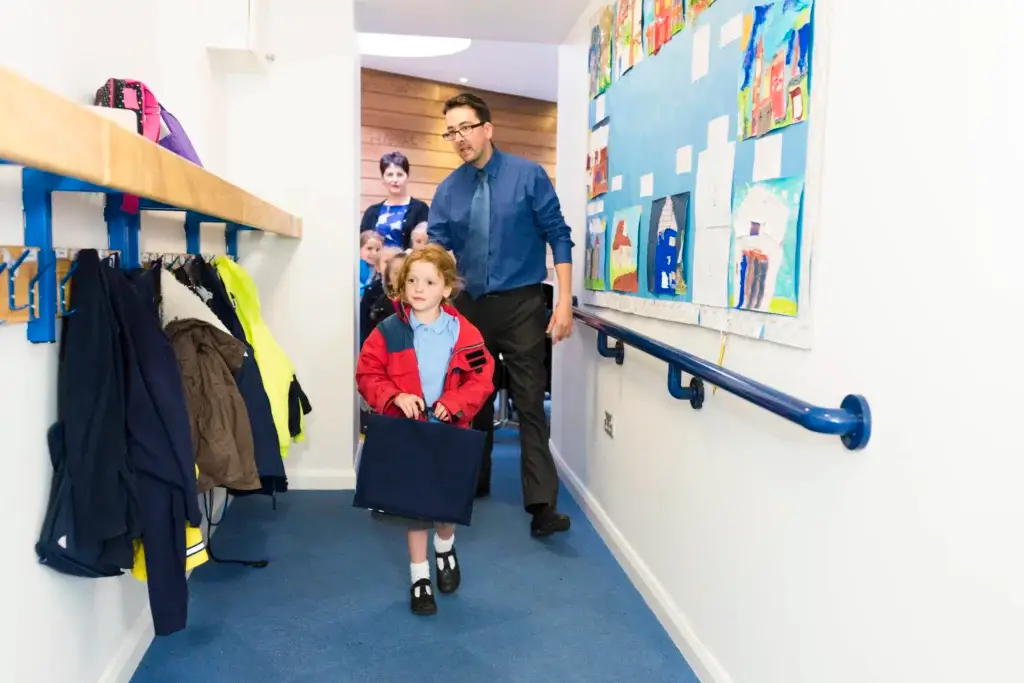
The much-anticipated update to Working Together to Safeguarding Children shows some significant changes.
Find out more
In this case study, we explore the profound impact of Art Therapy for pupils with emotional barriers to school attendance (EBSA).
Find out more
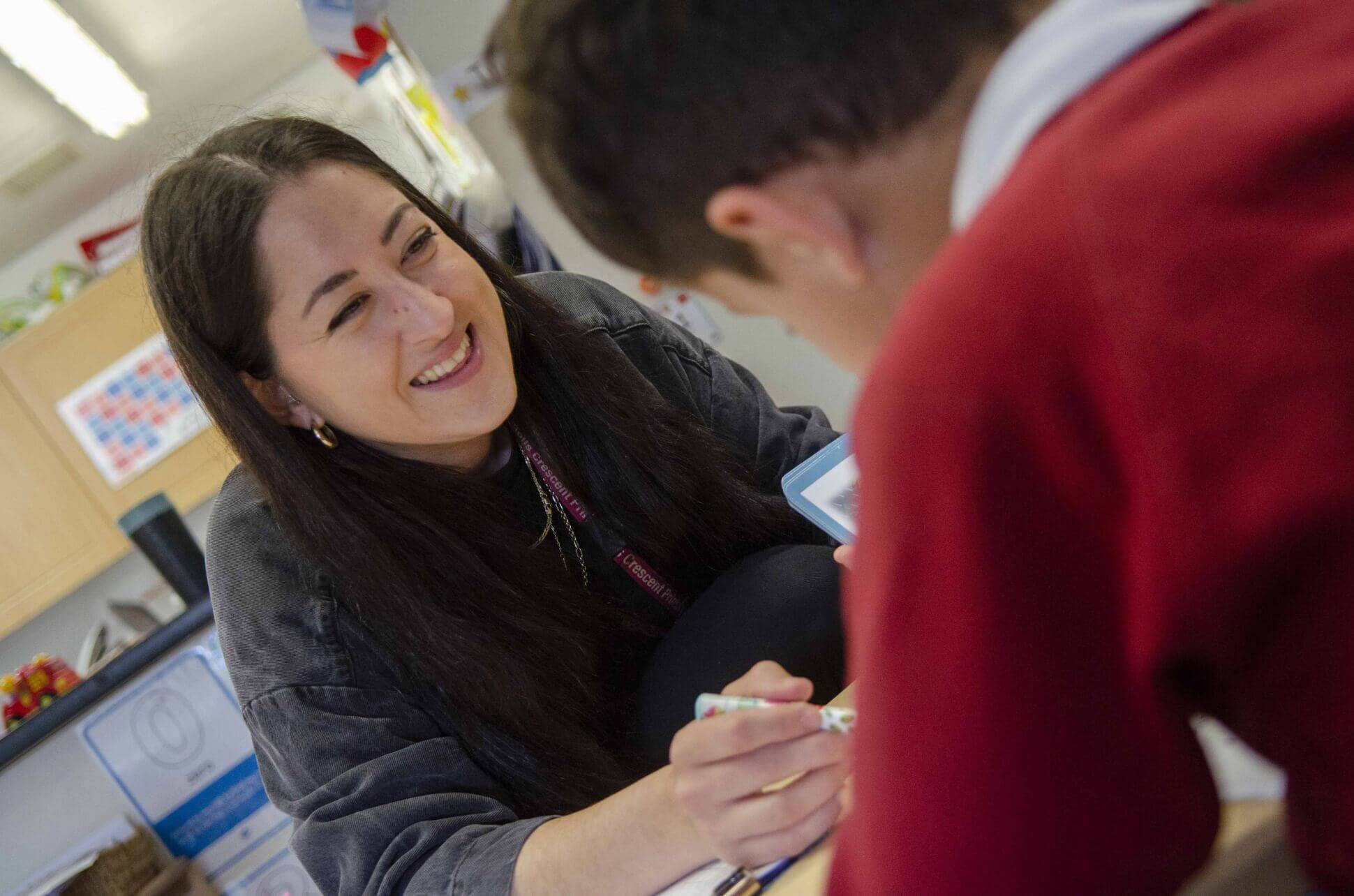
This blog explores Emotional Barriers to School Attendance (EBSA) and its impact on children’s speech, language and communication needs.
Find out more
A wide range of additional resources to support you in your role. Please select an area of interest to browse and download the documents.
Some of our services require membership. If you are interested in accessing any of these areas, please complete our enquiry form.
Contact us to discuss how to purchase exclusive access to our resource area.
Find out more
Find out what’s in our inclusion strategy toolkit.
View our toolkit
Expert guidance and quality resources to support mental health across your setting.
View Manchester WSCA
Take a listen to our latest podcast episode, Rethinking Education episode 21 with special guest Helen Marriott. All episodes now available.
Click here to listen
Find out what’s in our inclusion strategy toolkit.
View our toolkit
Working across a breadth of leadership, business support and pupil facing services, we are proud to be the partner of choice for schools and trusts across the country.
Discover what our Attendance Support looks like in action in this case study, focusing on how we worked together with Elton Primary School to improve attendance outcomes.
Find out more
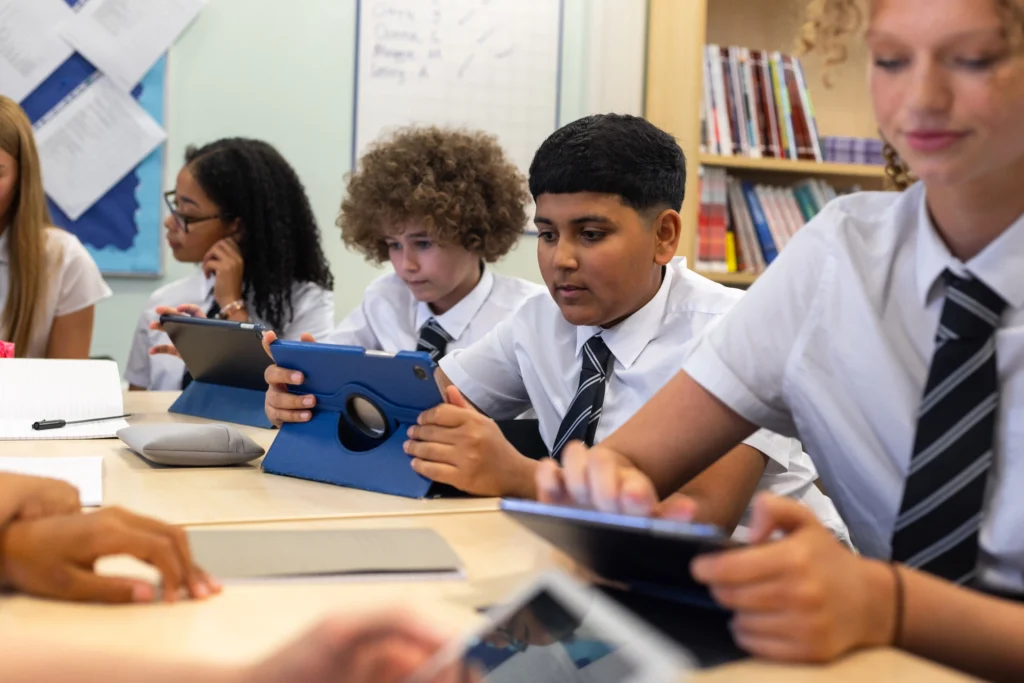
Now that we are four years on from the publication of the digital and technology standards for schools and colleges, we discuss why standards still matter and the support available for school leaders.
Find out more

Our safeguarding services for schools, academies and trusts help build a strong, proactive safeguarding culture across your education setting. We ensure every child is safe, supported and ready to learn, while helping your organisation meet safeguarding responsibilities and best practice standards.
We all share a duty to protect the physical and mental wellbeing of children. Our safeguarding specialists work with schools to create strong, reliable systems that keep children safe.
We help you embed a lasting culture of safeguarding across your school. With the right support, your safeguarding and child protection arrangements can be nothing less than outstanding.
Our wide range of CPD safeguarding training ensures staff at every level can recognise the signs of abuse. We also train staff to report concerns clearly and effectively.
The government’s Working Together to Safeguard Children 2023 document requires Safeguarding Lead professionals to receive appropriate supervision, echoed by learning from child practice reviews.
We provide supervision that goes beyond compliance, advocating best practice informed by the latest research and critical reflection.
NSPCC qualified and highly experienced, our professional supervisors will ensure you have all the support you need, from quality assuring casework to managing the emotional challenges associated with the role.
Our specialists will help you to review your school, academy or trust’s safeguarding and child protection arrangements. We will help with identifying areas of strength and potential development. The assessments includes:
We will hold discussions with staff members, senior leaders and pupils throughout the day. Supporting documents can also be shared as part of the process. We will assess your school alongside statutory guidance and Ofsted expectations, providing a report and action plan with recommendations for future practice.
Child Practice Reviews highlight the need for strong information sharing, recording, and reporting in safeguarding.
Our safeguarding consultants review your current systems, this helps ensure you meet all statutory duties for record keeping and information sharing.
We work closely with your Designated Safeguarding Lead (DSL) to assess incident logs and review interventions. This ensures your records support the best possible outcomes for every child.
Schools face growing pressure to protect pupils from external risks and harm. This means the role of the Designated Safeguarding Lead (DSL) is more demanding than ever.
Our mentoring service supports both new and experienced DSLs. Sessions give you time to reflect on safeguarding procedures, review current law, and apply best practice in your school.
As a trusted mentor, we act as a critical friend. We share updates on safeguarding risks at local and national levels. We also give guidance on key areas such as:
Our team can tailor each support package to reflect the needs of your school. We understand the challenging situations that schools can be faced with and can quality assure your processes throughout the year to ensure that you are effectively safeguarding your pupils. From in-house support and assessment to supervision, we will ensure you have the tools to create a safe and supportive learning environment.
Highly qualified and experienced, our consultants can support you with policy and practice development, ensuring your school is compliant with the latest safeguarding legislation and national guidance. We will review your current procedures and make any necessary updates, always in line with your school community and vision. We can also work with schools to develop parent and child-friendly policies to reinforce the whole school responsibility.
With a variety of training and CPD options available, our specialists will help to embed effective safeguarding practice within your school. Our training sessions are CPD-certified.
Our DSL training is tailored for both new and experienced practitioners. Each course meets the statutory requirements set out in Keeping Children Safe in Education.
We also provide safeguarding briefings on extra-familial risks. Topics include:
Schools can also request bespoke training packages. These ensure senior leaders are confident that every staff member understands their duty to safeguard pupils across the whole school year.
Each half term we deliver a FREE, live, virtual Safeguarding Spotlight on a specific topic of interest for safeguarding leads to access online. From Knife Crime, Honour-Based Abuse, Misogyny and Adultification, we ensure that professionals are kept up to date
Safeguarding Resource Package
We have a large team of accredited and experienced professionals, including education practitioners, qualified counsellors, and supervisors trained by the NSPCC. With a deep understanding of safeguarding and associated legislation, we can support every member of staff in your school or trust, giving them the confidence to identify risks, raise concerns and effectively respond to challenges.
Our working relationships with leaders, governors/trustees, and school staff are based upon professional challenge and the opportunities to learn and develop.
This sleep exercise offers relief for people who wake in the middle of the night and struggle to get back to sleep.
Safeguarding in schools is the process of protecting children from harm and promoting their well-being. It’s a collaborative effort that involves all stakeholders including pupils, parents and staff, from teachers to lunchtime supervisors.
All schools must adhere to keeping children safe in education (KCSE). Safeguarding ensures a safe and supportive environment where children feel happy and can learn to their full potential. As teachers and staff are responsible for children’s wellbeing, safeguarding helps to identify and address any issues that could be affecting a child’s safety or well-being.
Every adult is responsible for keeping children safe in education, including;
Teachers, teaching assistants, lunchtime supervisors, and any adult who comes into contact with children have a responsibility to be aware of safeguarding issues and report any concerns.
Every school has a DSL; a senior member of staff responsible for safeguarding. They are the point of contact for staff with concerns and oversee the school’s safeguarding procedures.
Contextual safeguarding recognises that children can be at risk from a variety of factors in their lives, not just abuse or neglect within the family home.
It includes things such as, criminal and sexual exploitation, online grooming, vulnerablility to radicalisation.
Contextual safeguarding is also referred to as extra-familial harm.
A safeguarding policy is a formal document that outlines the school’s procedures for protecting children. It details how staff should identify, report, and respond to concerns about a child’s safety.
Safeguarding is a broader term encompassing protecting children from harm and promoting their well-being. Child protection is the specific intervention when a child is believed to be at immediate risk of abuse or neglect.
Safeguarding helps to prevent child protection situations from arising.
DSL stands for Designated Safeguarding Lead.
CSE stands for Child Sexual Exploitation.
ACE stands for Adverse Childhood Experiences. These are potentially traumatic events a child may have experienced, such as neglect or abuse.
SCR stands for Serious Case Review. This is a process undertaken when a child dies or is seriously injured, and abuse or neglect is suspected, these are also referred to as Child Practice Reviews.
In schools, you may also see SCR used to refer to the Single Central Record, which is the record held by schools about their staff including DBS status, qualifications and training that they have accessed as well as statutory safer recruitment checks that have been undertaken.
CCE stands for Child Criminal Exploitation, a form of abuse whereby children are groomed into performing criminal acts such as dealing drugs or concealing weapons.
Early help refers to identifying and addressing concerns before they escalate into more serious problems.
Child on child abuse refers to bullying, cyberbullying, or physical violence or sexual abuse between children.
Keeping Children Safe in Education states that staff should receive safeguarding training on beginning their role and then receive regular training and updates at least annually. The Designated Safeguarding Lead must access statutory training every 2 years.
The 6 principles of safeguarding are:
Evidence suggests that children with special educational needs or disabilities are 3.7 times more likely than their peers to become a victim or abuse or neglect.
It may be that a child who is socially isolated is therefore more susceptible to being groomed or radicalised online.
Or perhaps their communication difficulties and trust in adults and other children can make them more vulnerable. Safeguarding strategies are then put in place involving alternative communication methods, increased staff observation, and tailored procedures that consider their specific needs.
This is achieved through stronger partnerships between schools, families, and specialists to create a comprehensive support network for each child.
Ofsted seeks a school with strong safeguarding practices, evident in clear policies, trained staff, a capable DSL, open communication, and information sharing as well as a well embedded culture of safeguarding throughout the school.
They’ll also assess how the school tackles specific risks and maintains proper safeguarding records.
Register you interest today and we will contact you to discuss how to purchase exclusive access to our resource area.
As a One Education member, you will gain immediate access to high-quality content, supporting you to support your pupils.
Register your interest to discuss how to purchase exclusive access to our resource area.
Please fill in your details below to receive our free brochure.
Please fill in your details below to sign up to our newsletter.
Please fill in your details below to receive a call back from a member of our team.