


In this blog, we chat to Clinical Lead and Dramatherapist of the CPE Team, Amy Woodfield, to learn how the Adoption Support Fund can help to provide therapy for adoptive families.
Background
The Adoption Support Fund provides funding for therapeutic services for children and young people who have been adopted, as well as their families. This was established to ensure adoptive families receive the support they need to help children settle into their new homes and promote a positive family life. Support is also available for children in foster care and those under special guardianship orders (SGOs).
Whilst mental health difficulties can impact people from all walks of life, adopted children are more likely to be affected due to their early childhood experiences. Adopted children can struggle with questions of identity and belonging, as well as feelings of loss, guilt, and rejection. These factors may contribute to behavioural difficulties such as aggression, withdrawal, or emotional dysregulation.
When an adoptive family requires therapeutic support, a social worker will work with them to carry out an assessment and identify the best services to match their needs. Often, adopted children are referred for Creative Psychotherapy, which can be beneficial for those who do not have the necessary vocabulary to articulate their memories of early life trauma.
What does therapy for adoptive families look like?
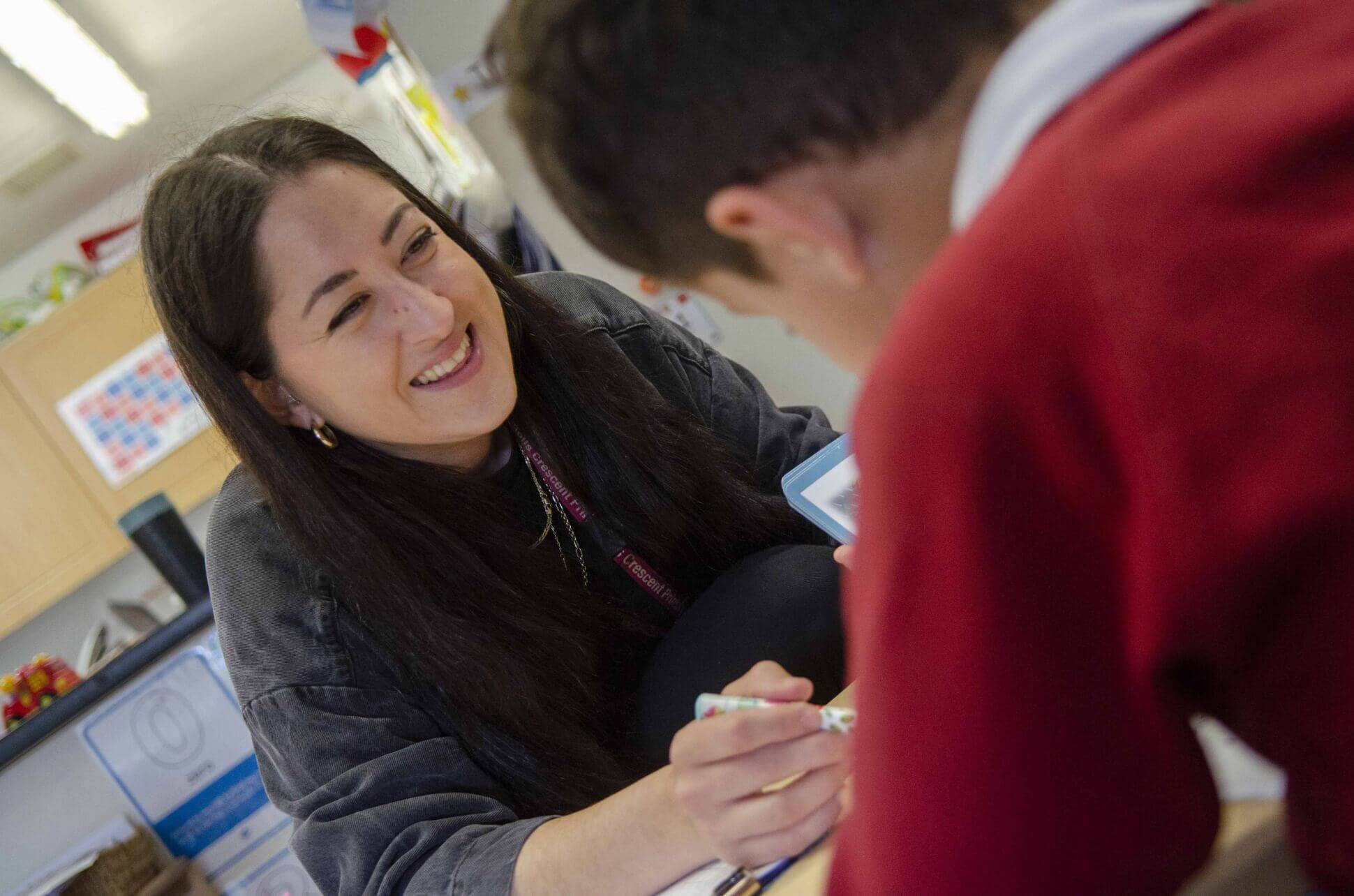
Due to early experiences of trauma and insecure attachment, we aim for adopted children to receive long-term interventions so they can develop a meaningful therapeutic alliance with their therapist. This will be a minimum of 12 sessions, but children often receive between 25 and 35 sessions per year. One-to-one therapy sessions provide a creative space where children can explore complex emotions through drama, role-play, storytelling, or another form of creative expression.
Depending on the child’s needs, we can also offer parent-and-child sessions. Often, adopted children have missed out on early experiences with their adoptive families. We will revisit those experiences through theraplay-informed sessions. We can help to identify the child’s area of need, whether in nurture, structure, engagement, or challenge, and support parents to meet those needs through games and play. This helps them to develop attunement and strengthen relationships.
We also offer therapeutic parenting sessions, which gives parents a space to reflect on their child’s needs and explore the principles of Dyadic Developmental Psychotherapy and PACE (playfulness, acceptance, curiosity, and empathy). When children have experienced trauma, it can be difficult for parents to effectively guide them through heightened emotions and behaviours. However, these approaches support parents to develop healthy patterns of communication, manage challenging behaviour, and build meaningful connections.
What are the outcomes?
A lot of young people find it difficult to discuss their birth family with their adoptive parents, so therapy gives them a safe space to talk to someone who is completely independent from the family. Over the course of the therapy, children will learn how to deal with feelings of loss, frustration, and trauma, which facilitates further bonding and building trusting relationships with their adoptive families. Sometimes, children may want to learn more about their birth family and even reconnect with them. We can support them through this process and help them to manage the difficult thoughts and feelings they experience.
Sometimes, we will identify other stressors at play within the adoptive family. For example, parents will sometimes feel grief for losing a child before adopting, or not being able to conceive. We will work with parents to overcome their own feelings of loss, whilst enhancing their understanding of the different attachment styles. This helps them to empathise with their child’s point of view. We share strategies so parents can support their child to improve their resilience and emotional regulation, ensuring families are well-equipped to continue reinforcing the child’s sense of security.
We know that adopted children may feel disconnected from their sense of self, or struggle with feelings of loss
and separation. By creating and exploring narratives together, we can help children to not only develop a better understanding of their own life story and identity, but navigate transitions and endings. This helps to improve the child’s self-esteem and resilience. We can also work with teachers and support staff to ensure children continue to receive the support they need with self-regulation and sensory processing, allowing them to develop the skills they need to flourish in the classroom and beyond.

Meet the Therapist
Whilst working as a theatre practitioner, youth worker, and then in young offenders institutes, I witnessed the positive impact of Drama as a therapeutic tool. I qualified as a HCPC registered Dramatherapist in 2010 and have since specialised in understanding the impact of trauma and attachment on children. I’ve supported many foster families and adoptive children through my work in schools and with a psychology company. With One Education, I’m continuing to support young people, their families, and other psychotherapists to facilitate healthy attachment and trauma recovery.
Get in touch with our CPE Team to learn more about our services.