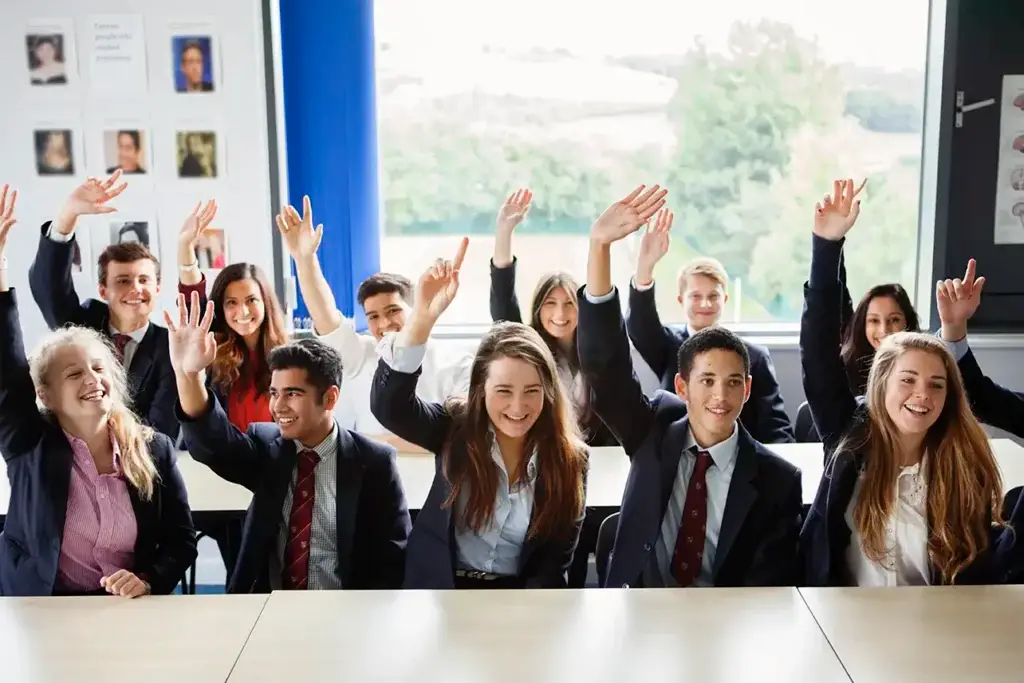

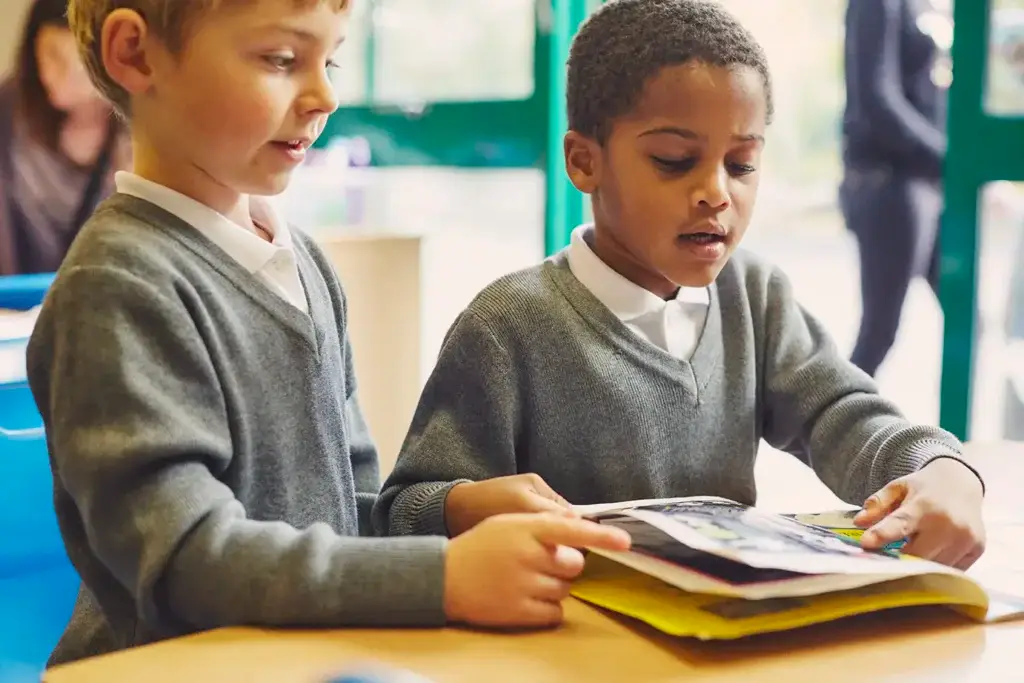
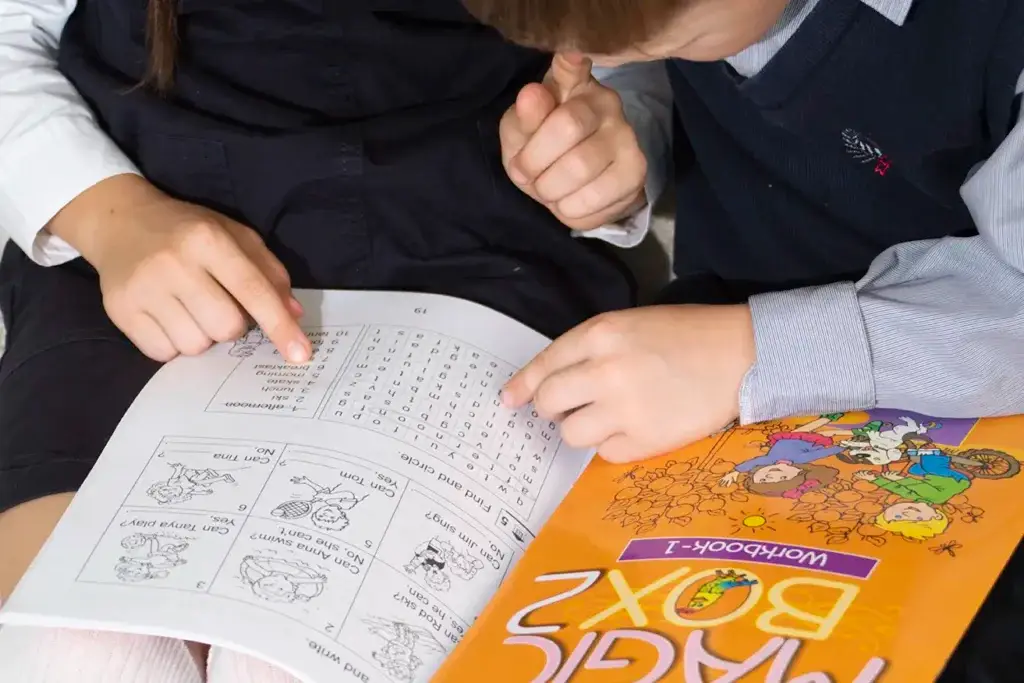
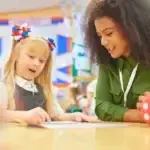

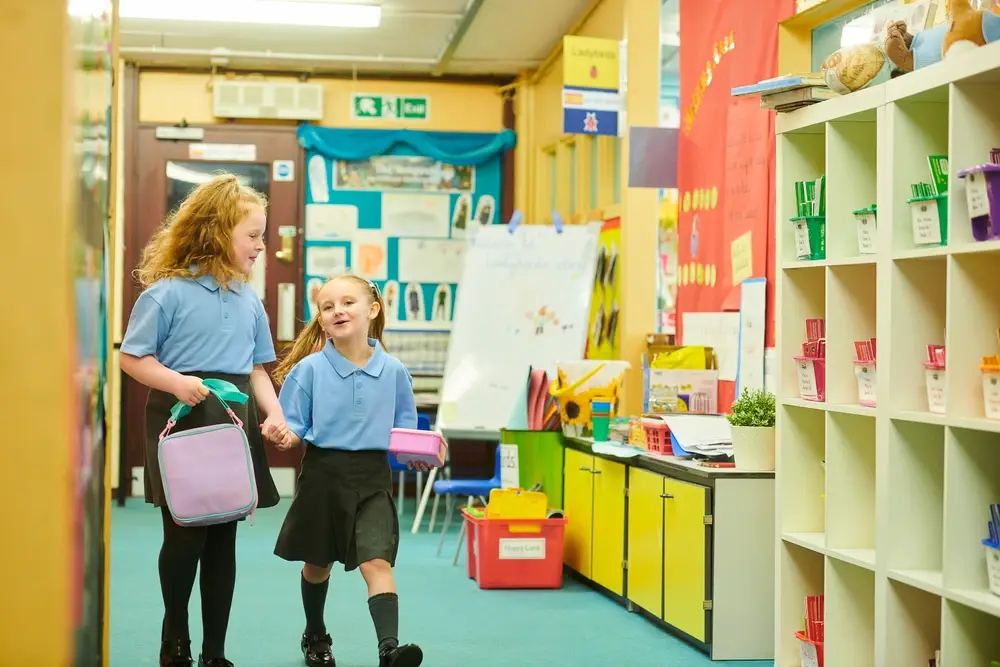
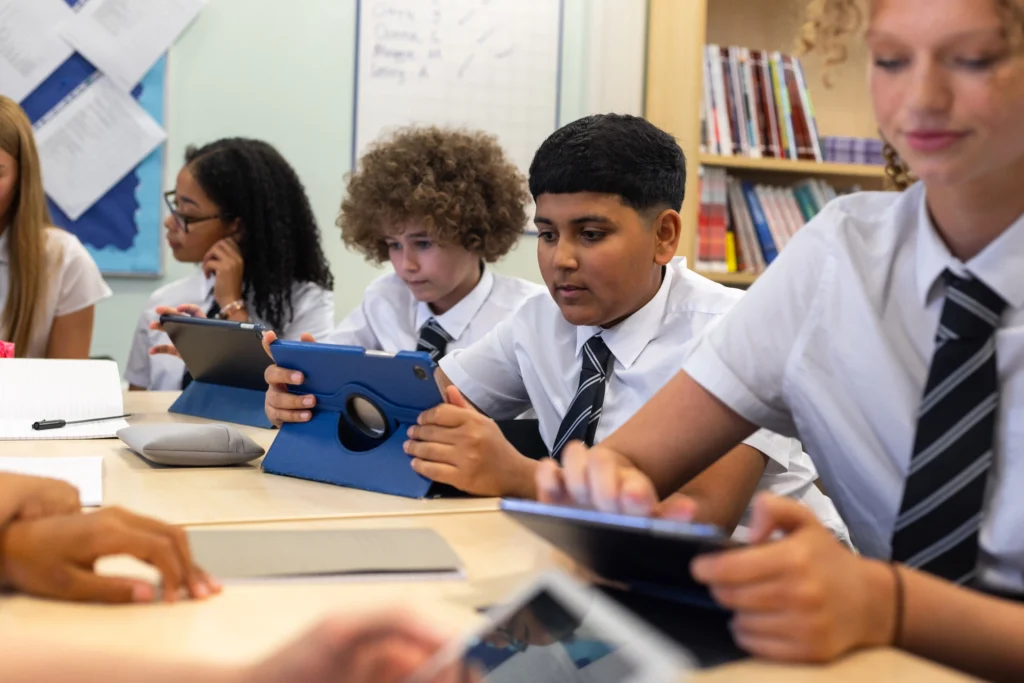
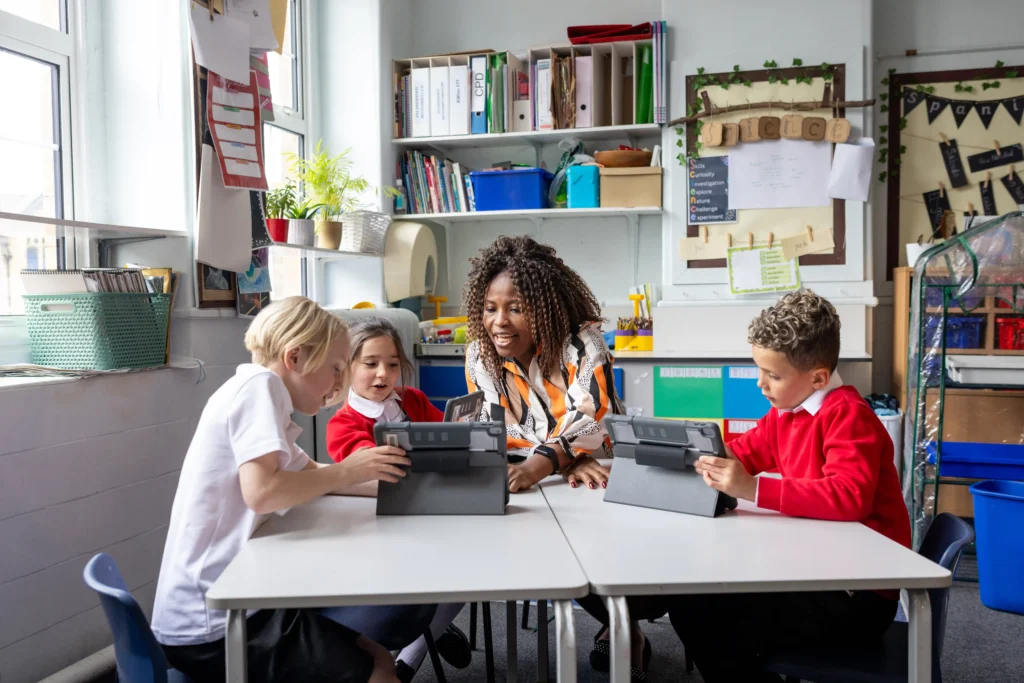

For schools, photography plays an important role in telling their story. A smiling child in a classroom, positive interactions with teachers, children playing together outside, these moments help parents imagine what daily school life actually feels like for their children. Recent reporting by The Guardian highlighted growing concerns from safeguarding experts, the National Crime Agency (NCA), and the Internet Watch Foundation (IWF) around the misuse of pupil images taken from school websites and social media. The article reported that some schools are now actively removing or reducing publicly accessible pupil photography due to fears surrounding AI-generated abuse imagery.
This isn’t just a headline, more and more schools are raising concerns about how AI could enable the misuse of images. It’s something I’m discussing often in school meetings. Headteachers fully understand the importance of strong school marketing – in many cases admissions depend on it – but they are increasingly worried about how to safeguard pupils and staff from deepfakes, explicit AI generated content and other forms of online abuse.
Speaking with our Head of Safeguarding, Jess Lane, it is clear just how seriously schools must now treat the risks surrounding AI-manipulated imagery. Jess shared her perspective on the growing concerns facing pupils, parents, and education settings, “It is clear that AI generated harmful content is clearly a concern for children and their parents. The UK Safer Internet Centre report that 60% of 8–17-year-olds are worried that AI may be used to create inappropriate or sexual content of themselves or their peers. 65% of parents are also concerned about AI generated images of their children being created. School websites may be targeted due to the volume of images of children that are easily accessible, but also because education settings take safeguarding seriously and will go to great lengths to safeguard their pupils. In a recent incident, UK police required support from the Internet Watch Foundation in helping to block indecent images of children that had been sourced from a school’s website and altered using AI. The school were sent these criminal images by blackmailers who threatened to distribute them more widely if school did not pay them money.”
While photography remains one of the most powerful tools in school marketing, schools and parents are becoming increasingly aware of the risks that come with sharing images of children online.
As discussed in my pervious blog, one of the strongest messages emerging from parent research is that families are not simply looking for academic data and Ofsted reports. Parents are often making decisions based on perception and trust, and whether they believe their child will feel safe, supported, and happy. Photography has traditionally helped schools communicate exactly that. Images of pupils and staff can instantly demonstrate happy children, nurturing learning environments, a strong school community and warm relationships, but the challenge is now balancing authenticity with safeguarding.
AI tools are now capable of scraping publicly available images, manipulating photographs, and reusing content without permission. Images that are completely innocent can be downloaded and repurposed in ways schools never intended.
So what does this mean for school photography?
This doesn’t mean schools should stop using images of their pupils and staff altogether. In fact, authentic imagery remains incredibly important in helping schools stand out, particularly in an increasingly competitive admissions landscape. However, as the digital landscape evolves, so too must the policies and practices surrounding the use of school photography.
To help schools balance safeguarding considerations whilst still retaining a competitive advantage, we are advising school leaders to adopt best practice when it comes to images of pupils and staff on their websites and social media accounts.
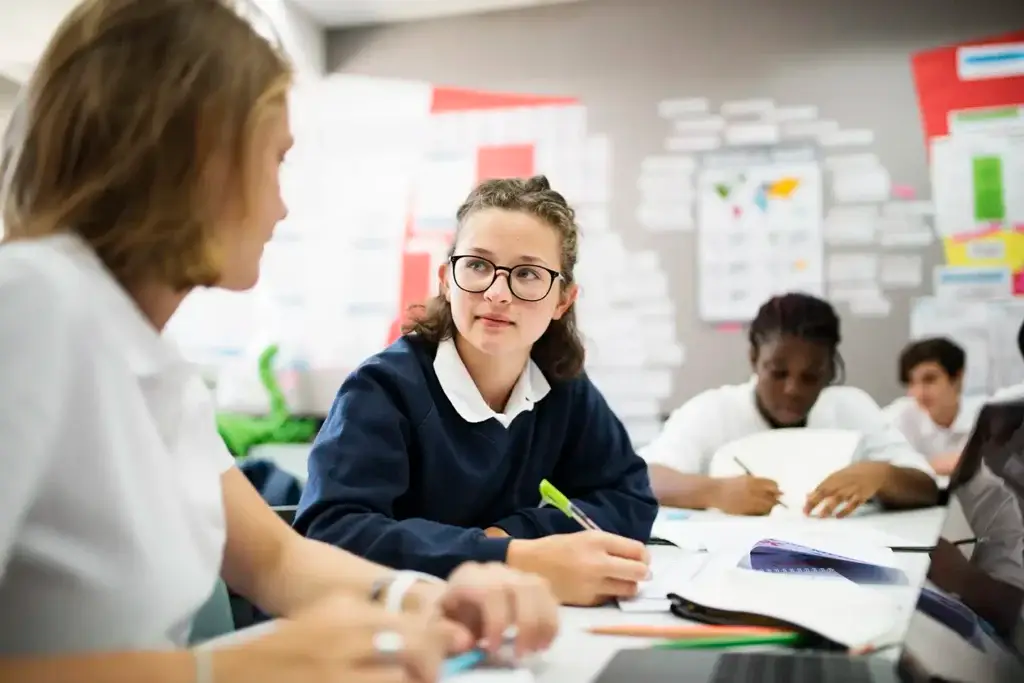
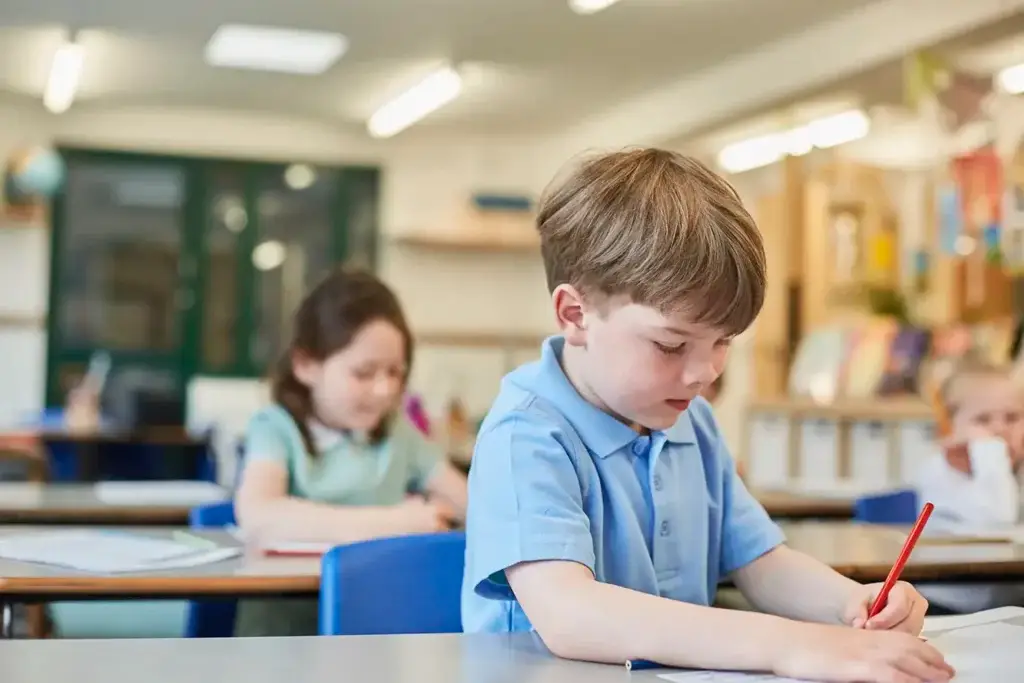
- Wider classroom scenes
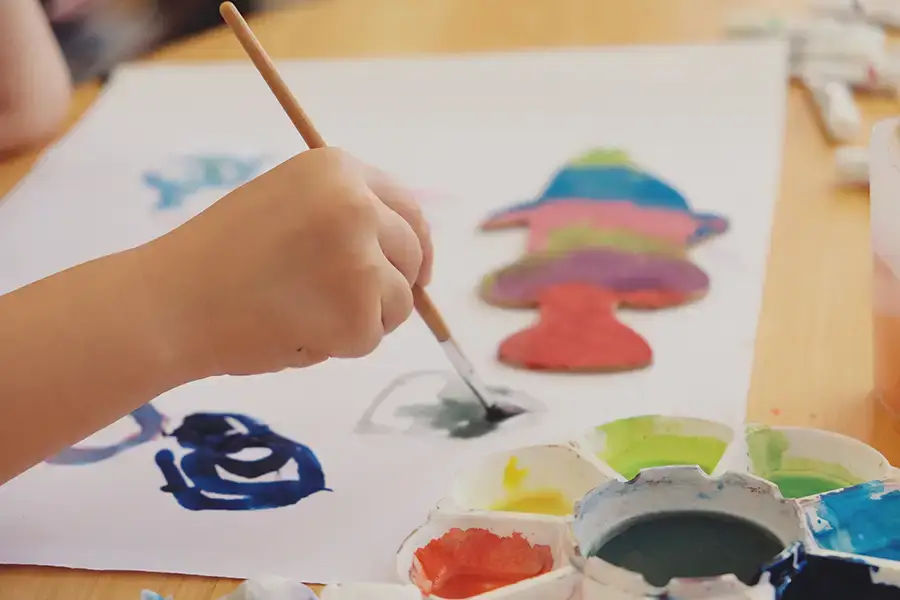
- Activity-led photography
- Over the shoulder shots
- Group participation imagery
- Removing older website photography after one or two academic years
By taking these easy steps, you can help to reduce safeguarding risk by limiting the amount of clearly identifiable pupil imagery that can be scraped or repurposed by AI systems.
Photography will always remain an important part of how schools communicate with families. What is changing is not the value of photography, but the way schools think about using it online. If schools are thoughtful about the kinds of images they share, how their websites are managed, and keep safeguarding in mind, they can still tell their story visually while adapting to the changes AI is bringing. In many cases, more natural, activity-led photography can create even stronger and more authentic imagery.
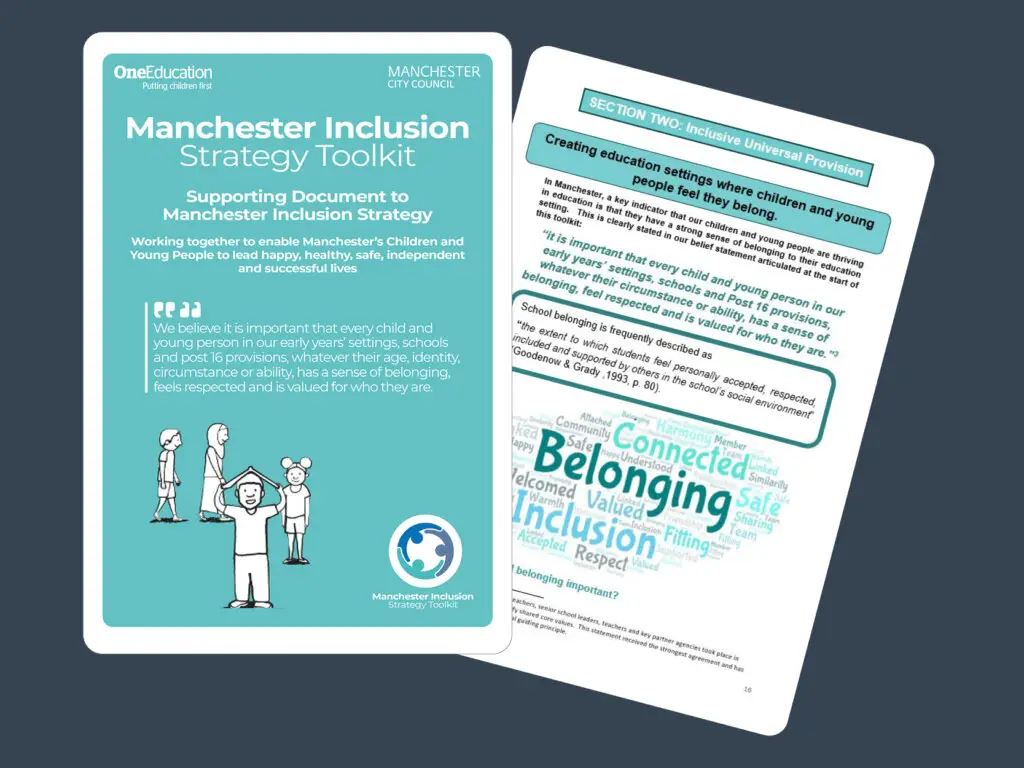
At One Education we support schools with photography that balances both priorities: creating authentic visual content that reflects school culture while encouraging a safeguarding conscious approach to how pupil images are shared online.
Get in touch with our Marketing Team for further information and advice.