


A friend recently told me about a note that had been pushed through their door. It was from a refugee who had seen the “We welcome refugees” poster displayed in their window.
The note simply thanked them.
The person explained that, since arriving in this country, the overwhelming message they had picked up was that they were not wanted. They had felt judged, feared, resented and treated as though their presence was a problem. But that small poster in a window had given them something profoundly important: hope. It had bolstered their sense that perhaps they might be able to belong here after all.
That story has stayed with me because it captures something we see often in our work with unaccompanied children and young people. Belonging is not an abstract idea. It is felt in the body. It is communicated through small gestures, the tone of a room, the welcome at a door, the way a professional says a young person’s name, the assumptions made about them, and whether they are met first as a person or as a problem.
For teenagers, this matters enormously.
Adolescence is already a time of profound transition. Young people are moving through puberty, navigating identity, relationships, independence, emotional intensity and rapid brain development. The adolescent brain is not “broken” or “difficult”; it is under construction. It is pruning, strengthening, adapting and reorganising. Teenagers need parents, peers, extended family, trusted adults and community around them to help them make sense of themselves and the world. They need co-regulation before they can fully self-regulate. They need people who can lend them calm, reflect back their worth, and help them hold big feelings without being overwhelmed by them.
For unaccompanied young people seeking asylum, this developmental task is taking place in circumstances that are almost unimaginable.
Many of the young people we work with have travelled through extreme hardship, danger and trauma. Some are managing news that family members have died. Some do not know when, or if, they will ever see their parents, siblings or wider family again. Some are carrying responsibility far beyond their years. Many are trying to learn a new language, understand unfamiliar systems, build friendships, attend education, and make sense of who they are becoming, all while living with uncertainty about their future.
And too often, they are doing this in a wider social climate that tells them they are not wanted.
They may hear themselves described as “scroungers”, “criminals” or “liars”. Their age may be doubted. Their stories may be questioned. Their vulnerability may be overlooked because they present as tall, guarded, angry, silent, capable or streetwise. Yet behind these presentations are young people who may be frightened, bereaved, ashamed, confused, lonely and desperate to belong.
It is important to remember that many young people seeking asylum want to give. They want to contribute. They want to learn, work, help their families, build futures and be seen as more than what has happened to them. But when a young person is isolated, traumatised, without family protection, and unable to access timely mental health support, they can become vulnerable to exploitation, harmful relationships, unsafe choices or situations where others take advantage of their need for connection.
This is why our work with unaccompanied young people must be relational, creative, trauma-informed and community-minded.
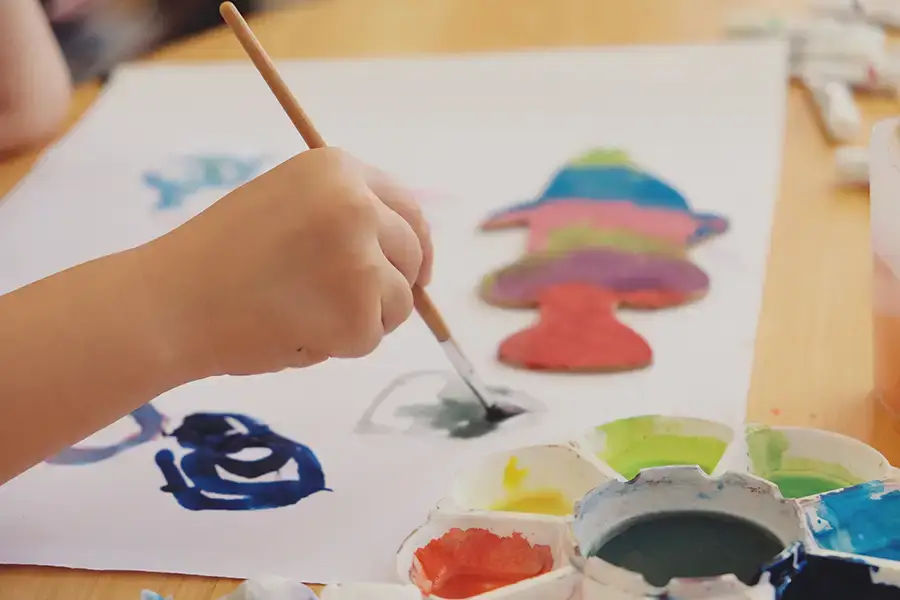
Creative arts therapies can offer a vital space where young people do not have to rely only on words. For those who are learning English, or for whom words feel too exposing, art, music, drama, movement and play can provide other ways to communicate experience, identity and hope. These approaches allow young people to explore who they are, what they have survived, what they miss, what they fear, and what they dream of becoming.
In this work, we are not asking unaccompanied young people to retell trauma before they are ready. We are offering rhythm, relationship, emotional containment and symbolic expression. We are helping them experience safety in small, repeated ways. We are supporting regulation through creativity, consistency and connection.
A drumbeat can become a shared pulse.
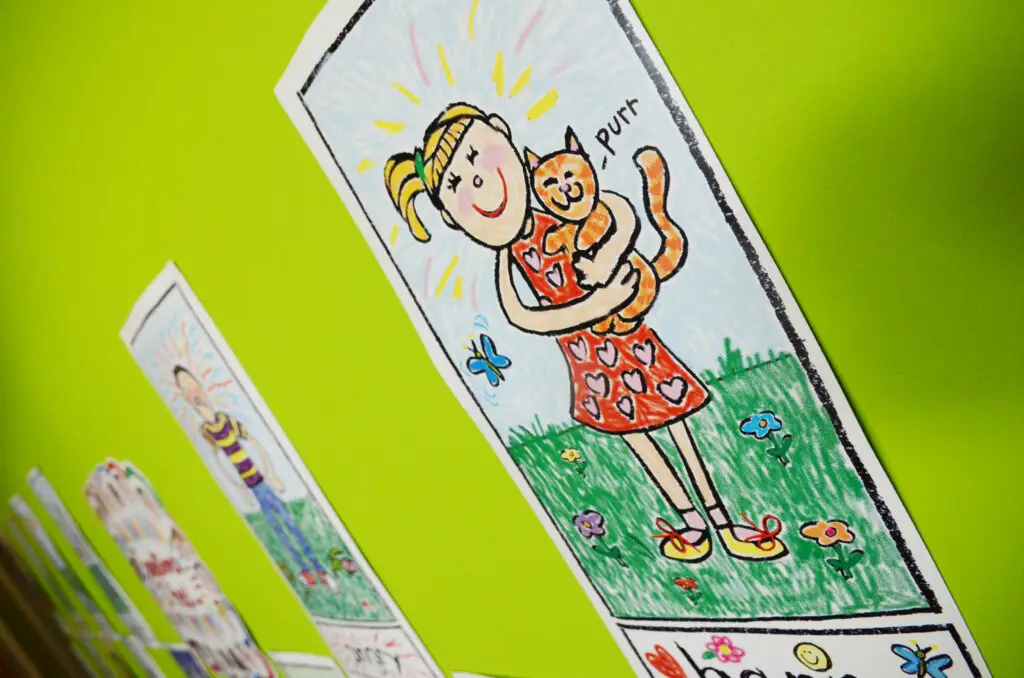
A drawing can hold what cannot yet be spoken.
A role or story can allow a young person to explore strength, loss, courage or fear at a safe distance.
A group can become a place where someone feels less alone.
A trusted adult can become part of the scaffolding that helps a young person keep going.
For any teenager, identity is shaped in relationship: Who sees me? Who believes in me? Who welcomes me? Who helps me understand my feelings? Who reminds me I matter when I feel lost?
For unaccompanied young people, these questions are urgent.
They need more than accommodation and a place in education, although both are essential. They need communities that understand adolescence. They need professionals who can look beneath behaviour and presentation. They need adults who recognise the impact of trauma, grief, racism, displacement and uncertainty. They need peers, mentors, teachers, housing workers, therapists and neighbours who can help create a network of belonging.
Sometimes that support will be specialist and therapeutic. Sometimes it will be practical and consistent. Sometimes it will be as simple as a poster in a window that says: you are welcome here.
The note through my friend’s door reminds us that hope can be communicated in small acts. But it also reminds us of something more uncomfortable: that many people seeking safety are walking through our communities feeling unwanted.
As services, schools and communities, we have a responsibility to notice the messages we are sending. Are we meeting young refugees with suspicion or curiosity? Are we reducing them to risk, immigration status or behaviour? Or are we recognising them as young people in the middle of adolescence, separated from family, carrying grief and uncertainty, and still trying to grow?
Our work with unaccompanied young people is ultimately about restoring human connection. It is about helping young people feel that their lives are not only defined by loss or survival, but also by possibility. It is about creating spaces where they can regulate, relate, imagine and belong.
Because every young person needs someone to help them hold hope until they can hold it for themselves.
And sometimes, that hope begins with a simple message:
You are welcome here.