








The Allure of the Screen
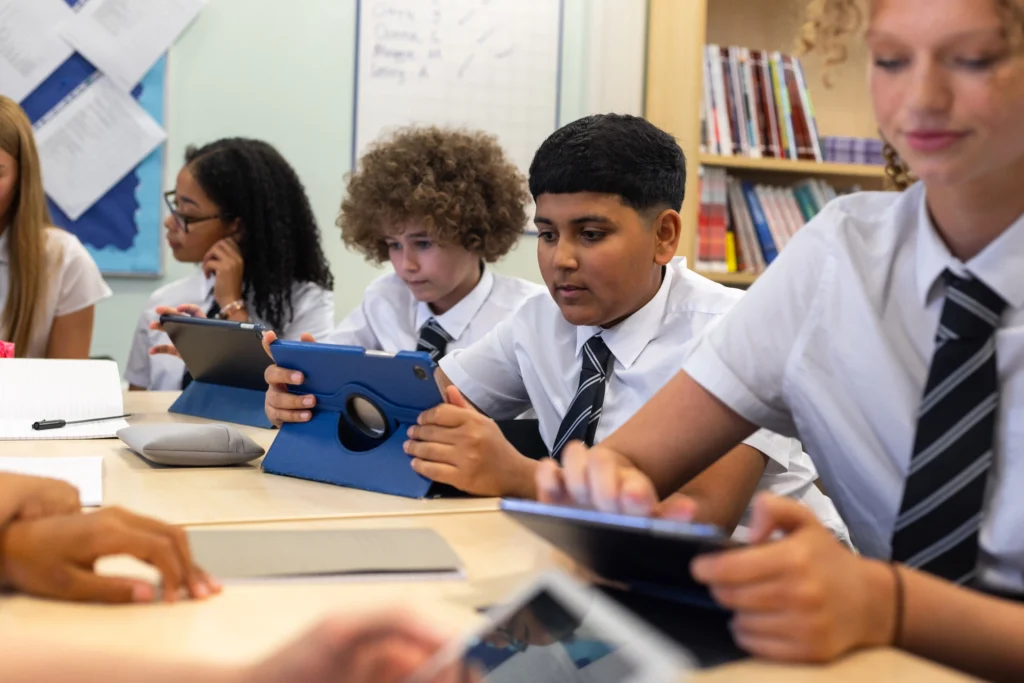
In today’s classrooms, iPads and tablets have become ubiquitous tools for learning and, increasingly, for behaviour management. When a child becomes distressed or disruptive, handing over a device can seem like a quick fix. However, research suggests that this reliance on digital devices to calm children may hinder their emotional development, particularly in those who have experienced trauma.
The Neuroscience of Emotional Regulation
Research indicates that frequent use of mobile devices to soothe young children is associated with decreased executive functioning and increased emotional reactivity. A study published in JAMA Pediatrics found that children aged 3 to 5 who were regularly calmed with the use of devices exhibited more emotional outbursts and had difficulty thinking clearly compared to those who were not.
This approach may impede the development of essential self-regulation skills, as children miss opportunities to learn how to manage their emotions through interpersonal interactions and coping strategies.
Case Study: “Ethan” and iPad Interventions
Consider “Ethan,” a 5-year-old in a UK primary school known for biting peers and staff during moments of distress. To manage these incidents, the school provided Ethan with an iPad whenever he showed signs of agitation. Initially, this strategy appeared effective, as it distracted him and prevented immediate outbursts.
However, over time, Ethan’s dependence on the iPad grew. He began to demand the device preemptively and exhibited heightened aggression when it was unavailable. His ability to cope with frustration without the iPad diminished, leading to more frequent and intense biting episodes.
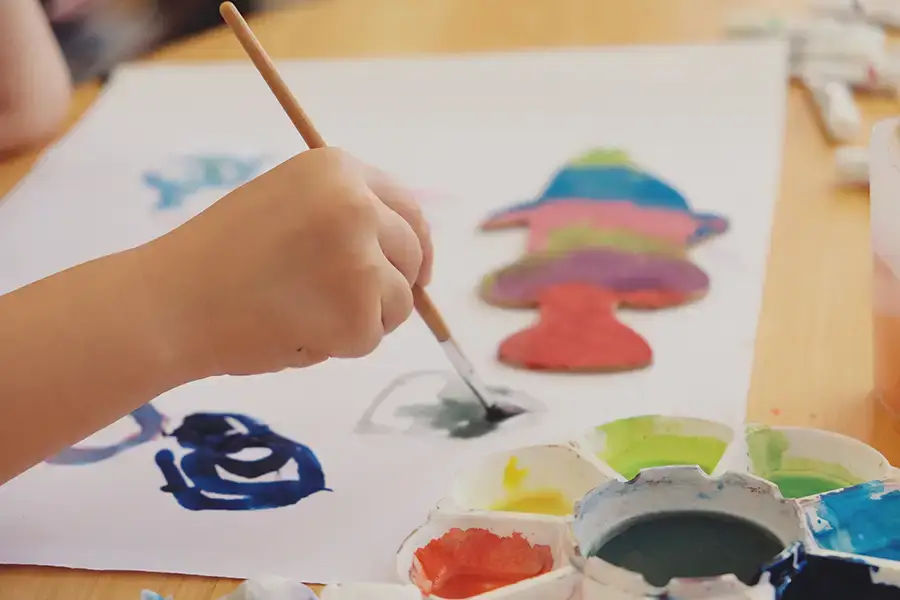
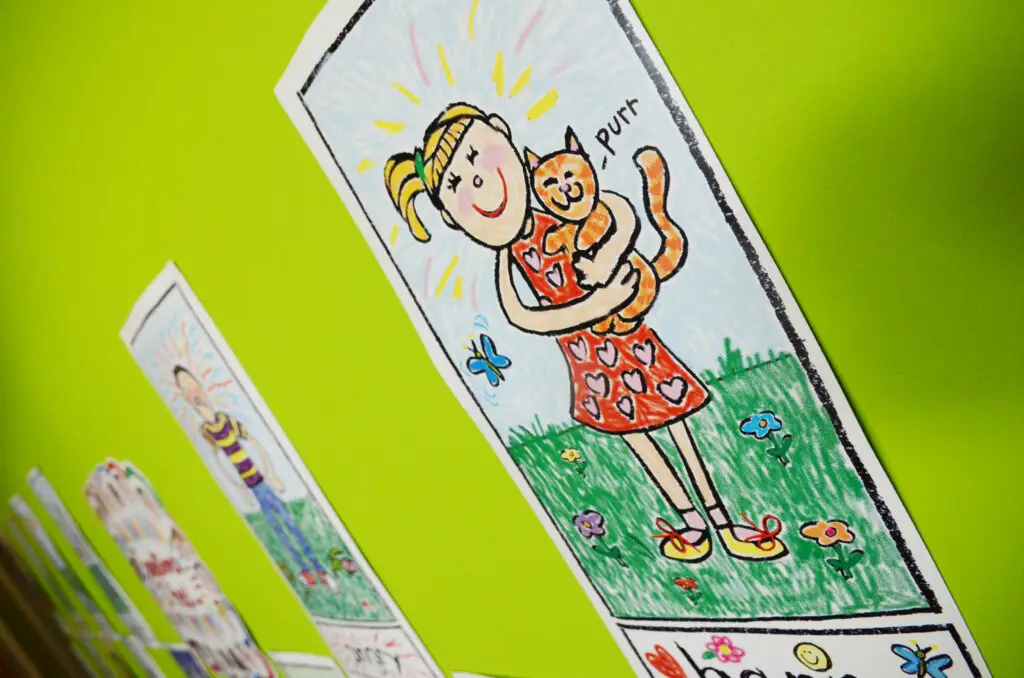
Recognising the issue, the school’s Creative Arts Therapies team intervened. They implemented a programme focusing on emotional literacy through art, music, and movement. Ethan was encouraged to express his feelings by drawing “anger monsters” and using percussion instruments to channel his energy. Over several months, Ethan’s reliance on the iPad decreased, and he developed healthier coping mechanisms, resulting in a significant reduction in biting incidents.
The Role of Creative Arts Therapies
Creative Arts Therapies offer alternative avenues for children to process emotions and trauma. Engaging in art, music, and movement allows children to explore and express feelings that may be difficult to articulate verbally. These modalities can be particularly effective for children who have experienced trauma, as they provide non-verbal outlets for expression and healing.
In Ethan’s case, the integration of Creative Arts Therapies facilitated the development of self-regulation skills and reduced his dependence on digital devices for emotional management.
It is important to remember that play has the unique capacity to repair trauma. Through imaginative, sensory, and relational play, children reprocess overwhelming experiences at their own pace, with the safety of attuned adults and symbolic distance. Whether it’s using puppets to re-enact a hospital visit or building a fort to feel safe, play enables children to restore agency, integrate fragmented memories, and regulate overwhelming feelings. It is active, creative, embodied and profoundly reparative.
Contrast this with screen use. iPads, when used as a soother, bypass emotional expression and dull down the body’s natural cues. The child appears calm, but only because they’ve dissociated or numbed out. The trauma hasn’t been processed, it’s been deferred. And with repeated use, the child doesn’t build resilience or understanding. Instead, they learn that discomfort equals shutdown, not resolution.
This is why we advocate for play-based, creative interventions instead of digital pacifiers. Screens may temporarily quiet the storm, but play teaches the child how to sail through it.
Recommendations for Schools
- Limit Screen Use for Emotional Regulation: Avoid using iPads as a primary tool for calming distressed children.
- Implement Creative Arts Therapies: Incorporate art, music, and movement-based interventions to support emotional expression and regulation.
- Provide Staff Training: Educate teachers and support staff on trauma-informed practices and alternative strategies for managing challenging behaviours.
- Engage Parents and Caregivers: Collaborate with families to ensure consistency in approaches to emotional regulation both at school and at home.
Moving Beyond the Quick Fix
While iPads can serve as educational tools, their use to soothe emotional distress may impede the development of crucial self-regulation skills, especially in children with trauma histories. By embracing creative arts therapies and trauma-informed practices, schools can foster environments that support emotional growth and resilience, moving beyond quick fixes to sustainable, healing-centred approaches.
For more information on implementing creative therapies in educational settings, please contact our Creative Arts Therapy team.