



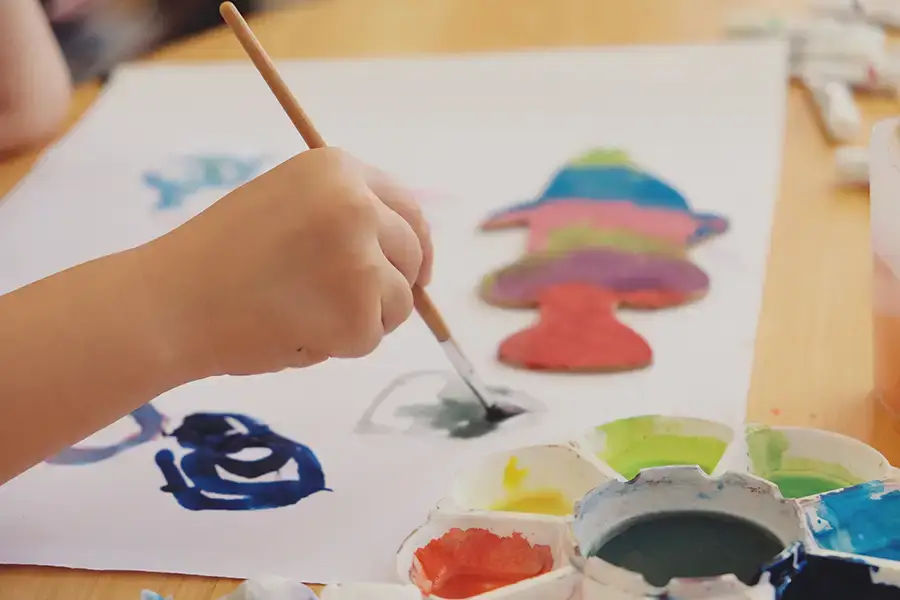





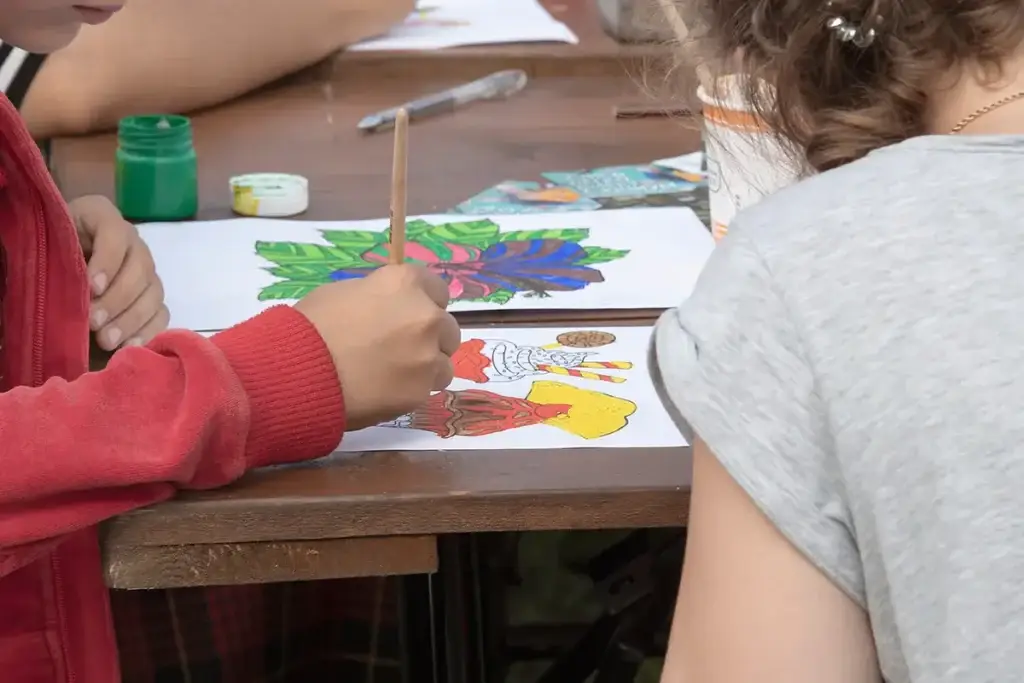

Creative Arts Therapy has a growing presence in schools and academy trusts across the country, as educators seek out alternative approaches to support pupils whose needs are becoming increasingly diverse and complex. Using the creative process, therapists work with children and young people to explore emotions, build self-awareness, and develop effective coping skills.
For SENDCos, teachers and support staff, understanding how to collaborate with Creative Arts Therapists is crucial. Without clear communication and collaborative planning, therapeutic interventions risk becoming isolated from a pupil’s broader school experience.
In this blog, we’ll explore how school staff can effectively collaborate with Creative Arts Therapists to ensure more cohesive, holistic support for pupils – especially those dealing with trauma, anxiety, emotional regulation difficulties, or social challenges.
How to Collaborate with Creative Arts Therapists
Establish Clear Objectives:
- Before reaching out, determine what you hope to achieve by collaborating with Creative Arts Therapists. Are you looking to address specific emotional or behavioural challenges among students, or are you interested in preventative measures to promote overall wellbeing?
Gather Relevant Information:
- Collect data regarding the needs of your pupils, including observations, assessment results, and feedback from parents or guardians. This information will provide context for your discussions and help the team understand the specific concerns and goals at your provision.
Request a Meeting:
- Contact the Creative Arts Therapies team to request a meeting. Be clear about your intentions and express your interest in exploring how their services can be tailored to fit your students’ needs.
Engage in Open Dialogue:
- During the meeting, discuss your observations and the challenges faced by your pupils. Be open to suggestions and encourage the team to share how their various therapeutic approaches (art therapy, music therapy, dramatherapy, or play therapy) can benefit the young people in your setting.
- Ask questions about their methods, the process of therapy implementation, and how they measure success and progress.
Collaboration on Assessment and Goal Setting:
- Work with the team to assess your pupils’ specific needs and collaboratively set goals for the therapeutic interventions. Establishing clear, measurable objectives will help guide the therapy process.
Develop a Referral Process:
- Establish a streamlined referral process for identifying students who would benefit from creative therapy. Collaborate with Creative Arts Therapists on how to effectively communicate these referrals while ensuring confidentiality and sensitivity.
Incorporate Professional Development:
- Discuss opportunities for professional development and training for your teaching staff. Understanding the principles behind Creative Arts Therapies will empower educators to better support pupils both inside and outside of therapy sessions.
Regular Check-ins and Feedback:
- Schedule regular follow-up meetings with the Creative Arts Therapies team to review progress, gather feedback, and adjust therapeutic strategies as needed. Open communication will enhance the collaborative effort and ensure that the needs of your pupils remain at the forefront.
- Clinical supervision and reflective practice groups have proven successful with teams working alongside young people and families who have or are experiencing ongoing trauma.
Involve Parents and Guardians:
- Work with the therapy team to create a plan for engaging parents and guardians in the therapeutic process. Provide them with information on the benefits of Creative Arts therapies and encourage their involvement in supporting their children’s therapeutic journey.
Celebrate Successes:
- Recognise and celebrate the successes that arise from the integration of creative therapies into your provision. Share positive stories and outcomes with the Creative Arts Therapies team, as well as with your school community, to highlight the impact of these interventions.
We hope these tips will help your school to collaborate with Creative Arts Therapists. As with any multidisciplinary approach, effective partnership can greatly enhance the therapeutic support available for children and young people. By engaging in open dialogue and aligning around common goals, school practitioners can help to ensure that therapeutic support complements the work already happening in the classroom and across the school community.
If you would like to learn more about our Creative Arts Therapy service, please get in touch. Together, we can cultivate a nurturing atmosphere that promotes emotional wellbeing, resilience, and personal growth.