





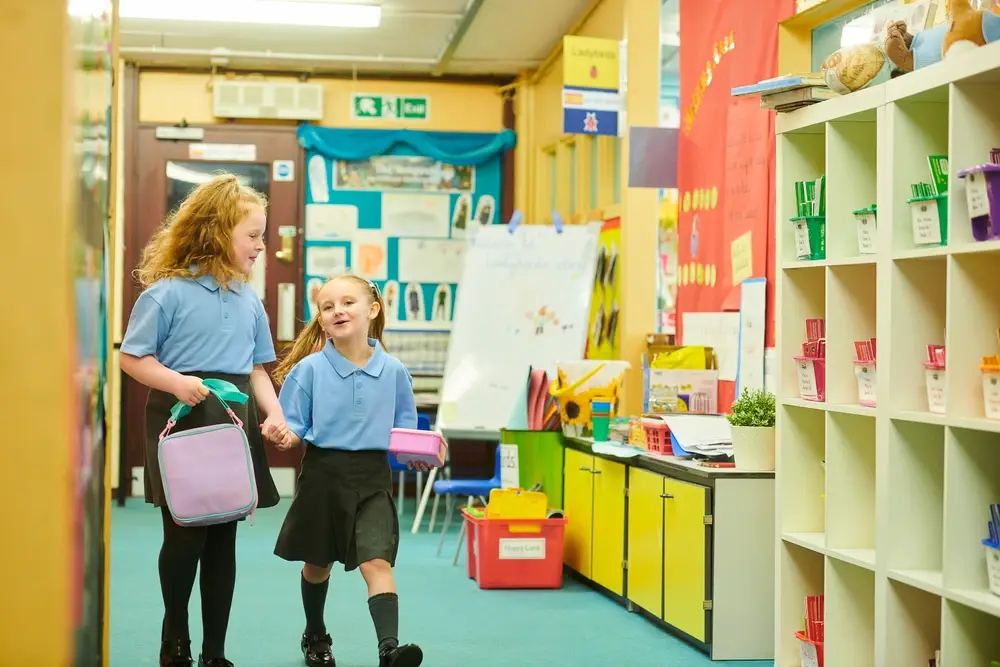
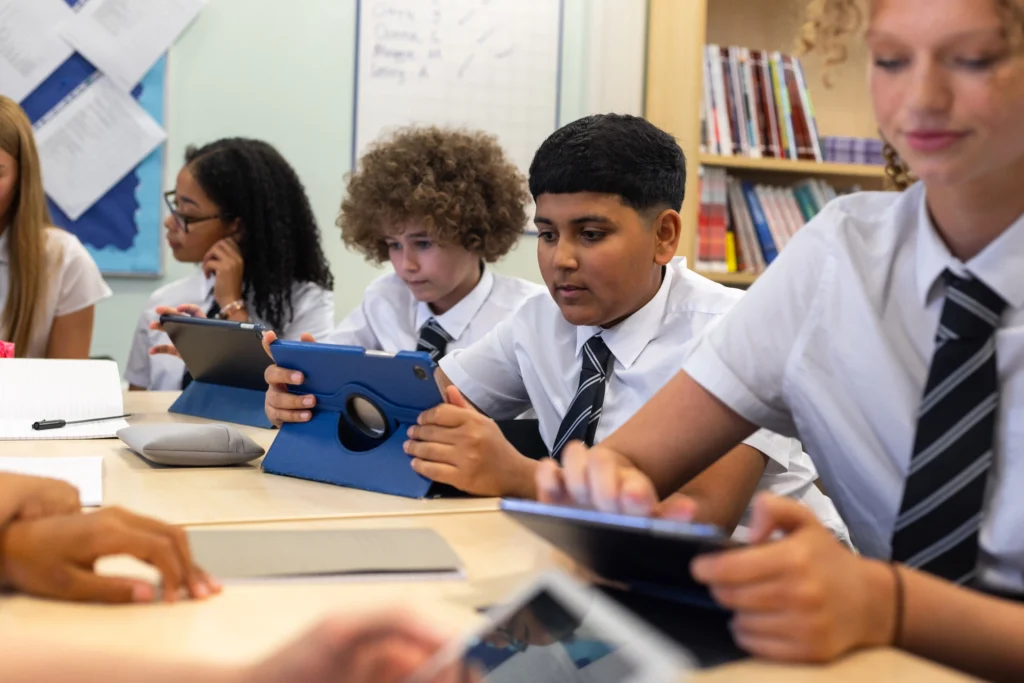

The National Year of Reading aims to encourage children, young people and adults to ‘Go All In’ and reconnect people with the joy of reading. Last year, the percentage of children and young people who enjoy reading was its lowest in 20 years, with just 1 in 3 children and young people aged 8 to 18 saying that they enjoyed reading in their free time in 2025 (National Literacy Trust Annual Literacy Survey). As educators, our aim is to reverse this decline and improve reading attitudes and motivation. The question is how to accomplish this?
One of the first and most important steps is recognising the value of pupil voice. We need to consider how to engage children and young people in ways that foster agency in reading, rather than mere compliance. Understanding pupils’ reading attitudes is the first step.
In your setting, consider the following:
- Do the children/young people have the self-belief that they can achieve as a reader?
- Can they select and use reading materials to make reading meaningful and enjoyable?
- Ultimately do they have reading volition?
The use of pupil voice can become a forum in which to empower pupils to ‘lead their own learning’ (Robinson, 2014). When considering the reading in schools, we need to be mindful of how learners are being empowered and contributing to the books studied and shared across the totality of the curriculum beyond reading lessons. Are pupils enabled to exercise agency in shaping the text choices and having their voices heard? Evidence suggests that fostering learners’ agency enhances their ability to learn independently (Brown, 2009). Putting pupil voice at the heart of the reading curriculum and understanding the impact it has for self-efficacy and intrinsic motivation is crucial.
The Importance of Representation
The books available and shared in school should reflect the backgrounds and experiences of the pupils. The school reading offer should include books that act as mirrors, windows, and sliding doors—allowing pupils to broaden their perspectives. The value of gathering insights on pupils’ cultural backgrounds, lived experiences and representation needs to be considered within texts. Author Chimamanda Ngozi Adichie, in a 2009 TED Talk, highlights the issue of the single story and explains, “The single story creates stereotypes, and the problem with stereotypes is not that they are untrue, but that they are incomplete. They make one story become the only story.” Adichie points out, we must seek diverse perspectives and, in turn, writers must tell their own stories.
In what ways are children exposed to diverse perspectives and experiences? The author Katya Balen writes books that can become windows and mirrors that pupils can use to reflect on themselves or help them understand the experiences of others. Her book, The Space We’re In, explores themes of family, difference and belonging, offering readers a powerful lens through which to consider both their own identities and the perspectives of those around them. In what ways do we consider the needs and wants of our pupils when making book choices to ensure the reading offer reflects both their own lives and a broad range of perspectives?
Book Choice
Children should be part of the book choice process. In order to do this, consider how their reading preferences are identified. For example, for your current cohort, which of the following are the most popular and which are readily available for pupils to use:
- poetry, picture books, graphic novels, humour (including joke books), short stories, TV/film tie-ins, non-fiction, retellings of myths & legends, magazines, comic books and even the odd puzzle/activity book.
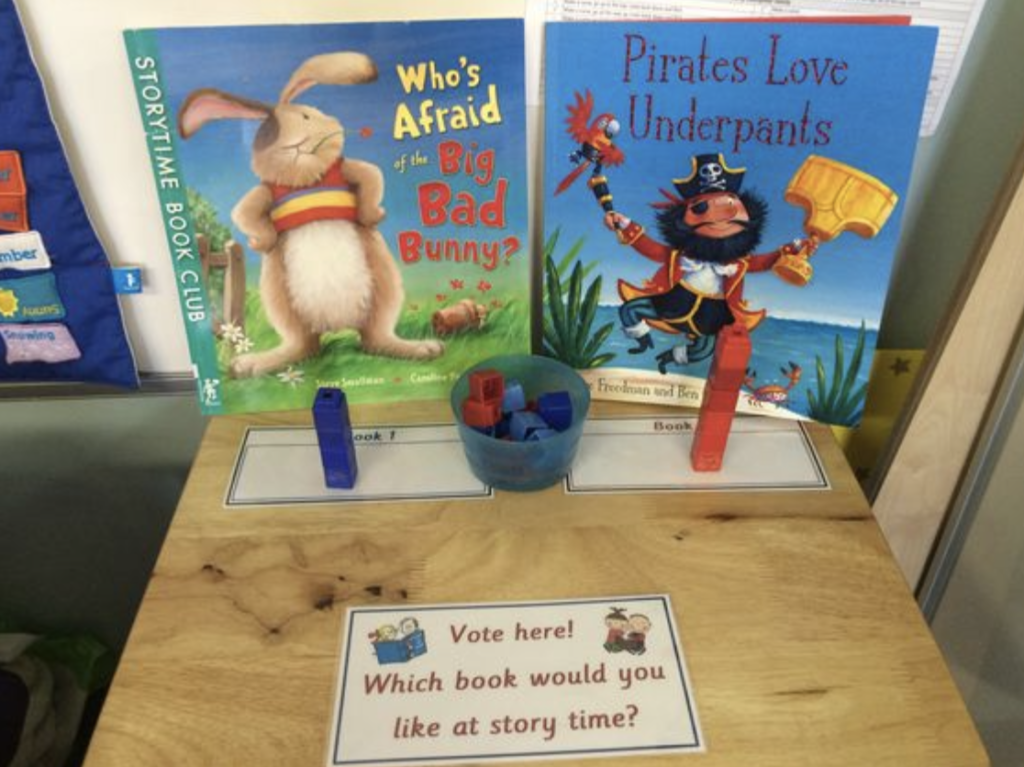
Book voting stations allow children to share their reading preferences. They also provide an opportunity for the class teacher/reading lead/ librarian to identify these and encourage children to expand their reading repertoire to explore new and unfamiliar text types or genres. We can then enhance our offer while also being mindful of the representation and diversity that the children are reading to avoid the ‘single story’ problem previously identified.

When considering book choice, review the reading spine to identify opportunities for alternative versions of classics such as Oliver Twist to supplement the older texts. Rejuvenating the texts to reflect best releases and new texts coming out, keeps the reading offer up-to-date and relevant and a place enticing to be in and reflective of new trends. Alongside this, there is value in encouraging children to move beyond their reading comfort zones while maintaining enjoyment and choice, as well as in understanding how they engage with reading beyond the classroom through activities such as book clubs or informal discussions that help foster a sustained interest in reading.
Consideration should also be given to how parents and the wider community support reading, including the extent to which families are involved in shaping reading habits.
Think about whether children are actively involved in voting for their favourite books, giving them a meaningful role in shaping reading culture. Reading Champions can play a key part by reviewing new titles, exploring recommendations from organisations such as the Peters Children’s Book of the Year Award, and reflecting on whether they agree or disagree with shortlisted selections. Book awards provide a valuable starting point for discussion, helping to broaden children’s interests while also creating space for them to express their opinions, develop critical thinking, and feel that their voices are genuinely heard within the reading community.
The Reading Environment
Once consideration has been given to what they are reading, where are children reading? How is the child’s opinion sought for this? Use pupil feedback to shape reading environments and classroom culture.
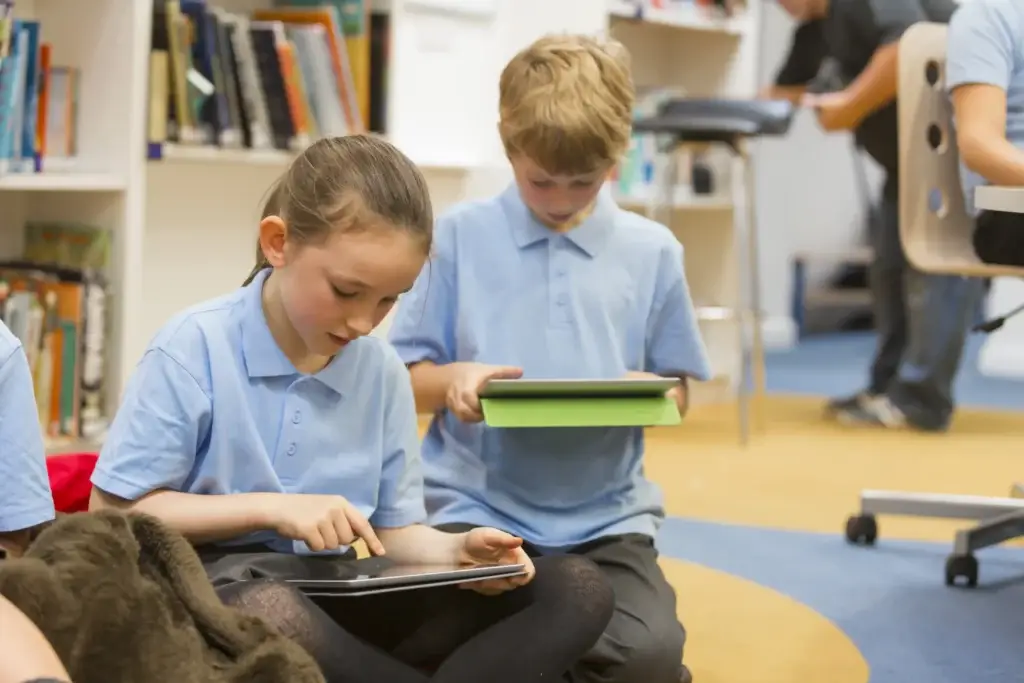
This approach moves beyond simply deciding where reading takes place, instead creating intentional and engaging environments that draw pupils in. We do not choose to read for pleasure at a desk. By simply incorporating cosy elements such as blankets and cushions, reading becomes a more immersive and comfortable experience. Opportunities to share texts in small groups, such as trios, encourage discussion and connection, while also helping pupils see reading in a more social and enjoyable light. Crucially, it reframes reading as a personal and meaningful experience rather than a task, supporting pupil agency through choice and ownership. Alongside this, a strong reading culture is developed by valuing a range of formats, including the thoughtful integration of digital options to widen access and appeal.
Attention should be given to how reading spaces such as libraries within school are organised and used. If a library is simply a place children pass without engaging, it may serve as a key starting point for change; the way books are displayed, the presence of a clear and inviting structure, and the level of support available to help children choose texts all play an important role. Placing children at the centre of these decisions, including involving them in how books are arranged or presented, can increase engagement and ownership.
How a library can demonstrate pupil agency and voice
Developing a richer reading culture involves broadening pupils’ reading diets through shared reading in class, particularly with older children, while also creating genuine pupil agency through approaches such as library wishlists and offering parents opportunities to purchase and donate books to the school.
The library can provide a valuable insight into children’s reading habits and areas to consider. Which books are being taken out most frequently? Are the books representative of the children’s interests? Are those books being bought in?
Some schools may have a librarian to support this, however if there is no librarian consider how to create pupil librarians or Reading Champions to support sharing ideas of what to read and using that data the library creates to identify types of books that are popular.
Including pupils as Reading Champions allows children the responsibility for leading reading enjoyment through their input and most importantly through their voice. They can introduce ‘book hype’. Once a book starts to get swapped between a circle of friends, you will see the magic spark, you won’t be able to stop the whispers Dork Diaries brings. Enabling pupils to spend time chatting over football magazines or laughing over the funniest chapters of Diary of a Wimpy Kid is the key to enticing your most reluctant readers to enter the reading realm of discovery, triumph and belonging that you can then expand. Reading role models play an important part in supporting reluctant readers to develop intrinsic motivation for reading. Our previous blog on Reading for Pleasure in Secondary Schools looks into this in more detail.
If you’re looking to strengthen pupil voice in a way that is both meaningful and manageable, it’s using simple tools like short surveys, small focus groups and roles such as reading champions which can help you gather more representative and actionable feedback over time. The key is consistency – collecting pupil views regularly, looking for patterns and using what you find to inform real decisions. Starting doesn’t have to be complicated either, many schools begin with a straightforward Reading Attitudes (RA) survey that can be adapted to suit your context and used as a baseline for future comparison.
Please use this link to download our Reading Award pupil voice survey for Years 4-6.
Upcoming Webinar – Why Pupil Voice Matters in Reading
To continue supporting the Year of Reading, our free upcoming webinar will guide participants in understanding why pupil voice matters and how it influences reading motivation. National Year of Reading 2026 – Putting Pupil Voice at the Heart of Your Reading Curriculum
The webinar will guide participants through:
- Understanding why pupil voice matters and how it impacts reading motivation.
- The value of gathering insights on pupils’ cultural backgrounds, lived experiences and representation needs within texts.
- Using pupil feedback to shape text choices, reading environments, and classroom culture.
- Adapting provision across year groups, from early readers up to independent readers.
- Creating inclusive, responsive reading experiences that reflect diverse needs and interests.
- Including pupils as reading champions responsible for reading enjoyment through their input.
- Creating inclusive, responsive reading experiences that reflect diverse needs and interests.
By the end of the session, participants will leave with a toolkit of practical, immediately applicable approaches to strengthen their reading curriculum – ensuring pupils feel heard, valued, and empowered as readers.
In conclusion, the focus is on creating inclusive reading communities where all pupils see themselves as readers, feel their voices are valued and are empowered to engage with reading in ways that are meaningful to them.
To sign up for our free webinar please use this link or contact alice.pepper@oneeducation.co.uk for more information:
- National Year of Reading 2026 – Putting Pupil Voice at the Heart of Your Reading Curriculum
- Tuesday, 19th May
- 4.15pm -5.15pm
Visit our Literacy page to learn more about our services.