



As a play therapist, I often witness how deeply children’s emotional worlds are shaped by the complexities of their parental relationships. Family structures today are increasingly diverse; many children navigate networks of half-siblings, step-parents, and extended caregivers. These systems can provide connection and resilience but they may also bring confusion, rivalry, and emotional insecurity, especially when adult relationships are strained.
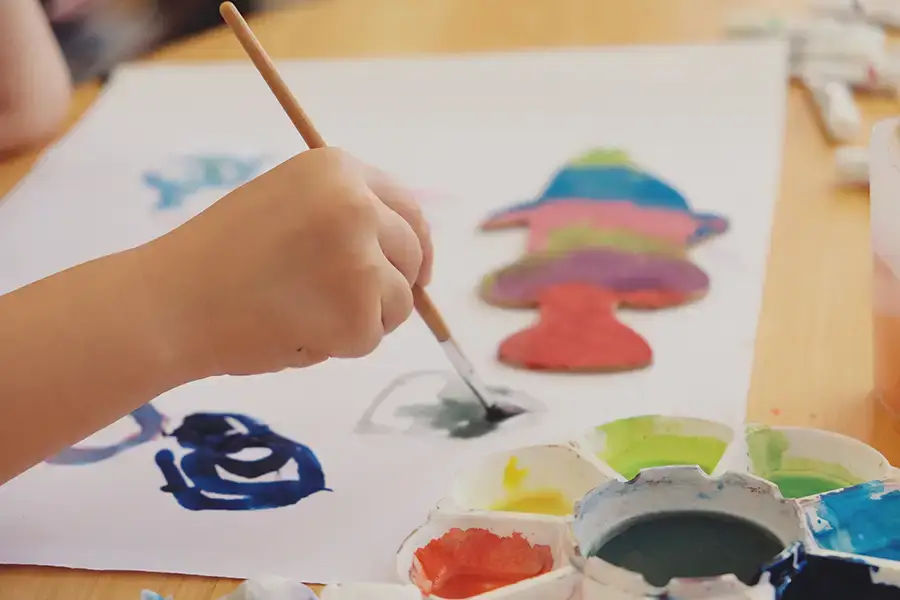
In the playroom, these experiences emerge through storytelling, role play, and symbolic games. Children use play to process the chaos or comfort in their lives, giving voice to their inner worlds in ways that words cannot always reach.
This leads me to a crucial question: Are we doing enough to prepare young people – our future parents, carers, and professionals – for the emotional realities of family life? Should our educational system be doing more to teach attachment, trauma, and intergenerational patterns before parenting begins?
We now know, through developments in epigenetics and prenatal psychology, that trauma doesn’t just affect the person directly experiencing it, it can impact the development of a baby in utero and ripple through generations. Stress during pregnancy, for example, can shape a foetus’s brain and nervous system, with long-term consequences for emotional regulation and behaviour.
Attachment, the deep emotional bond between child and caregiver, is fundamental to healthy development. Secure attachment supports resilience, emotional regulation, and the ability to form meaningful relationships. In contrast, insecure attachment can result in difficulties that echo throughout life. Disruption here is not always remembered cognitively but is stored in the body, influencing behaviour in subtle and sometimes dramatic ways.
I often hear the phrase, “He was only two, he won’t remember.” But as resources like Beacon House’s work on sensory memory show, children remember with their bodies. Sudden emotional outbursts, often described as “a switch being flicked,” are not random, they are expressions of unmet needs and stored stress, sometimes mistaken for conditions like ADHD.
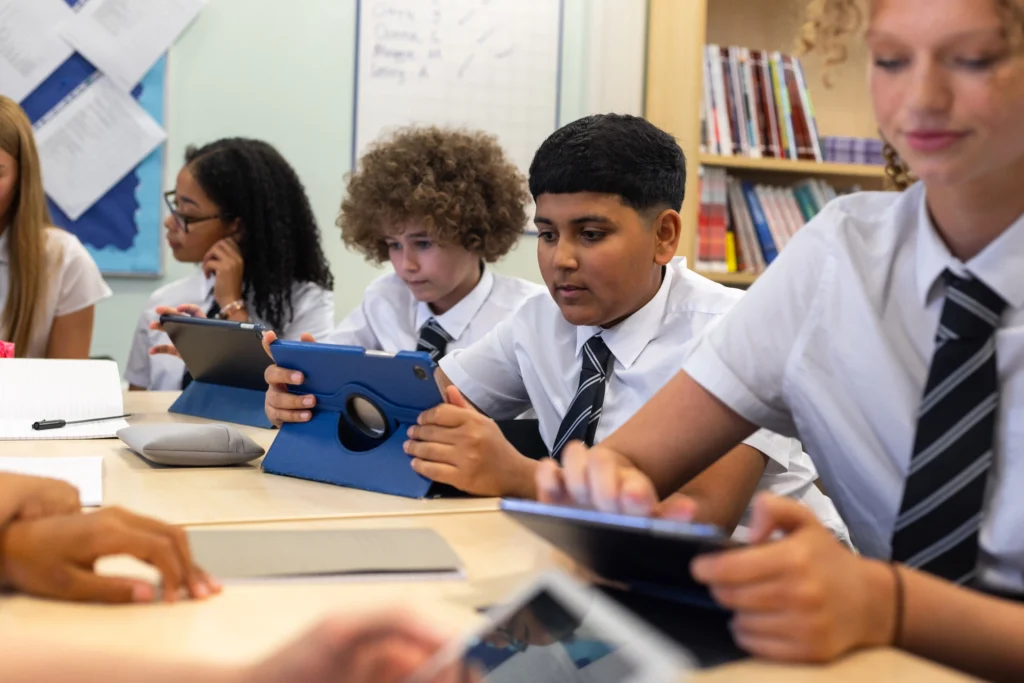
If we introduced the science of attachment, trauma, and intergenerational impact into secondary education, not just university courses in psychology or social care, we could equip the next generation with the tools to understand themselves, their families, and their future roles as parents or professionals.
This is not just about improving personal outcomes. It’s about breaking cycles, building compassion, and fostering a more emotionally literate society. Including these subjects in the curriculum is not simply a nice idea, it may well be essential in combatting the long-term issues surrounding mental health and wellbeing in our society as well as having a positive impact in terms of financial costs.
Our Creative Arts Therapies Team can deliver training, clinical supervision and reflective practice groups, helping you to raise awareness of attachment, trauma, and family complexity – and the impact of these issues on both students and staff.
Get in touch for more information.