




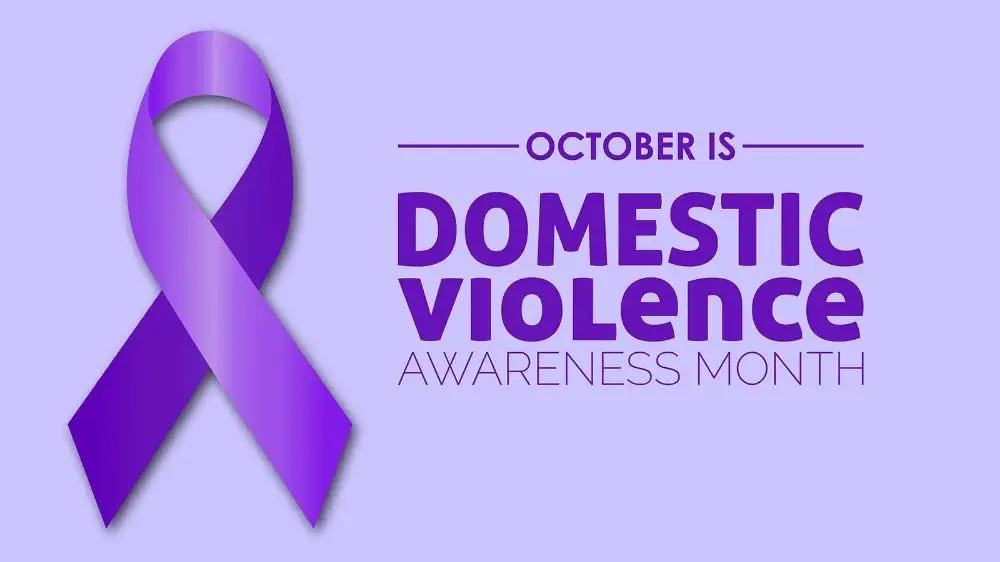

October marks Domestic Abuse Awareness Month, an opportunity to raise awareness, show support for victims and survivors, and promote action against all forms of domestic abuse.
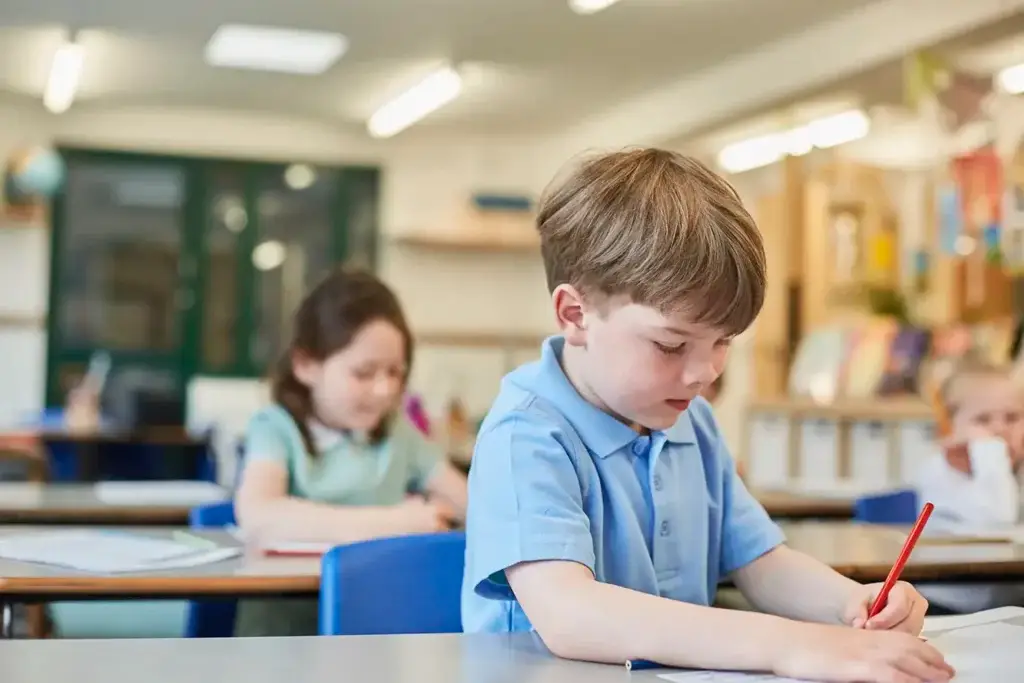
In the classroom, education professionals are often among the first to notice when a child is experiencing domestic abuse. The challenge is knowing how to recognise the signs and respond effectively to ensure every child receives the support they need.
What is Domestic Abuse?
The Domestic Abuse Act (2021) makes clear that domestic abuse is not limited to physical violence, but includes a wide range of harmful behaviours that a partner, ex-partner, or family member may use in order to control, intimidate, or harm someone.
The Act identifies the following behaviours as abuse:
- Physical or sexual abuse
- Violent or threatening behaviour
- Controlling or coercive behaviour
- Economic abuse
- Psychological, emotional, or other abuse
Children are recognised as victims of domestic abuse if they see, hear, or experience the effects of abuse – even if they are not directly harmed. The impact of any type of abuse can be profound and far-reaching, affecting a child’s mental health, emotional development, relationships and readiness to learn.
The Impact of Domestic Abuse on Children
Perpetrators of domestic abuse often rely on keeping victims in a state of chronic fear. This does not require physical violence to be used all the time, or even at all. Chronic fear emerges in response to a constant threat. Through intimidation – whether explicit or implied – abusers shift the burden onto victims to adapt their behaviour in an attempt to avoid conflict. Victims learn to walk through life on eggshells, ever vigilant for signs of danger.
For children, the impact can be particularly devastating. Experiencing childhood fear is a normal part of growing up. But living with chronic fear is entirely different, especially when the source of threat comes from a parent or primary caregiver. Children who have experienced domestic abuse can struggle with hypervigilance, self-doubt, and a pervasive expectation of punishment, shaping not just how they see themselves but how they see the world around them.
As a result, children can experience difficulties with forming relationships with peers and adults alike. Teachers and other professionals in positions of authority may be perceived not as sources of support, but as potential threats. This mistrust can create barriers to engagement and emotional recovery. The question then becomes: how can we equip professionals to recognise these dynamics and respond effectively?
From Raising Awareness to Taking Action
‘Domestic Abuse, Coercive Control and Children’ is a virtual training course designed for professionals in education, including safeguarding leads, psychologists and mental health professionals, pastoral staff and teachers.
Led by our highly skilled and experienced specialists, this course equips professionals to identify the often-subtle signs of domestic abuse and intervene to protect pupils and their families from further harm.
Participants have the opportunity to explore real-life scenarios, examine the latest research, and engage in reflective activities to deepen their understanding of domestic abuse and its impact on children’s learning, behaviour, and development.
Course Modules:
- Introduction to Domestic Abuse & Coercive Control
- Children and Young People’s Experiences of Domestic Abuse & Coercive Control
- The Impact on Education and Supporting Children, Young People & Families
This training has been developed by Senior Educational Psychologist, Abigail Sterne, and Safeguarding Training Consultant, Catherine Lawler – joint authors of Helping Children Learn About Domestic Abuse and Coercive Control: A ‘Floss and the Boss’ Storybook and Professional Guide (2021, Routledge) and Domestic Violence and Children: A handbook for schools and early years settings (2010, Routledge).
To learn more about our Educational Psychology services, please explore our website or get in touch.