













In recent years, many schools have embraced the language of being trauma-informed. This reflects care, curiosity, and a genuine desire to do better by vulnerable children.
But there is a growing gap between trauma-informed intentions and trauma-aware practice.
A single training session, a policy document, or a shared vocabulary does not, on its own, make a setting trauma informed. Instead, becoming trauma-aware is an ongoing process that requires professionals to reflect on how their actions may impact others, learn from their experiences, and adapt their practice over time.
Regulation is not comfort
One of the most common misunderstandings in schools is the difference between regulation and soothing.
Soothing is often instinctive like a hug, physical closeness, reassurance. Regulation, on the other hand, is about helping a child develop the capacity to manage arousal, boundaries, and safety over time.
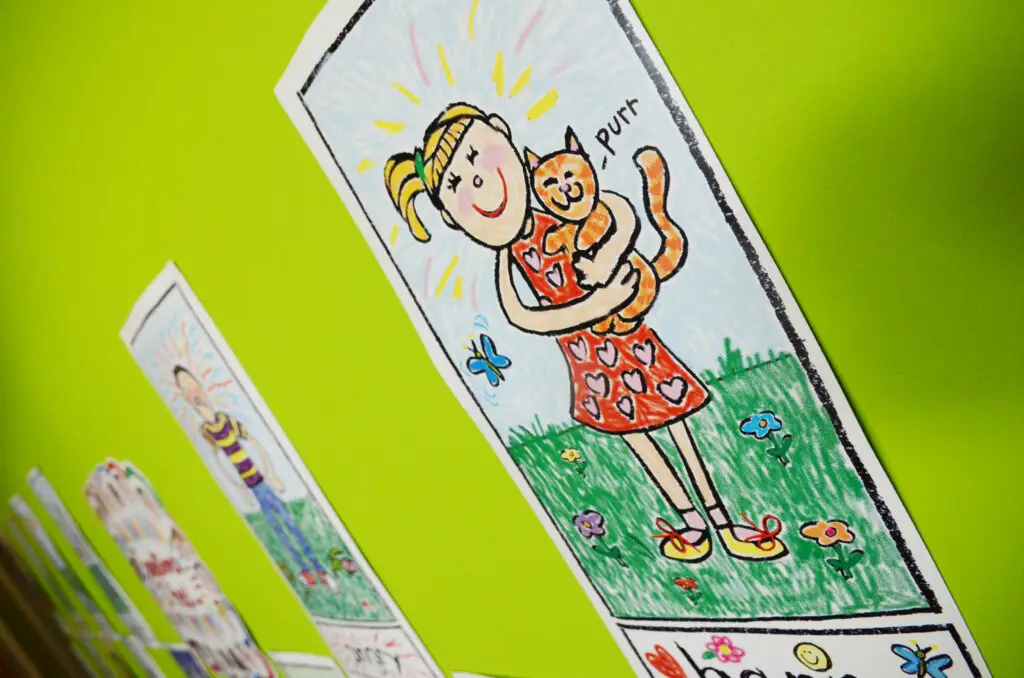
For many children, it can be soothing to receive a hug, a smile, or a moment of special attention from a trusted adult. But for some vulnerable children – particularly those with histories of trauma, neglect, or disrupted attachment – physical closeness can temporarily soothe whilst increasing long-term dysregulation and risk. Often these children have had to accept care where they can and not always from safe or known adults.
This is where good intentions can go astray.
When adults meet children’s needs through their own nervous systems
There is a quieter, more uncomfortable layer to trauma-informed work that is rarely spoken about in schools.
Adults also have nervous systems. Adults also carry histories. And many adults working with vulnerable children have never been invited to reflect on their own adverse experiences, attachment patterns, or relational triggers.
Without this reflection, it is easy, and human, for adults to:
- Feel pulled to rescue certain children
- Respond physically when a child’s distress activates something familiar
- Experience closeness as reassuring for themselves as well as the child
None of these actions make someone a bad professional. It makes them a human who is working without enough support.
The risk of acting out through care
When adults react to a situation based on unexamined emotions rather than taking the time to reflect, their actions become unconscious rather than intentional.
This might look like:
- Offering more physical contact to one child than others
- Loosening boundaries “because this child has been through a lot”
- Feeling special or needed in the relationship
These dynamics are subtle, rarely intentional, and often invisible to the adults involved. Yet, they are highly visible to vulnerable children, who are experts in reading emotional availability.
Why this matters for safeguarding
From a safeguarding perspective, children who show reduced boundary awareness are already at increased risk. When practitioners respond inconsistently, or model blurred boundaries, we may unintentionally teach children that:
- Safety is linked to physical closeness
- Adults are interchangeable sources of comfort
- Boundaries depend on feelings rather than rules
This is not trauma-informed practice; it is trauma-adjacent practice. Whilst coming from a place of care, nevertheless this can have a negative impact upon children’s emotional development and boundary awareness.
What deeper trauma awareness asks of schools
Moving beyond surface level trauma-informed practice is essential to ensure care is considered, consistent, and genuinely supportive of children’s long-term development. This requires:
- Ongoing reflective spaces for staff, not just training
- Permission for adults to notice their own emotional responses without shame
- A shared understanding that warmth must sit alongside boundaries
- Leadership that models reflection, not just compliance
Ultimately, trauma-informed practice is not about being more nurturing, it is about being more conscious.
A final thought on trauma-informed practice
Most staff working with vulnerable children are doing their best in complex systems under immense pressure. This is not a critique of commitment – but it is an invitation to go deeper. Until we raise awareness of our own nervous systems, trauma-informed practice will remain incomplete and, as a result, insufficient. By becoming truly trauma aware, we can ensure that the most vulnerable children in our care will receive the support they need to grow beyond their own difficult experiences.
Explore our Creative Psychotherapy in Education service for further advice and support.