













The recent Tes article reflecting on the SEND White Paper, “Schools need ‘ecosystem’ of experts for inclusion drive, DfE told” (22 January 2026), captures a message that schools, particularly across Greater Manchester, have been voicing for some time: inclusion cannot be delivered by schools alone.
Following a series of public engagement events on the government’s upcoming SEND reforms, the Council for Disabled Children highlighted what many school leaders already know from experience. Children’s needs are increasingly complex, intersecting education, health, safeguarding, attendance, and mental health. Expecting schools to meet these needs in isolation is neither realistic nor sustainable.
As the article notes, schools are asking for wraparound partnership, timely access to speech and language therapy, mental health support, and specialist advice, alongside training that genuinely equips staff to understand and respond to need. Crucially, the message to government was clear: inclusion depends on an ecosystem of multi-agency expertise, not piecemeal interventions or delayed referrals.
This context is particularly relevant in Greater Manchester, where pressures on health services, CAMHS thresholds, and specialist provision mean that schools are often holding needs that sit beyond their statutory role. Teachers and SENCOs routinely report feeling isolated, despite their commitment to inclusion, because the support required sits across systems that do not always align or respond quickly enough.
At One Education, this “ecosystem” approach is not aspirational; it is already embedded in practice.
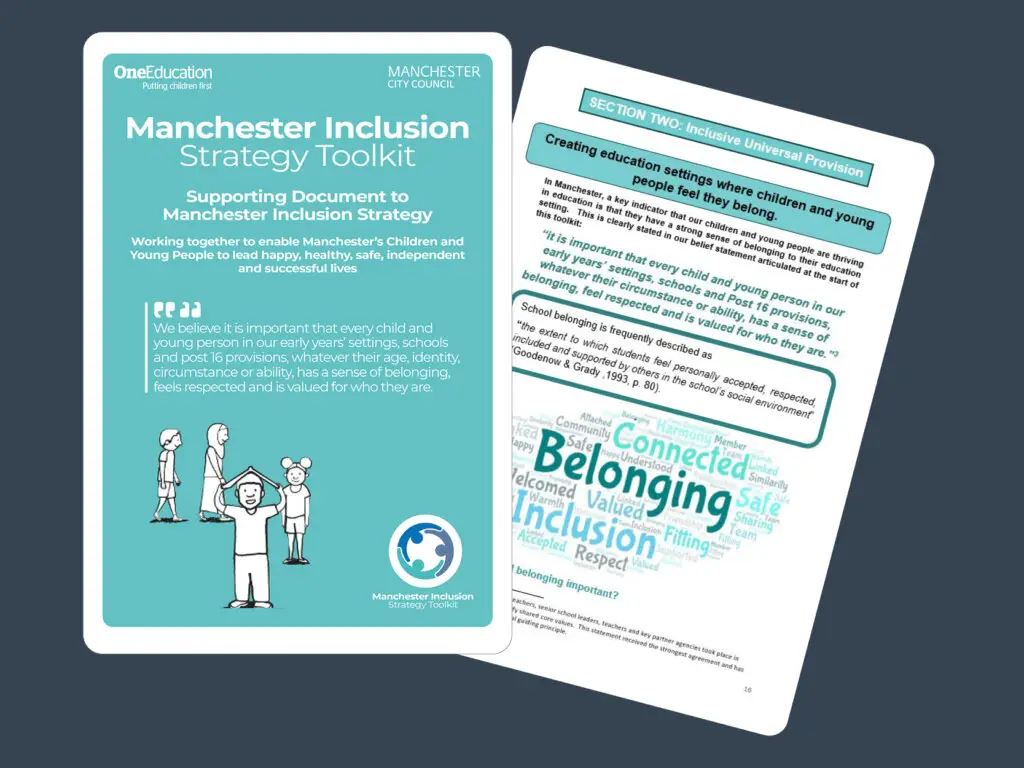
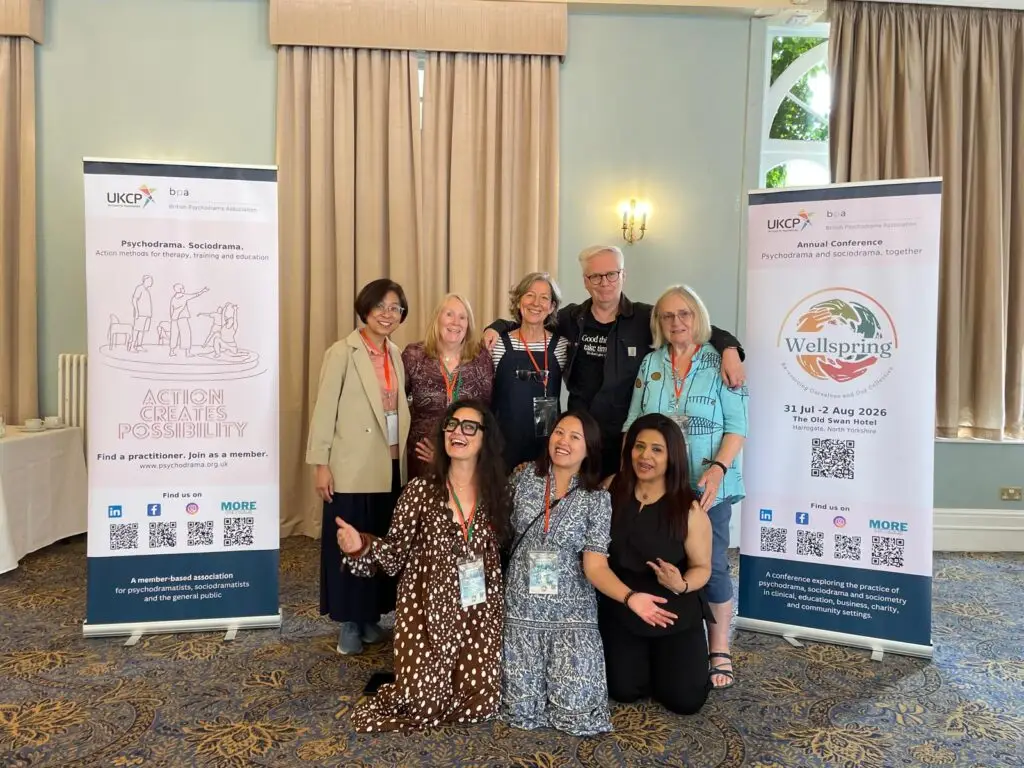
Working across Greater Manchester local authorities, we bring together creative arts psychotherapists, educational psychologists, speech and language therapists, and specialist teams with expertise in attendance, emotional wellbeing, safeguarding, and complex vulnerability. This allows us to respond to need in a joined-up way, supporting not only individual children and young people, but also the adults and systems around them.
The Tes article also welcomes the government’s announcement of £200 million for SEND and inclusion training. Training is vital, but schools consistently tell us it is most effective when paired with ongoing consultation, reflective spaces, and access to specialist intervention. Knowledge alone does not hold risk; relationships, shared responsibility, and timely support do.
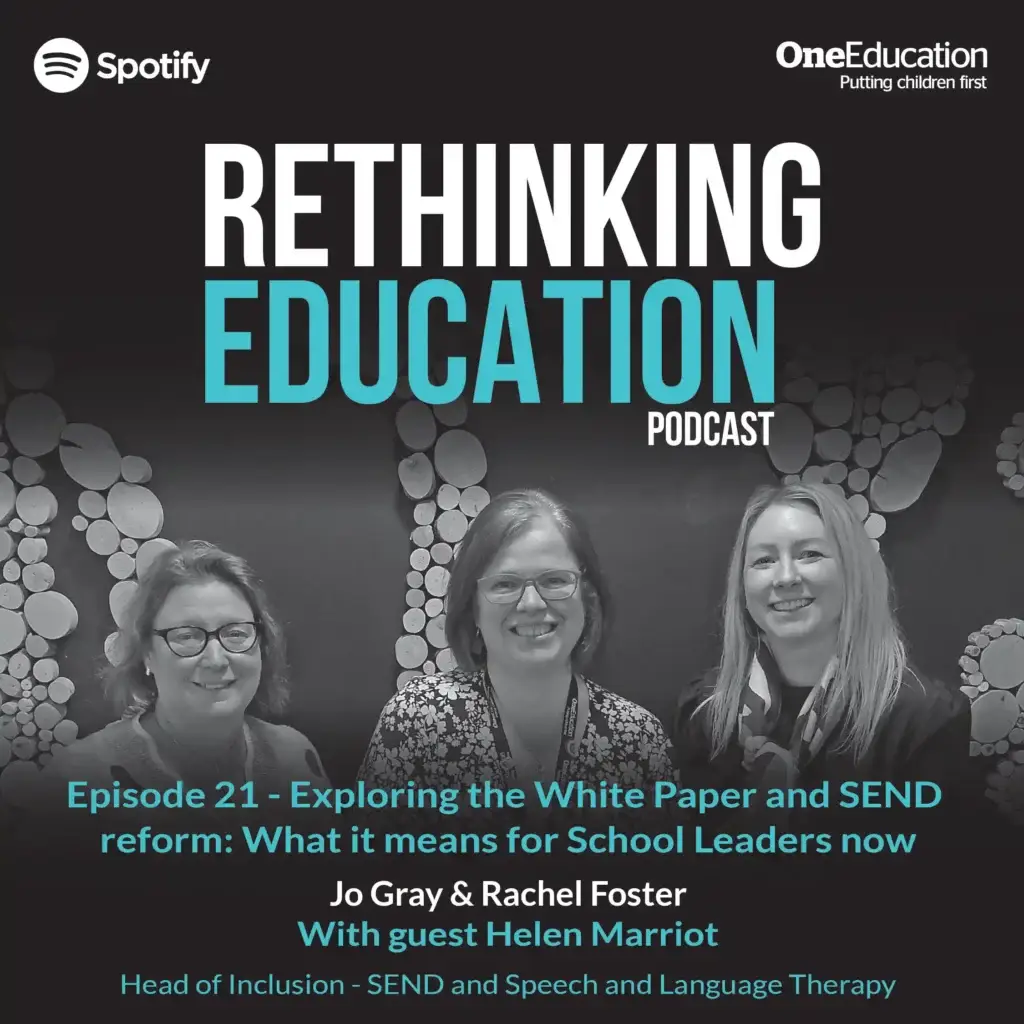
As we move towards the publication of the new SEND White Paper, the challenge for policymakers will be ensuring that reform translates into practice at local level. Education, health and care plans will remain essential for children whose needs exceed universal provision. However, experience across Greater Manchester shows that strong, place-based, multi-agency working upstream can reduce escalation, support inclusion, and prevent families and schools reaching crisis point.
The message from the Tes article is timely and clear: inclusion is not the responsibility of one profession or one system. If the forthcoming reforms within the SEND White Paper are to succeed, schools must be held within a confident, well-resourced local ecosystem, one that shares expertise, builds capacity, and makes specialist support available when it is needed, not when thresholds are finally met.
Explore our Creative Psychotherapy, Educational Psychology and SEND services to find out how we can support your learners.